
24/7 Customer Support

Free returns

Same-day & Next-day Delivery

Quality Guaranteed

Unlock Your Welcome Offers: FREE Delivery | Up to 80% OFF | Free 30-day JoyPlus trial
Download the APP
Buying drinks online in the UK can be more convenient than carrying bottles home, but product pages do not always make comparisons straightforward. A large bottle may appear cheaper until you check dilution instructions, while “no added sugar” does not necessarily mean the drink contains no sweeteners. Alcoholic drinks also require closer attention to ABV, serving size and age restrictions.
This guide explains the main details to check before ordering fruit squash, juice drinks, soft drinks, party drinks or cocktail liqueurs online.
A 1L bottle of concentrated juice drinks may provide many glasses, but the final yield depends on the recommended dilution. Check whether the instructions suggest one part squash to four parts water, and compare the approximate number of finished servings rather than the bottle price alone.
Multipack drinks can also look economical, but only when the individual carton or bottle size suits your household. A 12-pack of 250ml drinks may be useful for packed lunches, whereas larger bottles may work better for family meals.
No added sugar squash can still contain naturally occurring sugars from fruit juice. It may also use sweeteners such as aspartame, acesulfame K, saccharin or sucralose. Read the ingredient list and nutrition panel, particularly if you are buying for children or someone with a sensitivity to specific ingredients.
Some products also contain a source of phenylalanine, while sulphites may be listed as an allergen. These details are easy to miss in promotional descriptions.
Colourful bottles and familiar cocktail associations do not tell you how strong a drink is. Compare ABV, alcohol units and serving size before buying cocktail liqueurs or other alcoholic drinks. A 70cl bottle at 15% ABV contains a different amount of alcohol from a 70cl bottle at 40% ABV, even if both are intended for mixing.
Alcohol should only be purchased and consumed by people aged 18 or over. Never drink and drive, and do not consume alcohol during pregnancy.
For concentrated products, look for nutrition information as diluted, not only per 100ml of concentrate. Robinsons No Added Sugar Orange Squash, for example, lists 3 calories per 250ml diluted serving, while the concentration and serving instructions explain how to prepare it.
Ribena concentrated products also provide dilution guidance. Ribena Concentrate Blackcurrant 850ml recommends 50ml of squash with at least 200ml of water for a 250ml serving. Always dilute according to the label and add extra water when serving young children, where the product instructions advise this.
A fruit squash may contain fruit juice from concentrate rather than fresh juice. This is not automatically a problem, but it is an important comparison point. Check:
For a barley-based option, Robinsons Fruit & Barley Pink Grapefruit contains refined barley flour, so it is not suitable for people avoiding barley.
Choose 1L bottles for everyday family drinks, cartons or small bottles for lunches and picnics, and six-bottle packs when you already know the flavour is suitable. Once opened, many squashes need refrigeration and should be consumed within a stated period, often 21 days or four weeks.
For alcoholic drinks, check the bottle volume, ABV and storage guidance. Pernod Aniseed Liqueur 70cl is listed at 40% ABV, while Sourz Cherry Liqueur 70cl is listed at 15% ABV. These products suit different mixing styles and drinking occasions.

Why This Fits Their Persona: A practical 1L option for shoppers starting a household drinks cupboard and wanting a sharp citrus flavour for everyday dilution.
The listing identifies 10% lemon juice from concentrate and provides diluted nutrition information, making it easier to compare with other no added sugar squash.
1L bottle; 10% lemon juice from concentrate; 5 calories per 250ml diluted serving.
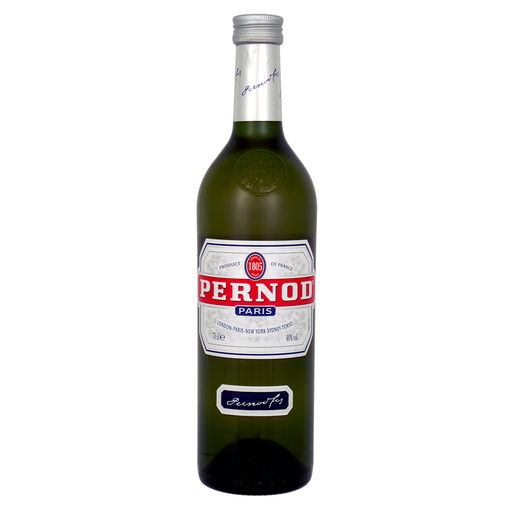
Why This Fits Their Persona: Suits home-bar shoppers looking for a distinctive herbal and star anise profile for mixed drinks or traditional serves.
The product information clearly states 40% ABV, 70cl volume and ingredients, so buyers can assess strength rather than relying on bottle design.
40% ABV; star anise-led herbal flavour; suitable for mixing with water, cola or fruit juice.
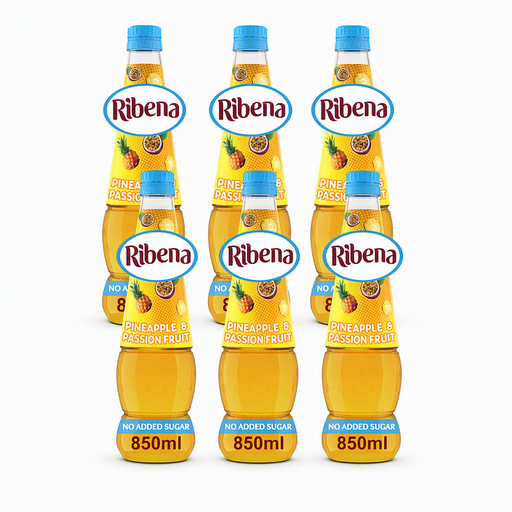
Why This Fits Their Persona: A six-bottle multipack fits busy households, regular family hydration and shoppers preparing for gatherings or summer occasions.
The pack quantity and 850ml bottle size are visible before purchase, while the listing states 10% fruit juice from concentrate and no added sugar.
Six 850ml bottles; pineapple and passion fruit flavour; 32mg vitamin C per 100ml listed.
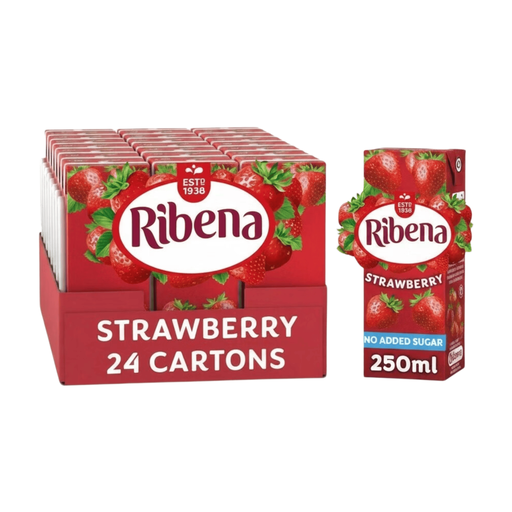
Why This Fits Their Persona: Individual cartons are convenient for packed lunches, picnics, barbecues and serving without measuring or diluting.
The 24 x 250ml format makes the total quantity clear and avoids the hidden preparation step associated with concentrated squash.
24 individual 250ml cartons; strawberry flavour; no added sugar and 4 calories per 100ml listed.
We have compiled a complete, real-time list of products that fully satisfy these strict selection criteria and UK safety regulations.
It depends on the product, delivery cost and pack size. Compare the price per litre, the number of finished servings and any delivery charges. Multipacks may reduce the cost per unit, but only if the quantity will be used before the recommended storage period.
The timeframe varies by product. Several concentrated squashes in this guide advise refrigeration after opening and consumption within 21 days or four weeks. Always follow the label on the bottle, as storage instructions can change between products.
Check the ABV, bottle volume, alcohol units, ingredients and age restriction. A 15% Sourz liqueur is not directly comparable with a 40% Pernod aniseed liqueur. Also consider whether the drink is intended for shots, cocktails, spritzes or dilution, and consume alcohol responsibly.