
24/7 Customer Support

Free returns

Same-day & Next-day Delivery

Quality Guaranteed

Unlock Your Welcome Offers: FREE Delivery | Up to 80% OFF | Free 30-day JoyPlus trial
Download the APP
Drinkware can look straightforward until a lid leaks into your work bag, a mug becomes uncomfortable to hold, or a “large” tumbler takes up most of your rucksack. UK shoppers need to compare more than colour and price, particularly when choosing between water bottles, travel mugs, glass cups and disposable paper cups.
The right option depends on where and how you drink. A commuter may prioritise a secure lid and compact shape, while a household hosting an event may need a large pack of disposable cups. Before buying, look beyond promotional wording and check the practical specifications.
Double-wall and vacuum insulation can help slow temperature change, but the result depends on the starting temperature, lid design, fill level and how often the container is opened. A product described as “thermal drinkware” should still be checked for its stated hot and cold retention times.
Also consider safety. Contents may remain very hot for longer than expected, particularly in stainless steel flasks and insulated tumblers. Follow the supplied instructions and check the temperature before drinking.
A secure lid is useful, but leak resistance depends on correctly fitted seals, a fully tightened cap and keeping the container upright where required. Straws and drinking spouts can also introduce additional openings that need regular cleaning.
If you carry a bottle in a handbag, backpack or gym bag, check the closure design, seal maintenance instructions and whether the product is intended for transport when filled.
A reusable cup is only convenient if all its parts can be cleaned properly. Removable silicone seals, straws and valves can retain residue if they are not taken apart and dried.
Glass cups may be dishwasher-safe but can still break if dropped. Disposable paper cups may be suitable for short-term serving but are not automatically recyclable or reusable. Check the material composition and disposal guidance instead of relying on broad environmental language.
Match capacity to the occasion:
Capacity is only part of the decision. Compare height and width with your car cup holder, desk space, backpack pockets or kitchen storage. A 1.2-litre travel tumbler, for example, offers more volume but may be less convenient for crowded public transport.
Stainless steel is commonly selected for reusable cups and hydration bottles because it is durable and resistant to corrosion. It is not normally microwave-safe, and some products advise against carbonated drinks.
Borosilicate glass is designed for heat resistance, but it remains vulnerable to impact. Double-wall glass cups can reduce exterior condensation and make the outside more comfortable to hold, yet they still need careful handling.
Paper cups with PE coating are designed for single use. They should not be microwaved unless the manufacturer specifically permits it, and condensation from cold drinks can soften the paper over time.
For all drinkware, look for clear food-contact material information, capacity, care instructions and warnings. BPA-free wording may be relevant for plastic or silicone components, but it does not replace checking the complete construction.
For portable drinkware, prioritise a lid that closes securely and a seal that can be inspected. Dishwasher-safe components can reduce daily effort, but check whether the entire product or only selected parts are dishwasher-safe.
Straws require particular attention. A silicone straw is convenient for cold drinks, but product instructions may advise against using it with very hot beverages. Clean and dry every removable part after use to reduce lingering odours and residue.
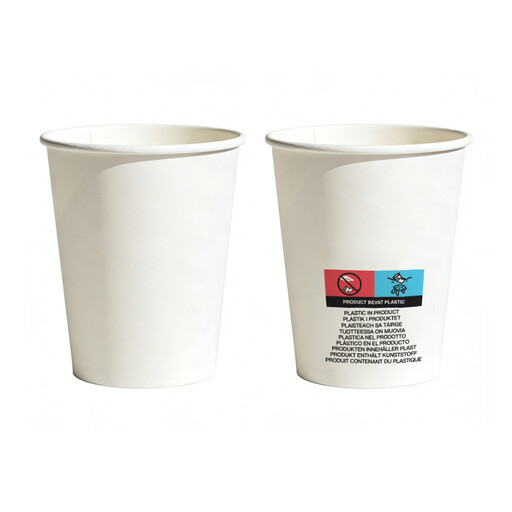
Why This Fits Their Persona: A 100-count pack suits home offices, parties, catering and occasional events where washing reusable cups is impractical.
The stated 220ml capacity and paper pulp with PE coating make its intended single-use serving role clear. It is not presented as a reusable or microwave-safe cup.
100 cups per pack; suitable for hot and cold drinks for short-term serving.
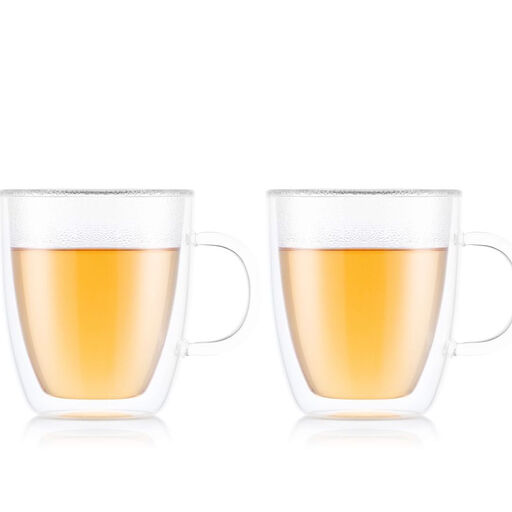
Why This Fits Their Persona: Suitable for coffee and tea drinkers who want a table-friendly pair for home use, including hot drinks and chilled desserts.
The listing identifies heat-resistant borosilicate glass, double-wall construction and specific care guidance, including careful handling around impacts.
Two 450ml mugs; dishwasher, microwave, freezer and oven safe up to 180°C according to the product information.
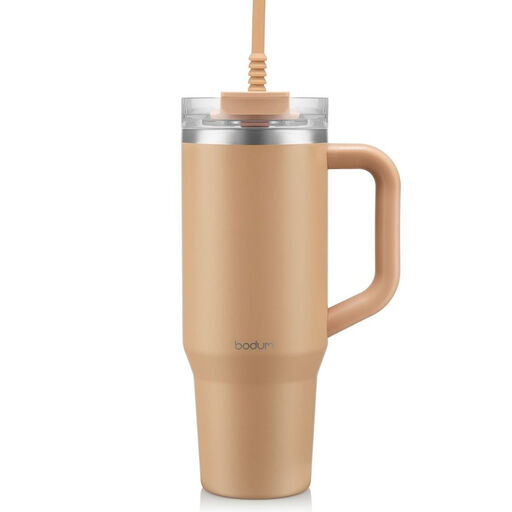
Why This Fits Their Persona: The 1.2-litre capacity is suited to gym sessions, longer commutes, holidays, dog walks and outdoor activities where frequent refilling is inconvenient.
Its capacity, dimensions and component materials are stated clearly. The instructions also warn that the silicone straw is not suitable for very hot drinks.
1.2-litre double-wall stainless steel construction; handle, lid, silicone straw and dishwasher-safe design.
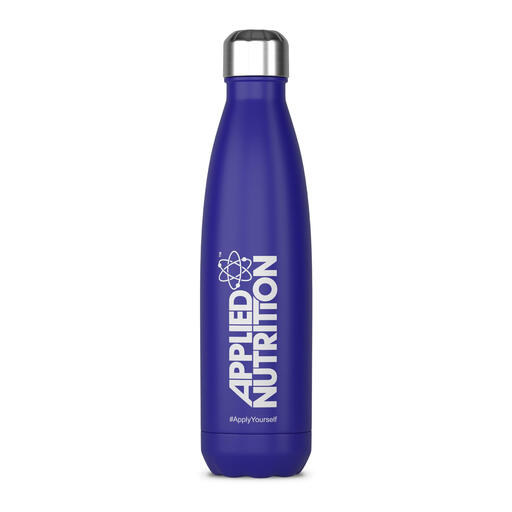
Why This Fits Their Persona: A compact 500ml flask can suit office workers, commuters, gym users and people who want a portable bottle for everyday hydration.
The product information specifies a 500ml size, leak-proof lid, dishwasher-safe construction and warnings against carbonated drinks and direct boiling water.
Stainless steel body; stated cold retention of up to 24 hours and hot retention of up to 12 hours.
We have compiled a complete, real-time list of products that fully satisfy these strict selection criteria and UK safety regulations.
Stainless steel is generally more practical for commuting, travel and outdoor use because it is less vulnerable to breakage. Glass can be preferable at home when you want to see the drink and enjoy a table-friendly design. Neither option removes the need to follow the manufacturer’s cleaning and temperature instructions.
Wash reusable cups, mugs and hydration bottles after every use where practical, especially when they contain milk, juice, smoothies or sweetened drinks. Take apart lids, seals and straws according to the care instructions, then dry the components thoroughly before reassembly.
They can be used for short-term cold-drink service, but condensation may soften the paper and affect stability over time. Check the product guidance, avoid prolonged storage of cold drinks and dispose of the cup appropriately after single use.