Shared-desk music makers
You need space for another person's work as well as your keyboard and music equipment. Check the monitor's footprint and whether each user can bring the screen into a central viewing position.


Start with the space you can give the screen: an adjustable 27-inch monitor suits a shared desk when both people need to reposition it, while a tall or ultrawide display makes sense only if its stand, width and viewing position fit. Choose resolution for the DAW windows you want visible, then check any USB-C charging or device-switching features against the computers you actually use. For long sessions, screen placement and breaks matter alongside the monitor's specifications.
You need space for another person's work as well as your keyboard and music equipment. Check the monitor's footprint and whether each user can bring the screen into a central viewing position.
You make drum patterns on a laptop and want to connect it at the desk without unnecessary cable changes. Check the exact computer and monitor connections before relying on USB-C charging or switching between devices.
You move between patterns, tracks and plug-ins for extended sessions. Usable window space matters, but so do a screen position you can adjust and a work routine that includes breaks or changes of activity.
Measure the shared desk before choosing a screen shape; then decide which DAW windows need to stay visible and which computers must connect.
| Concern | What to check | Who this matters to |
|---|---|---|
| Desk fit and adjustment | Measure usable width and depth, including room for music equipment and the other user. Check the stand footprint or clamp requirements and its adjustment range. | If we share the desk, I need to centre the screen without taking over the other person's space. Around 27% of consumers put desk fit and repositioning first. |
| DAW workspace | Compare horizontal and vertical resolution and decide whether your windows need width, height or a conventional layout. Check that your preferred interface scaling remains readable. | When I arrange a pattern, I want the timeline, editor and plug-ins to remain usable without constant window switching. Around 33% of consumers prioritise DAW workspace. |
| Connections and handover | Match the inputs and any USB-C charging level to your computer. For two devices, check how the monitor's keyboard-and-mouse switching works. | Switching between my laptop and another computer is easier if the connections suit both devices. Roughly 20% of consumers make that handover their primary concern. |
| Viewing position and reflections | Check whether you can position the screen centrally at a suitable height and distance. Consider the screen surface and room lighting, as well as breaks. | During a long session, I need a screen I can position comfortably without distracting reflections. For around 20% of consumers, that viewing setup comes first. |
A wide screen needs room across the desk; a clamp-mounted tall screen needs a suitable desk edge. Neither fit follows from the diagonal measurement alone.
Measure width, depth and rear-edge clearance with speakers, controllers, the laptop and the other person's work area in place. Compare those measurements with the exact monitor and stand dimensions.
A USB-C socket alone does not establish which display, charging and peripheral functions will work with your computer.
Check your laptop's video output and charging needs, the monitor's port diagram and, if you use two computers, its switching connections.
Resolution affects the available image detail, but screen shape, interface scaling and where the panel sits also affect how you use a DAW at a shared desk.
Plan the windows you need visible, then check their readability at your intended scaling. The Health and Safety Executive advises placing the top of the screen around eye level and the screen about an arm's length away.
Monitor audio varies by model: Dell lists no audio for the U2725QE, while Samsung lists built-in speakers for the S95UC. Neither specification determines how you should monitor your music.
Check the exact display specification, and plan your headphones, audio interface or studio monitors as a separate part of the setup.
These named model lines illustrate different screen shapes and connection options; compare the exact model rather than assuming a feature applies across a brand.
Dell's UltraSharp U2724D and U2725QE are conventional 27-inch options to consider when screen adjustment matters at a shared desk.
The 28MQ780-B DualUp is a reference point if vertically stacked windows and a clamp stand appeal more than a wide timeline.
Samsung's ViewFinity models offer contrasting approaches: a high-density 27-inch screen or a much wider multi-window display.
These monitors are choices to examine if you want a conventional screen for sequencing at a shared desk. Measure the complete monitor-and-stand setup and check connections for your computer before choosing.
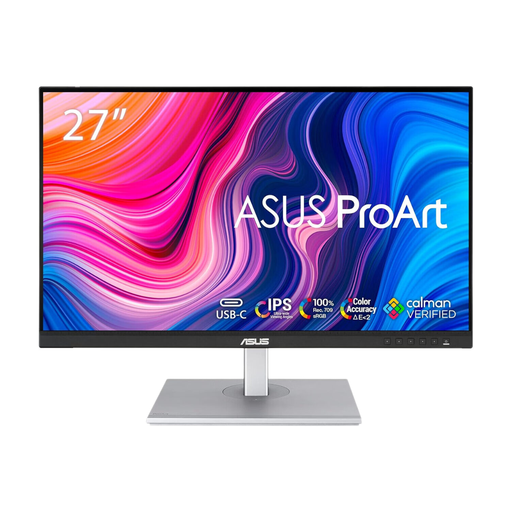 No image available
Consider this QHD screen for a conventional DAW layout. Its name specifies an IPS panel and 100 Hz refresh rate; check the stand's adjustment range and the exact regional variant's USB-C connections if laptop charging or a single-cable setup matters.
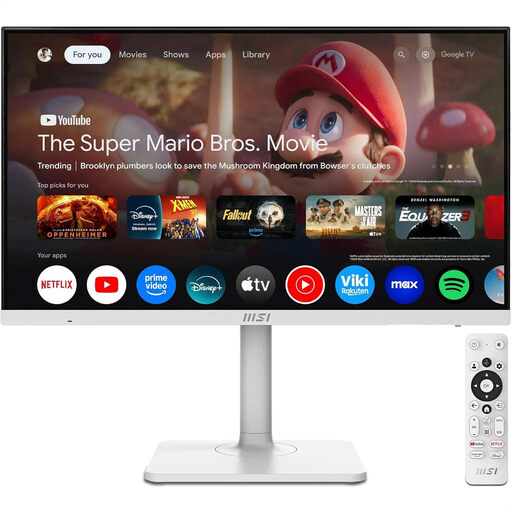 No image available
Consider this 27-inch 4K model if a conventional screen and laptop connection are priorities. The title names USB-C 65 W and Multi Control; confirm the delivered variant, your computer's USB-C display support and whether 65 W meets its charging needs.
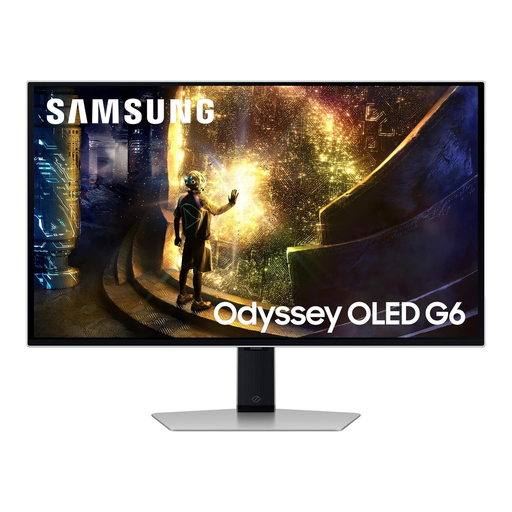 No image available
This 27-inch QHD model offers a conventional screen shape for a DAW layout. Its name specifies an OLED panel and 240 Hz refresh rate; if laptop charging or switching peripherals between computers is important, check those functions separately before purchase.
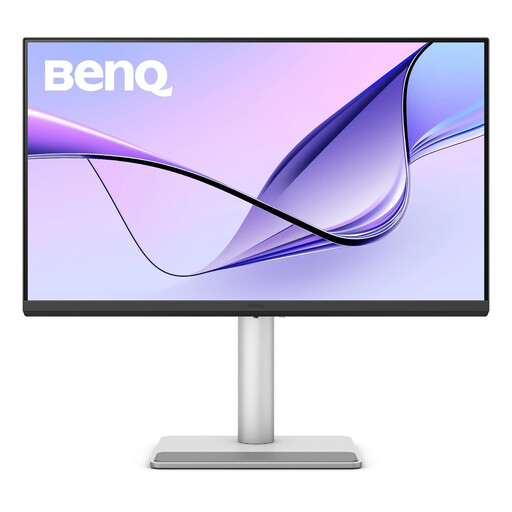 No image available
Consider this 4K screen if its Mac-focused setup and height-adjustable stand fit your desk. The name also specifies USB-C and a Nano Glossy surface; check computer compatibility and charging requirements, and consider reflections in your intended room.
 No image available
Consider this 27-inch 4K model for a conventional DAW workspace. The name specifies a 60 Hz IPS display, built-in speakers, HDMI and DisplayPort; confirm the exact input configuration and whether its positioning adjustments meet both desk users' needs.
Position it directly in front of the person using it, with the screen and keyboard central. The Health and Safety Executive advises placing the top of the screen around eye level and the screen about an arm's length away; at a shared desk, check that both users can restore a suitable position.
No. A matte finish or adjustable stand can help you address particular lighting or placement needs, but it does not replace breaks or changes of activity. The Health and Safety Executive advises employers to plan those changes for workers covered by display-screen-equipment rules.
No particular screen size follows from that guidance. The Health and Safety Executive says employers must assess workstations for workers who use display-screen equipment daily as part of normal work for continuous periods of an hour or more; a private monitor purchase does not, by itself, establish that those employment conditions apply.