
24/7 Customer Support

Free returns

Same-day & Next-day Delivery

Quality Guaranteed

Unlock Your Welcome Offers: FREE Delivery | Up to 80% OFF | Free 30-day JoyPlus trial
Download the APP
As a cat owner, navigating the aisles of dry cat food can feel overwhelming. With bags promising everything from shinier coats to perfect health, it's easy to fall for marketing hype. My role as a Joybuy Product Recommendation Officer is to help you see past the clutter and focus on what truly matters for your cat's nutrition. This guide will walk you through the common pitfalls to avoid and the key factors to consider, ensuring you choose a food that genuinely suits your feline companion.
Choosing the wrong food can lead to wasted money and more importantly, a diet that doesn't fully support your cat's needs. Here are three common traps to be aware of:
grain-free cat food is often marketed as a superior choice. While it's essential for cats with diagnosed grain allergies or sensitivities, many cats digest high-quality grains perfectly well. The absence of grains doesn't automatically make a food better. The focus should always be on the overall nutritional profile, especially the quality and quantity of the protein source, rather than just what has been left out.high protein cat food is crucial. However, not all protein is created equal. Watch out for vague terms like "meat and animal derivatives" high up on the ingredients list. This can be a catch-all for various animal parts of inconsistent quality. Look for foods that specify the protein source, such as "chicken," "duck meal" or "freshly prepared chicken," as one of the first ingredients.complete cat food, it must meet the nutritional guidelines set by FEDIAF (the European Pet Food Industry Federation). While this ensures a basic level of nutrients, it doesn't guarantee optimal quality. Two "complete" foods can have vastly different ingredient quality, digestibility and added functional ingredients like prebiotics or specific omega fatty acids.To make an informed choice, shift your focus from marketing claims to the information on the packaging. Here are the non-negotiables to analyse.
The ingredients are listed by weight, so the first few items make up the bulk of the food. For a good quality cat kibble, a named animal protein should be at the top.
This simple check helps you quickly assess whether the food is built around the high-quality animal protein your cat needs.
A cat's nutritional needs change dramatically throughout its life. Choosing a food tailored to their age is one of the most important decisions you can make.
senior cat food is typically lower in calories to prevent obesity and may contain ingredients like glucosamine and chondroitin for joint support. They are also often formulated to be more easily digestible for a cat food for sensitive stomachs.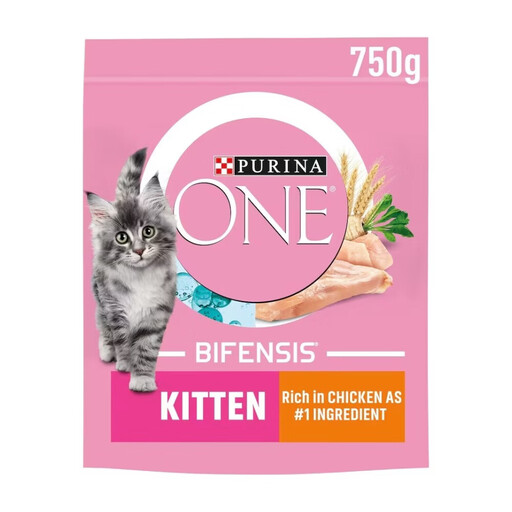
Why This Fits Their Persona: Ideal for those welcoming a new kitten and seeking a reliable, scientifically formulated diet to support crucial early development without needing to decipher complex boutique brands.
It avoids the "one-size-fits-all" trap by being specifically formulated for kittens. It provides the high protein (41%) and fat (20%) levels needed for growth, which an adult food would lack.
Contains DHA for brain development and heat-treated Lactobacillus, a gut flora stabiliser to support a young kitten's developing digestive and immune systems.
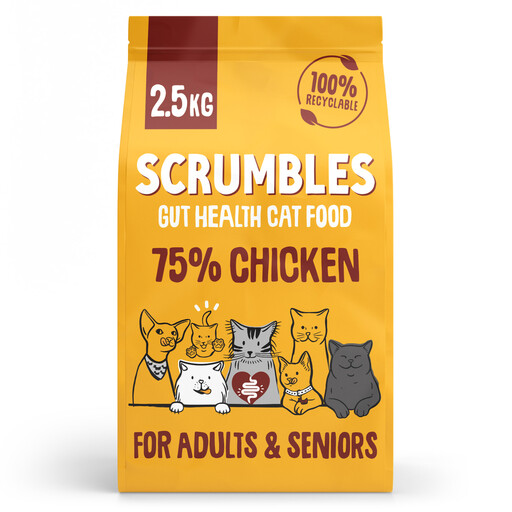
Why This Fits Their Persona: Perfect for the owner who prioritises ingredient transparency and high meat content. They are willing to invest in a premium food that focuses on natural, digestible ingredients for their adult cat.
This food directly counters the "vague protein" trap. The label clearly states 75% Chicken, broken down into dehydrated, freshly prepared and fat/stock, leaving no ambiguity about the primary ingredient.
Offers a very high crude protein level of 40%. It also includes salmon oil for omega fatty acids and dried cranberry, an ingredient often included for urinary tract health support.
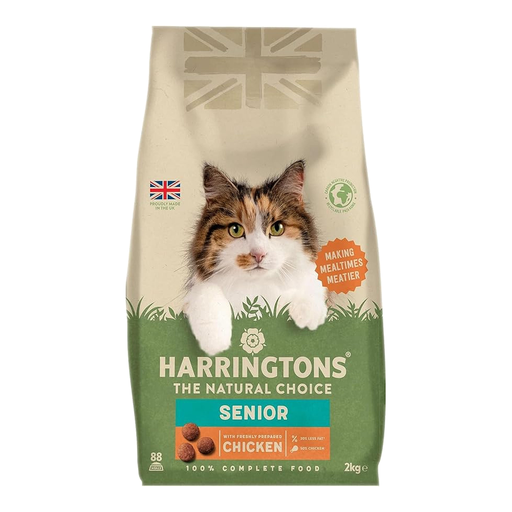
Why This Fits Their Persona: Designed for owners of cats aged 8+ who are looking for targeted nutritional support for common senior issues like joint stiffness and digestive sensitivity, all in one complete food.
It avoids the trap of feeding an adult cat food to a senior. This formula is specifically tailored with moderated fat (14%) and calories to suit a less active lifestyle, helping to manage weight.
Includes glucosamine (0.05%) and chondroitin (0.03%) for joint support. It is also a grain-free recipe, which can be beneficial for older cats with more sensitive digestive systems.
We have compiled a complete, real-time list of products that fully satisfy these strict selection criteria and UK safety regulations.
The correct portion size depends on the specific food's calorie content, as well as your cat's age, weight and activity level. Always start by consulting the feeding guide on the packaging. These are guidelines, so monitor your cat's body condition and adjust the amount up or down as needed to maintain a lean, healthy weight.
Yes, this is known as mixed feeding and is a popular choice. It can help increase your cat's overall water intake and add variety to their diet. If you do this, it's vital to reduce the portion of dry food to account for the calories from the wet food to prevent overfeeding. Check the packaging, as many brands provide guidance on how to combine their wet and dry foods.
To maintain freshness and prevent the food from becoming stale, store it in a cool, dry place. It is often recommended to keep the kibble in its original bag, as these are designed to protect the nutrients. Simply roll the top down and seal it with a clip. Alternatively, you can pour the food into a clean, airtight container. This protects it from moisture, air and pests.