
24/7 Customer Support

Free returns

Same-day & Next-day Delivery

Quality Guaranteed

Unlock Your Welcome Offers: FREE Delivery | Up to 80% OFF | Free 30-day JoyPlus trial
Download the APP
Navigating the aisles of dry cat food can feel overwhelming. With packaging covered in claims of "natural," "premium" and "scientifically formulated," it's difficult to know what your cat truly needs. As a cat owner, you want to provide nourishing food without falling for marketing hype that can be costly and, in some cases, unsuitable for your pet. This guide will help you identify common purchasing pitfalls and focus on the key factors that genuinely matter when selecting the right cat biscuits for your feline companion.
As the Joybuy Product Recommendation Officer, my role is to help you see past the clutter and make informed choices based on objective product facts and your cat's individual requirements.
Many well-intentioned owners are guided by persuasive marketing rather than a clear understanding of feline nutrition. Here are three common traps to be aware of:
To choose the right food, shift your focus from marketing claims to these three non-negotiable parameters.
A cat's nutritional needs change dramatically throughout its life. Feeding a food designed for the wrong life stage can impact their health and development.
Cats are obligate carnivores, meaning they must have animal-based protein in their diet to thrive. When examining a bag of cat biscuits, check two things:
If your cat has particular health concerns, a specialised diet can offer targeted support.
Based on these practical criteria, here are a few options tailored to different cat owner profiles.
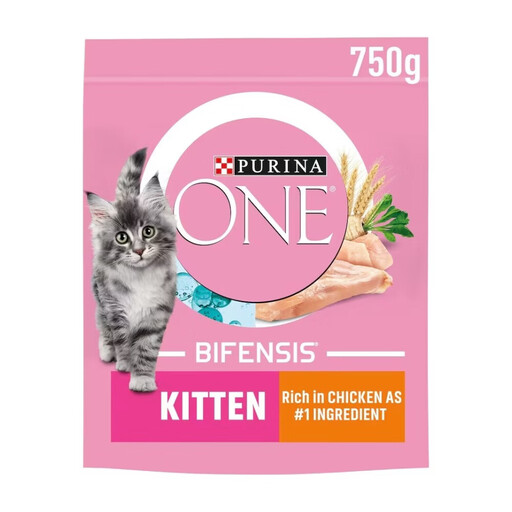
Why This Fits Their Persona: Ideal for UK owners bringing home a new kitten. This formula is specifically designed for the high-energy and developmental needs of a growing cat, providing peace of mind that their nutritional foundations are covered.
It's a complete cat food for kittens, ensuring you're not accidentally under-nourishing your new pet. Chicken is the #1 ingredient, avoiding vague "meat derivatives."
Contains DHA for brain and vision development and heat-treated lactobacillus to support natural defences. High protein (41%) fuels growth.
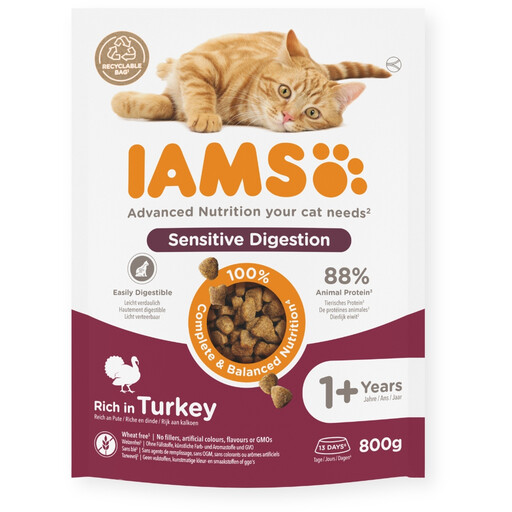
Why This Fits Their Persona: For the owner whose cat often has digestive upset. This formula focuses on highly digestible ingredients to be gentle on the stomach, helping to maintain digestive wellness without compromising on nutrition.
Instead of just being "grain-free," it uses rice, a highly digestible carbohydrate. It specifies turkey and chicken as protein sources, providing clarity over vague "meat" labels.
Contains prebiotics (FOS) and beet pulp to support healthy digestion. A high proportion of its protein (88%) comes from animal sources.
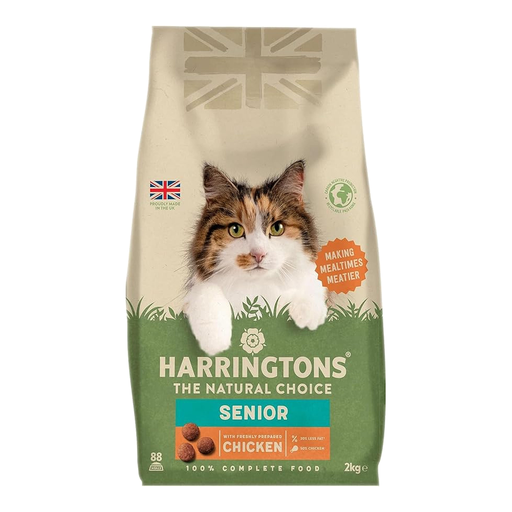
Why This Fits Their Persona: Perfect for owners of older cats who need more than just a standard adult diet. This food is tailored to support the common health concerns of ageing, such as joint stiffness and a slower metabolism.
This is a dedicated senior cat food, not a generic "all life stages" product. It addresses the specific nutritional needs of cats aged 7 and over, which differ significantly from those of younger adults.
Includes glucosamine and chondroitin sulphate to support joint health. It also contains salmon oil, a source of omega-3 fatty acids.
We have compiled a complete, real-time list of products that fully satisfy these strict selection criteria and UK safety regulations.
To avoid digestive upset, you should transition your cat to a new food gradually over 7-10 days. Start by mixing a small amount of the new food (around 25%) with their old food (75%). Every couple of days, increase the proportion of the new food while decreasing the old, until you have fully switched over.
The correct portion size depends on your cat's age, weight and activity level. Every bag of complete cat food will have a feeding guide on the packaging. Use this as a starting point and adjust as needed to maintain a lean, healthy body condition. It's often better to divide the daily amount into two separate meals.
A high-quality, complete dry cat food provides all the essential nutrients your cat needs to be healthy. Many owners choose to "mix-feed" with both wet and dry food. This can increase your cat's water intake and add variety to their diet. The most important factor is ensuring that the total amount of food fed does not lead to excessive weight gain. Always provide access to fresh, clean drinking water, especially if your cat primarily eats dry food.