
24/7 Customer Support

Free returns

Same-day & Next-day Delivery

Quality Guaranteed

Unlock Your Welcome Offers: FREE Delivery | Up to 80% OFF | Free 30-day JoyPlus trial
Download the APP
Navigating the aisles of dry cat food can feel overwhelming. With countless bags promising different benefits, it's easy to fall for marketing hype or choose a food that isn't quite right for your feline companion. As a cat owner in the UK, you want to provide a nutritious diet without overspending on features your cat may not need.
Before you make your next purchase, it helps to be aware of a few common pitfalls. Many owners find themselves confused by unclear labelling or paying a premium for trendy ingredients that offer little benefit to their specific pet.
grain free cat food is essential for cats with a diagnosed grain allergy or sensitivity, it is not a universal requirement for all felines. Many cats digest high-quality grains perfectly well, and these can be a good source of energy. The key is the overall quality and digestibility of the ingredients, not just the absence of grains.To ensure you're selecting a suitable cat kibble, focus on a few core parameters rather than just the brand name on the front of the bag.
A cat's nutritional needs change dramatically throughout its life. Feeding a food designed for the wrong life stage can lead to health issues.
kitten food, which are fortified with nutrients like DHA for brain and eye development.Senior cat food typically has fewer calories to prevent weight gain, along with added supplements like glucosamine for joint health and extra antioxidants.Cats are obligate carnivores, meaning they must have animal-based protein in their diet to thrive. When checking the ingredients list, look for a named meat or fish (e.g., Chicken, Salmon, Duck meal) listed as the primary ingredient. This is often a good indicator of a high-quality protein base. The overall protein percentage should be appropriate for your cat's age and activity level.
One non-negotiable ingredient in any complete dry cat food is Taurine. This is an essential amino acid that cats cannot produce in sufficient quantities on their own. A deficiency can lead to serious health problems, including heart conditions and vision loss. Always check that the food is fortified with taurine.
Based on these practical criteria, we've matched some options to different owner and cat profiles.
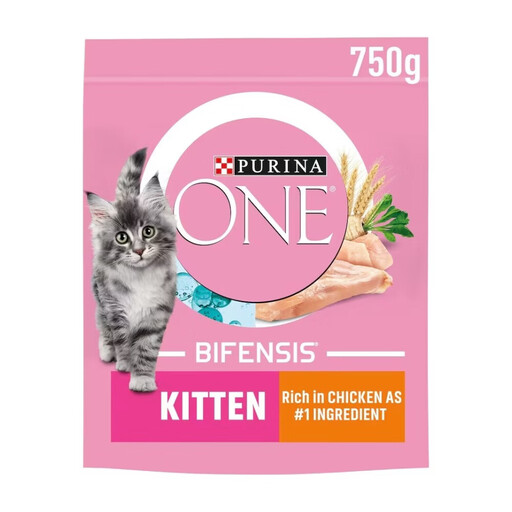
Why This Fits Their Persona: This formula is specifically designed for the high-energy and growth needs of kittens up to 12 months old. It provides the concentrated nutrition required during this critical life stage.
It is clearly labelled as a 'complete' food for kittens, ensuring they receive the correct balance of nutrients for development and avoiding the pitfall of feeding an adult formula too early.
Features a high protein content (41%) with chicken as the number one ingredient. It also contains DHA, a fatty acid found in mother's milk, important for brain and vision development.
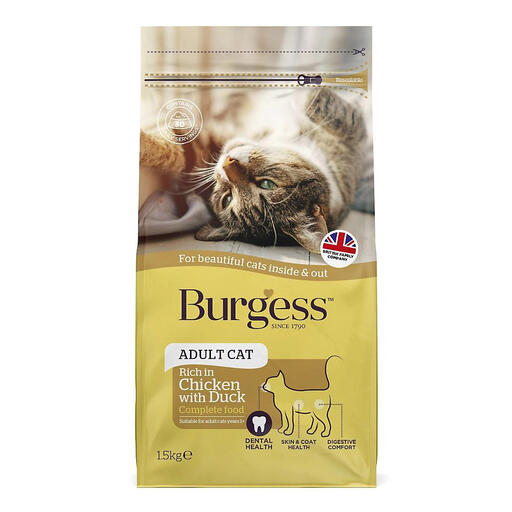
Why This Fits Their Persona: Ideal for owners seeking a premium, grain-free option for their adult cat, particularly if there are concerns about digestive sensitivities to common grains like wheat or corn.
This food avoids vague labelling by using specific protein sources (chicken meal and duck meal) and clearly stating it is a grain-free formula, replacing grains with sweet potato and peas.
Offers a high protein content (32%) from dual animal sources. The crunchy kibble also helps to reduce tartar build-up, supporting dental health.
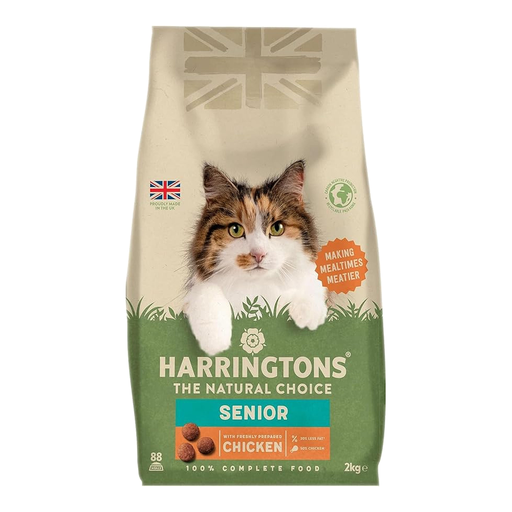
Why This Fits Their Persona: Perfectly suited for owners of cats aged 7 and over, this food addresses the common health concerns of ageing felines, such as joint stiffness and changing energy levels.
This is a purpose-built senior cat food, not a generic 'all life stages' product. It provides targeted nutrition, ensuring older cats get specific support rather than a one-size-fits-all diet.
Includes added glucosamine and chondroitin to help support joint health. It is also a grain-free recipe, which can be beneficial for older cats with more sensitive digestive systems.
We have compiled a complete, real-time list of products that fully satisfy these strict selection criteria and UK safety regulations.
To avoid digestive upset, transition your cat to a new food gradually over 7-10 days. Start by mixing a small amount of the new food (around 25%) with their old food (75%). Every couple of days, increase the proportion of the new food while decreasing the old until you have fully switched over.
The correct amount depends on your cat's age, weight and activity level. All complete dry cat food packaging includes a feeding guide with recommended daily portions. These are a good starting point, but you may need to adjust the amount to maintain a lean, healthy body condition for your cat. If you are unsure, it is always a good idea to consult your vet.
A high-quality, complete dry food provides all the nutrition your cat needs to be healthy. However, some owners choose to 'mix-feed' with both wet and dry food. Wet food has a high moisture content, which is great for hydration. If you choose to do this, be sure to adjust the portion sizes of both foods to avoid overfeeding and ensure your cat maintains a healthy weight. Always provide access to fresh, clean drinking water, especially if feeding a diet of only cat biscuits.