
24/7 Customer Support

Free returns

Same-day & Next-day Delivery

Quality Guaranteed

Unlock Your Welcome Offers: FREE Delivery | Up to 80% OFF | Free 30-day JoyPlus trial
Download the APP
Buying dry dog and cat food can seem straightforward until you compare life stages, ingredients, pack sizes and feeding claims. A colourful bag may highlight salmon, chicken, dental care or “natural” ingredients, yet still be unsuitable for your pet’s age or dietary needs.
For UK households, the safest approach is to start with the label rather than the front-of-pack marketing. The following checks can help you choose practical, appropriate food for adult dogs, senior pets, cats and multi-pet homes.
Not every dry food is designed to provide a sole daily diet. For example, Pedigree Dry Mixer Adult Small Dog 2kg is described as a complementary food intended to be fed with suitable wet food. It contains 18.5% protein and 7.9% fat, and its crunchy texture may complement a mixed-feeding routine, but it should not be treated as a complete meal on its own.
Look for the statutory wording “complete pet food” or “complete and balanced pet food” when you want a product that can form your pet’s daily diet. Complementary mixers, treats and toppers should be used according to the packaging instructions.
“Chicken cat food” or “salmon dog food” does not automatically mean the recipe is made mostly from chicken or salmon. Check the composition carefully. Go-Cat Adult Cat Food with Chicken and Duck 2kg lists meat and animal derivatives at 20%, including 3% chicken and 1% duck. Whiskas 1+ with Delicious Chicken 1.9kg lists 4% chicken in the brown kibbles.
By contrast, Autarky Adult Dog Food Salmon 12kg lists salmon at 35%, while Naturo Adult Turkey with Potato & Vegetables lists turkey at 50%. These figures are not directly comparable across every recipe, but they show why the ingredient percentage matters more than the flavour name.
Large bags of dog food can reduce how often you reorder, which may be useful for multi-dog households. However, dry food can lose freshness if the bag is repeatedly opened or stored in a damp area. A 12kg or 15kg pack may be less practical for a single small dog if it cannot be kept sealed in an airtight container.
Choose a pack size based on your pet’s daily intake, available storage and the product’s best-before guidance—not simply the lowest price per kilogram.
Food should match your pet’s needs. Examples include:
Breed size also matters. Iams With Fresh Chicken 1+ Years S/M <25kg is intended for small to medium adult dogs weighing under 25kg. Selecting a formula outside the stated size range can make portioning and kibble suitability less straightforward.
A complete food should provide the nutrients required for the stated species and life stage when fed as directed. Check the packaging for:
Cats have specific nutritional requirements, so dog food should never replace a complete feline diet. Fresh water should always be available, particularly when feeding dry food.
For dogs with suspected sensitivities, recipes such as Naturo Turkey with Potato & Vegetables Adult Dog Food are wheat-free and described as suitable for sensitive tummies. Autarky Adult Salmon is free from wheat gluten and soya, while Iams adult recipes are wheat-free but may be produced in factories that handle wheat.
“Grain-free” or “hypoallergenic” wording does not establish that a food will suit every animal. If your pet has recurring digestive problems, itching or another concerning reaction, speak to a vet before making major dietary changes. Introduce a new food gradually, commonly over around seven days, unless professional advice says otherwise.
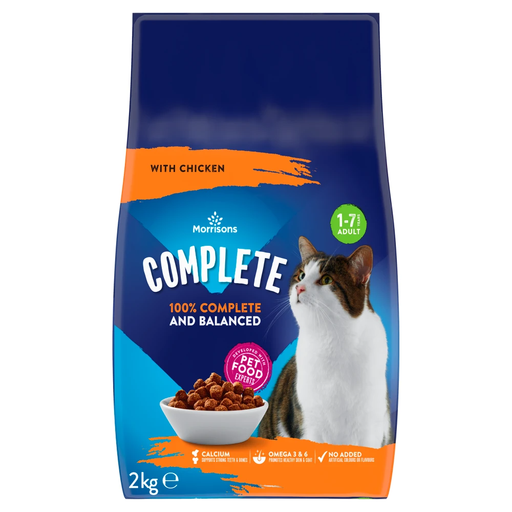
Why This Fits Their Persona: A 2kg pack offers a manageable starting size for owners of one adult cat aged 1–7 years.
It is labelled as a complete food for adult cats, avoiding the mistake of using a complementary product as a sole diet.
Lists 25% protein, 10% fat, calcium and Omega 3 & 6; contains no added artificial colours or flavours.
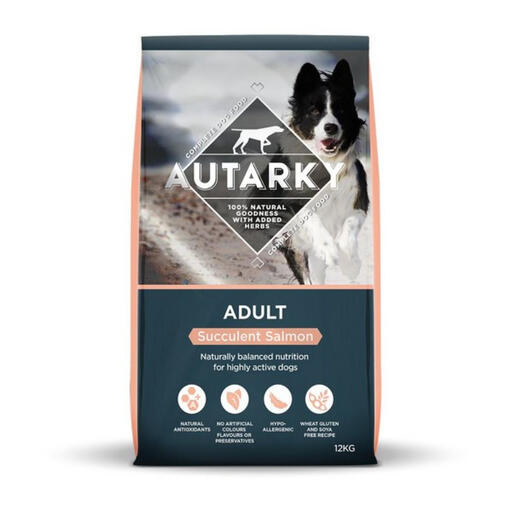
Why This Fits Their Persona: Suitable for active adult dogs and owners who prefer a fish-based recipe in a large household pack.
The listed composition identifies salmon at 35% and states that the recipe is free from wheat gluten and soya.
12kg quantity; 24% protein and 14% fat; includes salmon, linseed and stated Omega fatty-acid sources.
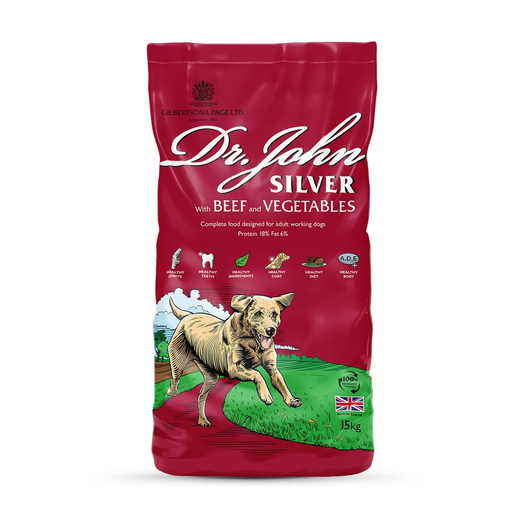
Why This Fits Their Persona: Designed for owners feeding several dogs or looking for an all-life-stage option in a substantial pack.
The pack specifies suitability for dogs of all life stages and provides separate feeding guidance for puppies, adults and senior dogs.
15kg pack; listed crude protein of at least 22% and crude fat of at least 10%; includes beef and vegetables.

Why This Fits Their Persona: A useful match for owners comparing sensitive dog food and grain-free dog food for adult dogs.
It clearly identifies turkey, potato and vegetables, and states that it contains no artificial colours, flavours or preservatives.
Lists 50% turkey, 26% potato and 30% crude protein; includes Omega 3 and 6 sources.
We have compiled a complete, real-time list of products that fully satisfy these strict selection criteria and UK safety regulations.
It can offer a lower cost per serving and is generally easier to store after opening. However, compare the feeding guide, pack weight and calorie content rather than relying only on the shelf price. Cats and dogs should have constant access to fresh water when fed dry food.
Follow the packaging guidance and use a tightly sealed container in a cool, dry place away from sunlight. Buy a size your pet can consume while the food remains fresh. A smaller 1.9kg or 2kg pack may suit one cat or small dog, while 12kg–15kg packs are more appropriate where usage is high and storage is suitable.
Yes. Mix increasing amounts of the new food with the old food over approximately seven days, while monitoring appetite and stools. Stop and seek veterinary advice if your pet shows persistent vomiting, diarrhoea, lethargy or other concerning symptoms.