
24/7 Customer Support

Free returns

Same-day & Next-day Delivery

Quality Guaranteed

Unlock Your Welcome Offers: FREE Delivery | Up to 80% OFF | Free 30-day JoyPlus trial
Download the APP
Choosing dry dog and cat food can look straightforward until you compare ingredient lists, feeding claims and pack sizes. A brightly designed bag may still be unsuitable as a sole diet, while a large “value” pack can lose freshness before your pet finishes it.
This guide explains the checks that matter when comparing complete dry dog food, adult dog food, senior dog food, small breed dog food and dry cat food for UK households.
The word “dry food” does not automatically mean that it supplies every nutrient your pet needs. A complete food is intended to provide a balanced daily diet when fed as directed. A complementary product must be combined with another food.
For example, Pedigree Dry Mixer Adult Small Dog is specifically described as a complementary mixer for feeding with wet food. It should not be treated as a complete meal on its own. Always check the statutory description and feeding instructions on the packaging.
“Chicken”, “salmon” or “natural ingredients” on the front of a bag can be useful indicators, but they do not replace the full composition and analytical constituents. Check:
A recipe labelled chicken cat food may contain only a stated percentage of chicken, while the remainder could include cereals, oils, minerals and other animal derivatives.
Large 12kg or 15kg bags can reduce the cost per kilogram, especially for multi-dog households or working dogs. However, once opened, dry food can absorb moisture and lose aroma. If your pet eats slowly, a smaller 1.9kg or 2kg pack may help preserve freshness and reduce waste.
Store kibble in its original sealed packaging, or place the sealed bag inside an airtight container in a cool, dry location away from direct sunlight.
Dogs and cats have different nutritional requirements, so never substitute one species’ food for another. Within each species, life stage also matters:
Feeding amounts are starting points. Adjust portions according to weight, activity and body condition, while accounting for treats and wet food.
Look for wording such as complete pet food for adult dogs or 100% complete and balanced nutrition. The product should clearly state its intended species and life stage. UK pet food labels also provide composition, additives, analytical constituents, net quantity and feeding directions.
For dogs with suspected dietary sensitivities, look beyond phrases such as “hypoallergenic”. Check the actual ingredients and manufacturing warnings. A wheat-free food may still be produced in a factory that handles wheat, which is relevant for dogs with severe allergies.
A vegan household may prefer vegan dog food, but a plant-based recipe still needs to be labelled complete and suitable for the dog’s life stage. Benevo Adult Dog Original, for example, provides a plant-based recipe with soya, maize and peas and includes taurine, L-carnitine and prebiotic FOS.
For pets with sensitive stomachs, compare recipes that exclude particular ingredients, such as wheat gluten or soya, but speak to a vet before making significant dietary changes or managing ongoing digestive symptoms. Cats are obligate carnivores, so a vegan diet should not be selected without appropriate professional guidance.
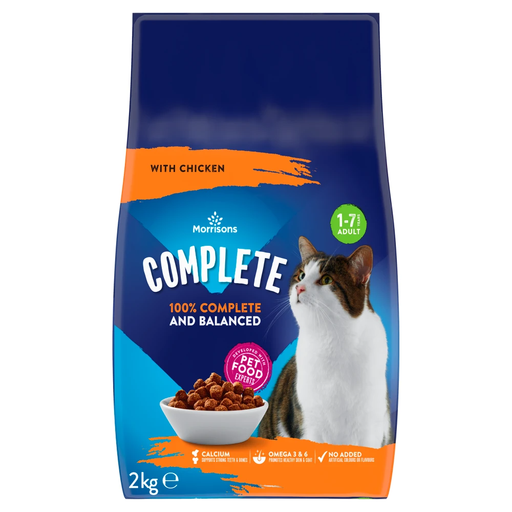
Why This Fits Their Persona: A 2kg pack provides a practical starting quantity for an adult cat household without committing to bulk pet food.
It is described as complete and balanced for adult cats aged 1–7 years, avoiding the mistake of buying a complementary product as a daily sole diet.
It contains 25% crude protein and states added calcium plus Omega 3 and 6.
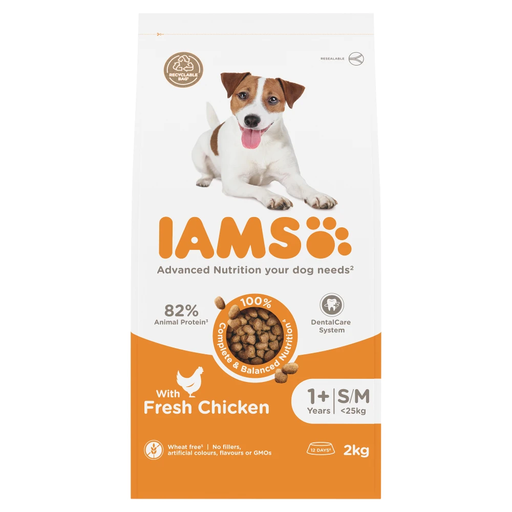
Why This Fits Their Persona: It suits owners seeking a clearly specified adult dog food for small to medium dogs under 25kg.
The product description identifies species, adult life stage, size category and complete-food use, making suitability easier to verify.
The recipe includes fresh chicken, a stated 26% protein level and a wheat-free formulation.
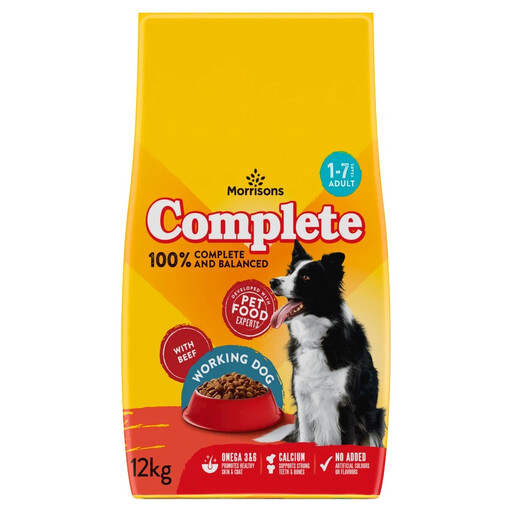
Why This Fits Their Persona: The 12kg pack is practical for active working dogs or multi-dog homes that use food regularly.
It is identified as complete dry food for adult working dogs, rather than a standard mixer or treat.
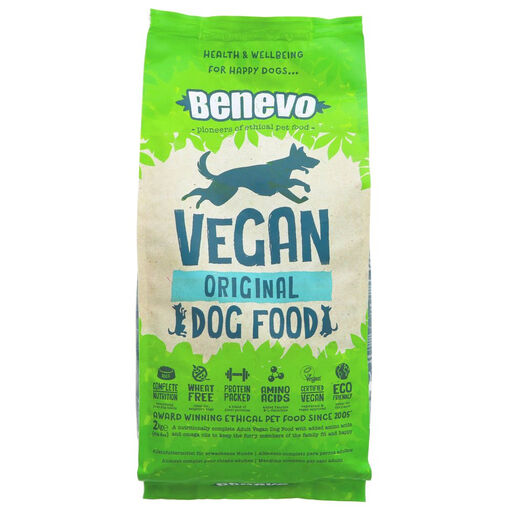
Why This Fits Their Persona: It offers an explicitly vegan, wheat-free and meat-free option for adult dogs in vegan households.
The listing identifies it as complete vegan dog food, helping shoppers distinguish a formulated meal from a meat-free complementary product.
It provides 27% plant-based protein and includes taurine, L-carnitine and prebiotic FOS.
We have compiled a complete, real-time list of products that fully satisfy these strict selection criteria and UK safety regulations.
It often has a lower cost per serving and is easier to store, but the actual cost depends on feeding quantities, pack size and the food’s energy density. Compare the recommended daily amount rather than only the bag price. Dry food also contains less moisture, so fresh drinking water should always be available.
There is no single lifespan for every recipe. Follow the product’s best-before information and reseal the packaging after each use. Buy a pack size your pet can finish while the food remains dry and palatable. A smaller pack can be more practical for one cat or a small dog, while bulk pet food may suit larger households.
Introduce the new food gradually, commonly over around seven days, by mixing increasing amounts with the current recipe. Monitor appetite, stools and general tolerance. If your pet has persistent digestive problems or a known allergy, seek veterinary advice before changing diets.