
24/7 Customer Support

Free returns

Same-day & Next-day Delivery

Quality Guaranteed

Unlock Your Welcome Offers: FREE Delivery | Up to 80% OFF | Free 30-day JoyPlus trial
Download the APP
Choosing dry dog and cat food can seem straightforward until you compare ingredient lists, feeding instructions and pack sizes. Bright packaging often highlights a single ingredient or lifestyle benefit, while important details such as whether the food is complete, which life stage it suits and how much your pet needs may receive less attention.
This guide explains the checks that matter before you buy, helping you compare complete dry pet food, adult dog food, puppy food, senior dog food, adult cat food and kitten food with greater confidence.
“Dry food” does not automatically mean it can be fed as your pet’s sole diet. A product labelled complete pet food is formulated to provide the required nutrients for the stated animal and life stage when fed as directed. A complementary product is intended to be combined with another food.
For example, Morrisons Mixer Complementary Dry Dog Food is designed to be combined with Morrisons canned dog food. It should not be treated as a standalone replacement for complete adult dog food unless the label specifically permits this use.
Names such as chicken dry dog food or salmon dry cat food can be useful for identifying flavour, but the named ingredient may represent only a stated proportion of the recipe. Check the composition and any percentage declaration rather than assuming the food is made mostly from that ingredient.
For instance, several recipes in this range declare 4% chicken, tuna or salmon in particular kibble pieces. That is more useful information than relying on the front-of-pack flavour description alone.
Pet food multipack sizes and large bags can reduce the cost per kilogram, but they may be unsuitable if your pet is fussy, eats slowly or needs a different formula later. Once opened, dry food should be kept sealed in a cool, dry place. A smaller pack can be practical when introducing a new recipe, while a larger pack may suit a multi-pet household or a dog with predictable daily consumption.
The food should clearly identify whether it is for dogs or cats and specify the relevant age group.
Always check the product label if your pet is pregnant, nursing, unusually active or has a diagnosed dietary condition. A veterinary surgeon can advise on medically indicated diets.
Look for the words complete pet food and compare the guaranteed or typical analytical constituents, including:
These figures are not a complete nutritional assessment by themselves, but they help you compare similar products. Harringtons Dry Cat Food Salmon, for example, lists at least 30% crude protein and at least 16% crude fat, while Morrisons Complete Chicken & Veg Dry Cat Food lists 25% protein and 10% fat.
For dogs, BETA Adult Dry Dog Food with Chicken lists 26% protein and 13% fat. A lower-fat recipe such as Bakers Superfoods Senior Chicken with Vegetables lists 8% fat and is labelled for older dogs. These figures should be considered alongside age, activity level, body condition and the feeding table.
Feeding tables are usually guidelines rather than fixed prescriptions. Portion recommendations may vary according to body weight, activity and physical condition. Treats and wet food should also be included when considering total daily intake.
A 12kg bag of Autarky Adult Delicious Chicken may suit an active dog or a multi-dog household, whereas a 1.1kg or 2kg pack can be more manageable for a single pet trying a new recipe. Always provide fresh drinking water and introduce a new food gradually, commonly over around seven days, to help reduce digestive disruption.
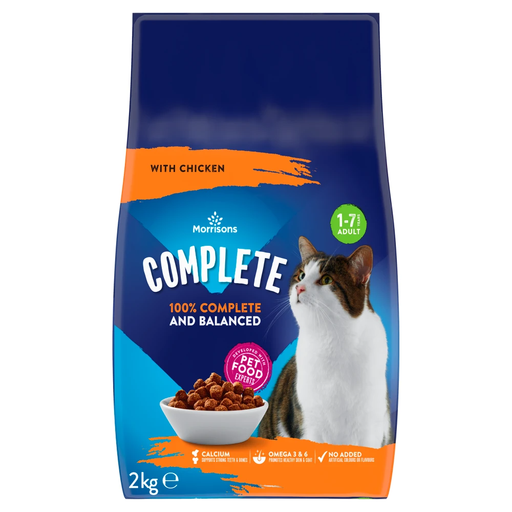
Why This Fits Their Persona: A straightforward choice for owners seeking a complete adult cat food in a practical 2kg pack for everyday feeding.
It is identified as complete and balanced for adult cats aged 1–7 years, unlike a complementary mixer.
2kg quantity, 25% crude protein and stated Omega 3 and Omega 6 content.
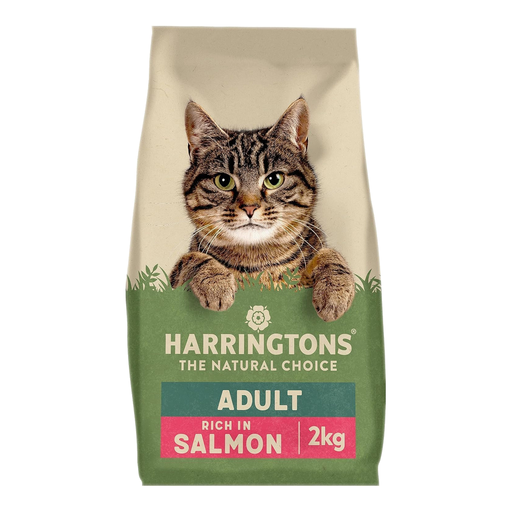
Why This Fits Their Persona: Suits adult-cat owners looking for a grain-free salmon recipe with clearly listed additional nutrients and a medium-sized pack.
The composition states salmon meal at 28% and identifies the product as complete dry pet food for adult cats aged 1–7 years.
Grain-free recipe, salmon meal, taurine and stated Omega 3 content.
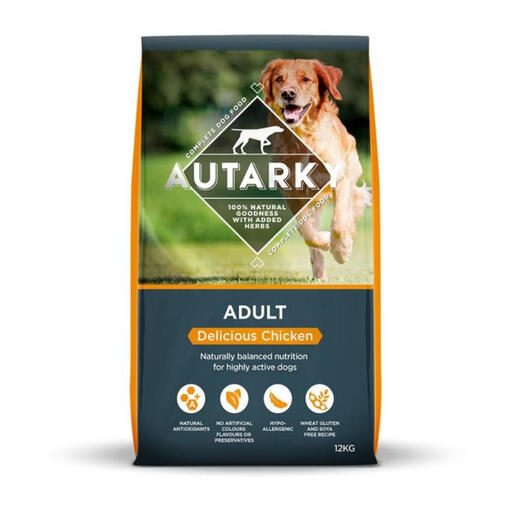
Why This Fits Their Persona: A large-format option for active adult dogs, multi-dog homes or owners who prefer fewer repeat purchases.
The pack gives a clear 12kg quantity and states that the recipe is complete for adult dogs, making cost and consumption easier to plan.
Minimum 26% chicken, wheat-gluten and soya-free recipe, plus stated Omega 3 and Omega 6 content.
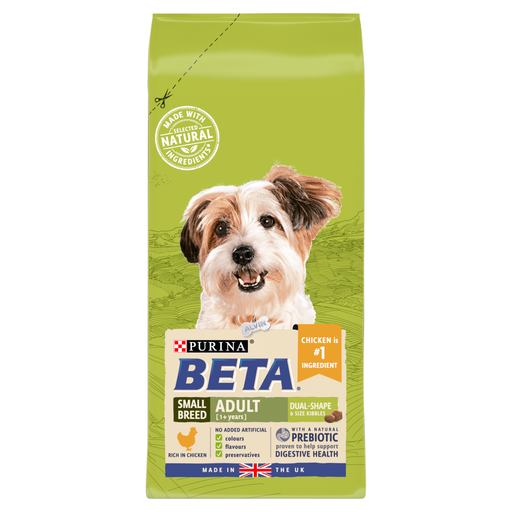
Why This Fits Their Persona: Suitable for owners who want adult small breed dog food with a stated kibble format and feeding guide for lighter body weights.
It is labelled for small-breed adult dogs and provides quantities from 1kg to 10kg body weight, rather than relying on a generic adult formula.
2kg pack, 27% protein and dual kibble shapes and sizes.
We have compiled a complete, real-time list of products that fully satisfy these strict selection criteria and UK safety regulations.
It depends on the product, pack size, feeding quantity and whether your pet eats a combination diet. Dry food is often easier to store and measure, while large bags may reduce the price per kilogram. Compare the recommended daily portion rather than pack price alone and include treats or wet food in your calculation.
There is no single lifespan for every household. It depends on the bag size, daily portion and number of pets. Keep the food sealed in its original packaging or a suitable airtight container, away from heat, sunlight and moisture. Follow the label’s use-by or storage guidance and discard food that is damp, mouldy or has an unusual odour.
A gradual transition is generally preferable. Mix a small amount of the new food with the existing recipe and increase it over approximately seven days, following the product instructions. Monitor appetite, stools and general tolerance. If your pet has persistent digestive symptoms, allergies or a prescribed diet, seek advice from a veterinary surgeon.