
24/7 Customer Support

Free returns

Same-day & Next-day Delivery

Quality Guaranteed

Unlock Your Welcome Offers: FREE Delivery | Up to 80% OFF | Free 30-day JoyPlus trial
Download the APP
Choosing dry dog food should be straightforward, but colourful packaging and broad claims can make comparison difficult. UK dog owners often want a convenient, nutritious meal, yet the wrong formula may be unsuitable for a puppy, too rich for a less active dog or incomplete when used on its own.
The main pitfalls are easy to miss:
For everyday feeding, look for a statement such as “complete pet food for adult dogs”, “complete puppy food” or the appropriate life-stage wording. Complete dry dog food is formulated to provide the nutrients needed when fed as directed.
A complementary product is different. Morrisons Mixer and Pedigree Dry Mixer, for example, are designed to be combined with wet food rather than fed as the sole diet. Using a complementary food alone could leave gaps in the overall feeding plan.
The product label should also identify the intended species, life stage, feeding directions, additives, net quantity and storage instructions. In the UK, pet food labelling must provide clear information to help owners use the product safely.
A puppy food formula generally needs feeding guidance based on growth stage and expected adult weight. Wagg Puppy Complete Chicken & Veg, for instance, is formulated for puppies from four weeks and includes stated protein, fat, calcium and vitamin D values.
For adult dogs, compare the feeding guide with your dog’s weight, exercise and body condition. Small dog food often has smaller kibble pieces, which can be easier for smaller mouths to manage. Senior dog food may have a different fat level and feeding guidance for older dogs.
Do not rely on the word “adult” alone. A highly active working dog may have different energy needs from a small companion dog that takes shorter daily walks.
The ingredient list shows what the recipe contains, while the analytical constituents provide percentages for protein, fat, fibre and ash. These figures are useful for comparing products within the same type, but they do not tell the whole nutritional story.
Pay attention to:
A sensitive stomach dog food should be introduced gradually. If your dog has persistent digestive symptoms, suspected allergies or a diagnosed condition, discuss dietary changes with a vet.
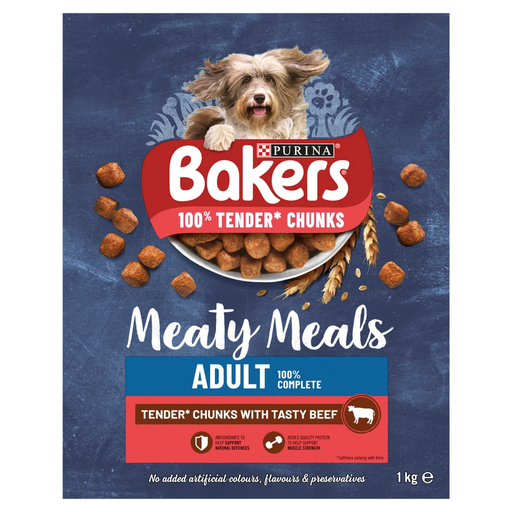
Why This Fits Their Persona: The 1kg pack provides a manageable way to introduce adult dog food without committing to a large bag, making it practical for first-time buyers or smaller households.
It is labelled as complete and balanced for adult dogs, helping distinguish it from a complementary mixer.
The recipe lists 21% protein, 10% fat and a declared 4% beef content within the meat and animal derivatives category.

Why This Fits Their Persona: Owners prioritising a grain-free recipe and a clearly stated animal ingredient may appreciate this 2kg option for an adult dog aged one to seven years.
The composition states 50% turkey, 26% potato and 5% vegetables, allowing a more informed comparison than flavour wording alone.
It is grain-free, provides 30% crude protein and includes sunflower and salmon oils in the ingredient list.
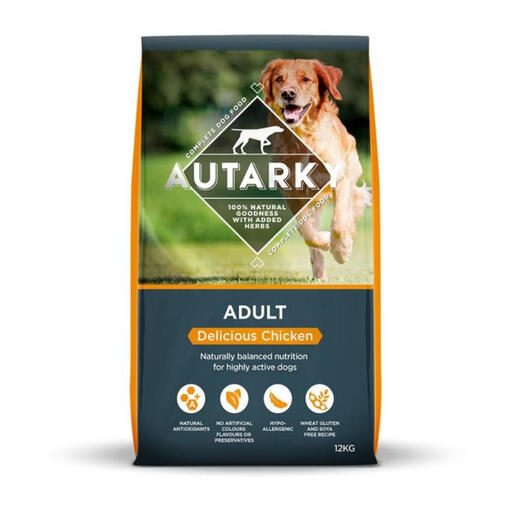
Why This Fits Their Persona: The larger pack suits multi-dog homes or owners who prefer fewer repeat purchases, provided there is a cool, dry storage area.
The label states that it is a complete adult diet and identifies wheat-gluten and soya-free formulation rather than relying only on vague “natural” wording.
It contains a minimum 26% chicken, 24% protein and 12% fat, with a 12kg net quantity.
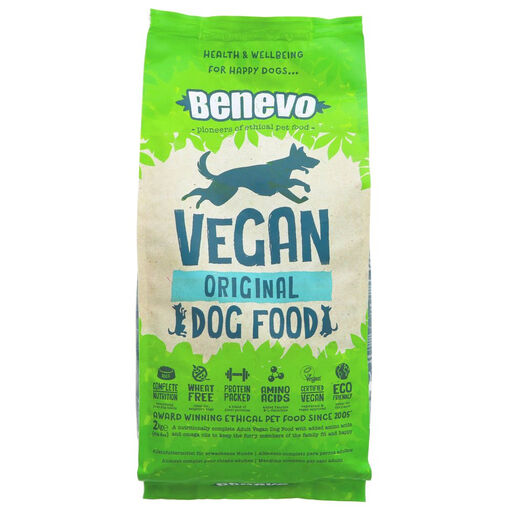
Why This Fits Their Persona: This option is intended for owners seeking vegan dog food for an adult dog, including households with plant-based or specific dietary preferences.
It is described as a complete vegan food, rather than a meat-free complementary product that would need another food alongside it.
The recipe lists soya, maize, rice and peas, with 27% protein and added taurine, L-carnitine and prebiotic FOS.
We have compiled a complete, real-time list of products that fully satisfy these strict selection criteria and UK safety regulations.
Introduce new dry dog food gradually over around seven days, mixing increasing amounts of the new recipe with the existing one. Follow the pack’s feeding guide, then adjust portions according to weight, exercise and body condition.
Keep kibble sealed in its original packaging or a suitable airtight container in a cool, dry place. Always provide fresh water. Do not use packaging as a toy, and keep bags away from children and pets because of the suffocation risk.
It depends on the recipe, pack size and your dog’s portion. Dry food is often convenient to store and measure, while wet food contains more moisture. Compare the recommended daily feeding amount rather than judging value from the shelf price alone.
Use the product’s label guidance and keep the bag sealed between meals. A small dog may take longer to finish a 12kg bag, so a 1kg or 2kg dog food pack can be more practical if freshness or storage space is a concern.
Puppies should normally receive a complete puppy food designed for growth, with feeding guidance based on age and expected adult size. Change to adult dog food when appropriate for your dog’s development, and ask a vet if you are uncertain about timing or nutritional needs.