
24/7 Customer Support

Free returns

Same-day & Next-day Delivery

Quality Guaranteed

Unlock Your Welcome Offers: FREE Delivery | Up to 80% OFF | Free 30-day JoyPlus trial
Download the APP
Choosing dry dog food in the UK can seem straightforward until you compare ingredient lists, life-stage claims, pack sizes and feeding instructions. Eye-catching words such as “natural”, “superfood” and “high meat” do not always tell you whether a product is suitable for your dog’s age, size or activity level.
The practical starting point is to identify your dog’s nutritional category, then check whether the food is genuinely complete, clearly labelled and good value for the amount your dog needs.
A complete dry dog food is designed to provide the nutrients a dog needs when fed according to the label. A complementary product is intended to be mixed with another food or used as a treat.
For example, Morrisons Mixer Complementary Dry Dog Food is specifically intended to be combined with Morrisons tinned dog food. Bakers Meaty Meals Chicken Dry Dog Food 1kg is also listed as a complementary pet food and should not replace your dog’s main meal.
Always look for the statutory description, such as “complete pet food for adult dogs”, before placing a product in your basket.
“Chicken dog food” may contain only a stated percentage of chicken, while the rest of the meat ingredients may come from other sources. Bakers Adult with Tasty Chicken & Country Vegetables, for example, lists 20% meat and animal derivatives, of which 4% is chicken.
Similarly, “lamb and rice dog food” does not necessarily mean lamb is the only animal protein. Harringtons Adult Rich in Lamb & Rice lists lamb and meat meals, including dried lamb and freshly prepared chicken.
Read the full composition rather than relying on flavour imagery or large promotional wording.
A 12kg dog food bag can offer convenience for a large or multi-dog household, but it may lose freshness if it remains open for too long. Smaller 2kg dog food or 3kg bags can be more practical for a small dog, a trial purchase or households with limited storage.
Store kibble in a cool, dry place, reseal the packaging and follow any recommended “use within” period after opening. Buying in bulk only represents value if your dog will eat the food while it remains fresh.
Adult dog food is not automatically suitable for puppies or older dogs. Puppy food generally has a different nutrient profile for growth, while senior dog food may have adjusted energy and fat levels.
Check the stated age range carefully. Wagg Active Goodness is labelled for active working dogs aged eight weeks and above, whereas Bakers Superfoods Senior Chicken with Vegetables is intended for dogs aged seven years and over. These distinctions matter more than a general “all dogs” message.
Working dog food should also be matched to the animal’s real activity level. A highly active working dog may need different portion guidance from a lightly exercised pet, so follow the manufacturer’s feeding table and monitor body condition.
The guaranteed analysis gives useful figures for comparison:
For example, Wagg Active Goodness Rich in Beef & Veg lists 22% protein, 8% fat and 338 kcal per 100g. Bakers Superfoods Senior Chicken with Vegetables lists 24% protein and 8% fat. These figures are objective comparisons, not a guarantee that either recipe will suit every dog.
If you are considering grain-free dog food, check the full ingredients rather than assuming “natural dog food” means grain-free. Grain-free recipes can still contain other carbohydrate sources such as potato, peas or sweet potato, and they are not automatically preferable for every dog.
Kibble size is also important. Small dog food with bite-sized pieces may be easier for smaller breeds to manage. Puppy recipes such as Burns Puppy Mini 2kg are designed with smaller kibble for small and toy breed puppies.
For suspected allergies, digestive problems or a prescribed diet, consult a veterinary professional before changing foods. Introduce a new recipe gradually over around seven to ten days where the product guidance recommends it.
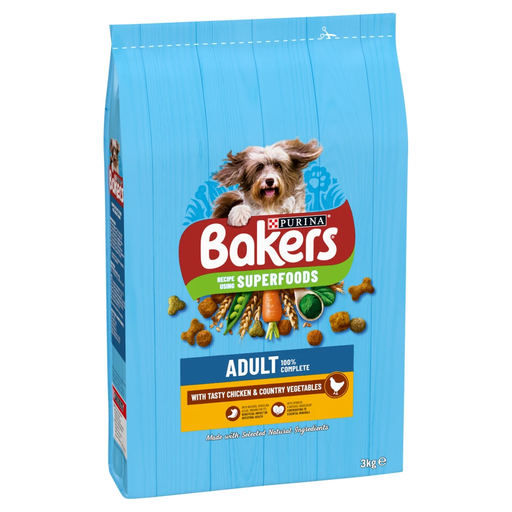
Why This Fits Their Persona: A manageable pack size for owners who want to compare an adult recipe without committing to a 12kg bag.
The listing identifies it as complete food for adult dogs and gives the chicken percentage, rather than leaving the meat composition unclear.
3kg format; 20% protein and 10% fat; feeding guidance is provided by dog size.
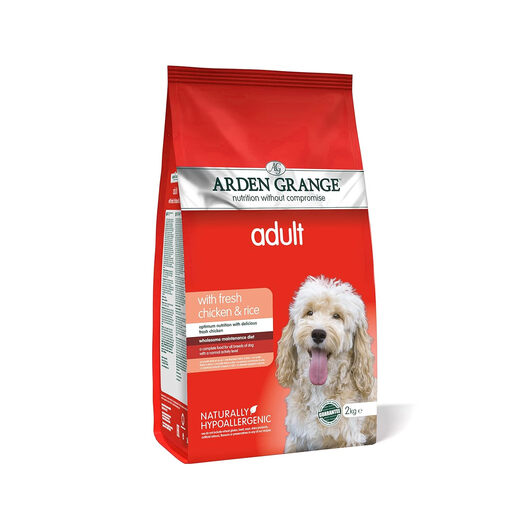
Why This Fits Their Persona: Suitable for adult-dog owners who want a clearly listed chicken-and-rice recipe in a compact pack.
The ingredient panel specifies fresh chicken, chicken meal, rice, protein, fat and fibre levels for easier comparison.
2kg pack; 26% stated crude protein; no wheat, soya or dairy listed in the product description.
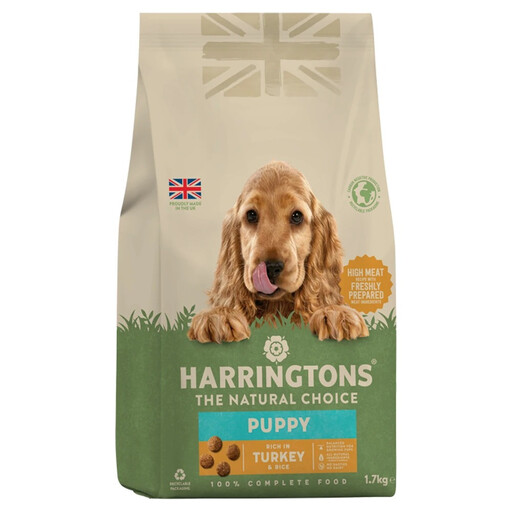
Why This Fits Their Persona: A smaller pack for owners feeding a growing puppy and monitoring how it responds to a new recipe.
It is labelled as complete nutrition for growing puppies and provides puppy-specific feeding ranges and kibble guidance.
30% protein and 14% fat listed; includes salmon oil, FOS and smaller puppy kibble.
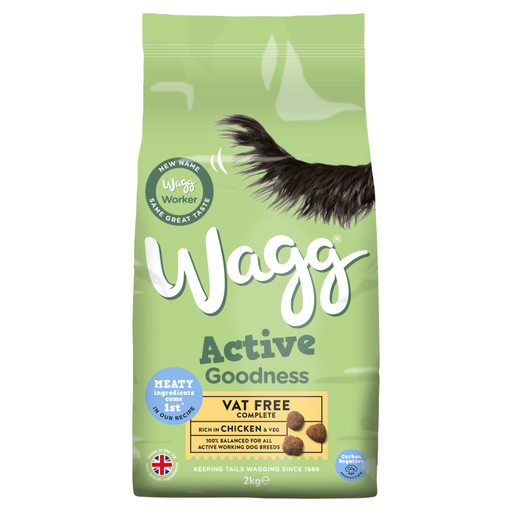
Why This Fits Their Persona: Formulated for active working dogs, including owners who need clear guidance for different sizes and activity levels.
The product is identified as complete food for active working dogs, with activity-based feeding guidance rather than a generic adult portion.
2kg pack; 22% protein, 8% fat and 338 kcal per 100g; can be fed dry or moistened.
We have compiled a complete, real-time list of products that fully satisfy these strict selection criteria and UK safety regulations.
It depends on your dog’s weight, activity and daily portion. A small dog may take several weeks to use a 2kg bag, while a large or working dog can consume several hundred grams per day. Use the pack’s feeding guide as a starting point and adjust for body condition.
Dry food is often easier to store and measure, and larger packs can reduce the cost per kilogram. However, compare feeding amounts rather than pack prices alone. A food with a different calorie density may require a larger daily portion.
Yes, unless a veterinary professional advises otherwise. Mix increasing amounts of the new food with the old recipe over several days, while monitoring appetite, stools and weight. Always provide fresh drinking water and seek veterinary advice if your dog develops persistent digestive symptoms.