
24/7 Customer Support

Free returns

Same-day & Next-day Delivery

Quality Guaranteed

Unlock Your Welcome Offers: FREE Delivery | Up to 80% OFF | Free 30-day JoyPlus trial
Download the APP
Choosing dry dog food is not simply a matter of comparing bag size or picking the recipe with the most attractive front-of-pack claims. UK dog owners also need to consider life stage, activity, ingredients, feeding guidance and whether the food is labelled as complete.
Some products may look suitable for sensitive dogs or active breeds, yet still be a poor match for an individual dog’s needs. This guide explains the practical checks to make before buying and highlights suitable options for different households.
A grain-free dog food contains no cereal grains, but that does not automatically mean it is appropriate for every intolerance or digestive concern. Recipes can still contain other ingredients that do not suit a particular dog. Check the complete ingredient list rather than relying only on the front label.
Likewise, wheat-free dog food may contain other cereals such as maize or barley. If your dog has a diagnosed allergy or recurring digestive symptoms, speak to a veterinary professional before changing its diet.
Words such as chicken, fish or beef on the front of a bag do not always indicate a meat-heavy recipe. Look at the composition and percentages. For example, a food may state a minimum percentage of a named meat while also containing cereals, vegetable ingredients and meat derivatives.
This matters when comparing chicken dog food, fish dog food or recipes intended for dogs that avoid poultry. Ingredient lists are normally arranged by weight, so the first few ingredients provide useful context.
A 10kg or 12kg bag can offer practical value for a medium or large dog, but it is a costly mistake if the food causes refusal or digestive upset. A smaller 2kg or 3kg bag can be more sensible when introducing a new protein or trying hypoallergenic dog food.
Store kibble in a cool, dry place, reseal the bag carefully and follow the product’s storage instructions. Freshness and palatability can decline if food is exposed to humidity or heat.
Look for wording such as complete pet food for adult dogs, complete puppy food or a formula for active working dogs. A complete diet is intended to provide the nutrients required when fed according to the label. Do not assume that every dry product, treat or complementary food is nutritionally interchangeable.
Puppies have different nutritional requirements from adult dogs. Puppy dry food should include feeding guidance based on age and expected adult size. Harringtons Superfoods Puppy Chick, for example, is described as suitable for growing puppies and includes smaller kibble intended for smaller mouths.
Adult dogs may need portions adjusted according to body weight, age, breed and exercise. A working dog formula can be more appropriate for a highly active dog than a standard adult dog food, but feeding amounts still need monitoring.
The analytical constituents panel gives a more reliable comparison than phrases such as “natural vitality” or “superfood recipe”. Check:
These figures do not determine whether a food is right for a particular dog, but they help you compare products consistently. For example, Harringtons Puppy Chick lists 30% protein and 14% fat, while Chappie Chicken & Wholegrain Cereal lists 20% protein and 8.2% fat.
Recipes containing fish oil, linseed or marine algae may provide declared omega fatty acids. Dog food with omega 3 and 6 can be considered where skin and coat nutrition is a priority, but the presence of omega oils is not a medical treatment or guarantee of a particular result.
For dogs with sensitive digestion, look for clearly stated ingredients such as prebiotic FOS, MOS, chicory root or beet pulp. These are recipe features associated with digestive formulation, but individual tolerance remains important. Introduce any new sensitive stomach dog food gradually over approximately five to seven days, unless your vet advises otherwise.
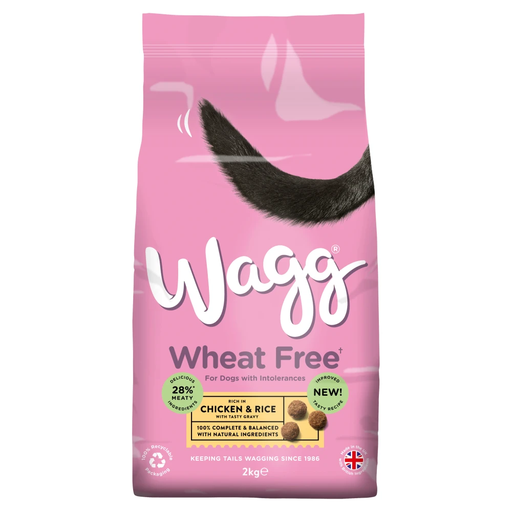
Why This Fits Their Persona: A 2kg pack offers a manageable way to introduce wheat-free adult dog food without committing to a large quantity.
The product description specifies a wheat-free recipe and provides analytical values, rather than relying only on broad sensitivity claims.
Contains 21% protein, 8% fat, rice, chicken and chicory root as a source of FOS.
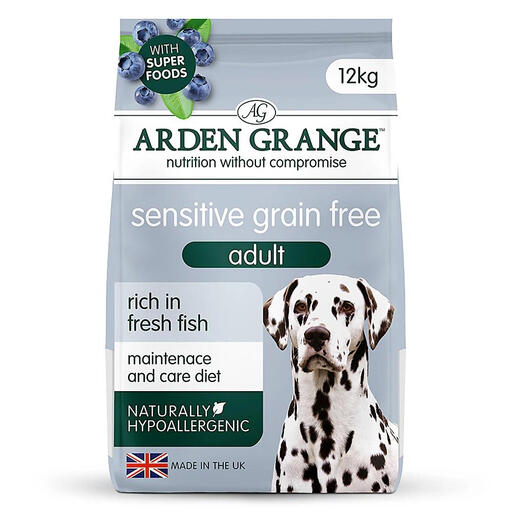
Why This Fits Their Persona: Suitable for owners comparing a larger grain-free fish recipe for adult dogs with dietary sensitivities.
The composition identifies fresh ocean white fish at 22% and white fish meal at 18%, making the main protein sources easier to assess.
Grain- and cereal-free recipe with 25% protein, 14% fat, prebiotic ingredients and declared omega 3 and 6.
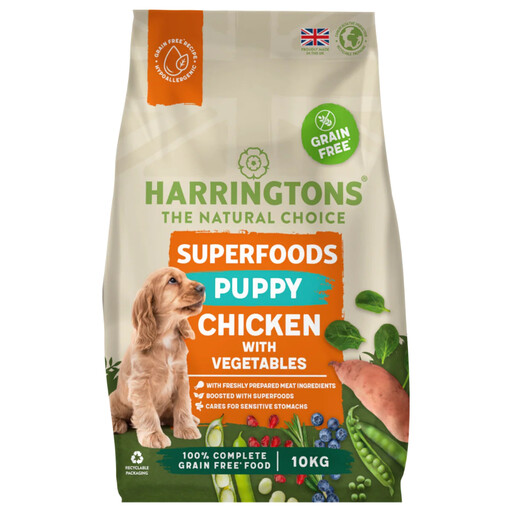
Why This Fits Their Persona: Designed for owners who need a complete grain-free puppy food with age-specific feeding guidance and smaller kibble.
It is clearly positioned for puppies, rather than requiring owners to adapt an adult recipe to a growing dog.
Lists 35% chicken, 30% protein, 14% fat and declared omega 3 and omega 6 levels.
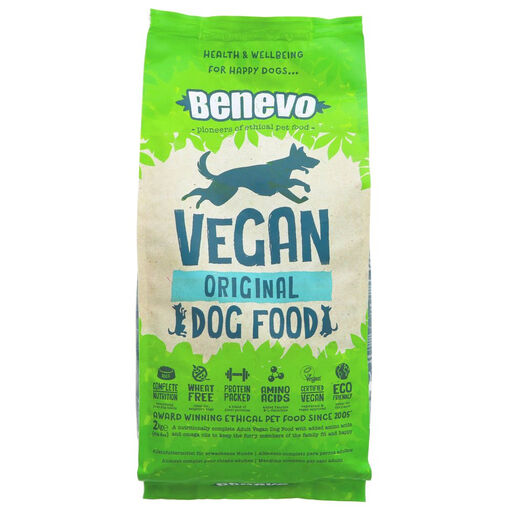
Why This Fits Their Persona: A practical option for adult dogs in vegan households or for owners seeking a meat-free dietary preference.
The product is identified as complete vegan dog food and lists its plant-based protein sources instead of using vague meat-free wording.
Provides 27% plant-based protein and excludes meat, wheat and dairy according to the supplied product information.
We have compiled a complete, real-time list of products that fully satisfy these strict selection criteria and UK safety regulations.
It can be, depending on the product’s energy density, pack price and the portion required by your dog. Compare the cost per kilogram and the recommended daily amount rather than bag price alone. Larger bags may reduce the unit cost but are only economical if your dog eats the food consistently and it can be stored correctly.
There is no single lifespan for every recipe. Follow the manufacturer’s label and reseal the packaging after each use. Buying a pack size your dog can consume while the kibble remains fresh is usually more practical than choosing the largest available bag.
Many dogs can eat a suitable dog food for healthy digestion, but sensitivity has different causes. Choose a clearly labelled complete recipe, introduce it slowly and monitor stools, appetite and general condition. If symptoms continue, recur or are severe, seek veterinary advice before making further dietary changes.