
24/7 Customer Support

Free returns

Same-day & Next-day Delivery

Quality Guaranteed

Unlock Your Welcome Offers: FREE Delivery | Up to 80% OFF | Free 30-day JoyPlus trial
Download the APP
As a Product Recommendation Officer at Joybuy, I often see how confusing the dog food aisle can be. With shelves packed with bags all promising the world, it’s easy to feel overwhelmed. Choosing the right dry dog food is one of the most important decisions you'll make for your companion's daily health and happiness. The goal is to find a nutritious, affordable complete dog food that suits your dog's specific needs, but marketing jargon can often get in the way.
This guide is designed to help you cut through the jargon. We'll look at the common pitfalls that UK dog owners encounter and break down what really matters when you read the label, helping you make a confident choice for your furry friend.
Navigating the world of dog kibble UK can feel like a minefield. Many well-intentioned owners are swayed by clever marketing, only to find the food isn't right for their dog or their budget. Here are three common traps to be aware of.
The term grain free dog food has become a huge marketing buzzword. While it is essential for dogs with a diagnosed grain allergy or sensitivity, it's not automatically a superior choice for every dog. Many dogs digest high-quality grains like oats and rice perfectly well, and these can be excellent sources of energy and fibre. The trap is paying a premium for a grain-free label when the real issue might be the quality of the ingredients, not the presence of grains themselves.
You'll often see "Fresh Chicken" listed as the number one ingredient, which sounds great. However, fresh meat contains around 70-80% water. Ingredients are listed by weight before cooking. During the process of making dry kibble, most of this water is removed. A food that lists "Chicken Meal" or "Dried Turkey" further down the list may actually contain more concentrated animal protein than one listing fresh meat first. This is a crucial detail for ensuring your dog gets the protein they need.
Terms like "natural dog food" sound wholesome, but they are not legally defined in the UK pet food industry. This means they can be used quite loosely. A food can be labelled "natural" yet still contain vague ingredients like "meat and animal derivatives," which can be a mix of lower-quality protein sources. Always look past the marketing claims on the front of the bag and focus on the specific ingredients listed in the composition section.
To make an informed decision, you need to become comfortable reading the back of the bag. Here are the key factors to analyse.
The ingredients list is your most powerful tool. It's legally required to be in descending order of weight.
A one-size-fits-all approach doesn't work. The nutritional profile should match your dog's life stage and activity level.
If your dog has specific health concerns, look for formulas designed to address them. Sensitive dog food and hypoallergenic dog food often use novel proteins (like duck or fish) and are free from common irritants like wheat, soya and dairy to minimise the risk of digestive upset or skin issues.
Based on these practical criteria, we've matched some options to common UK dog owner profiles. These recommendations focus on transparent ingredients and providing good value for specific needs.
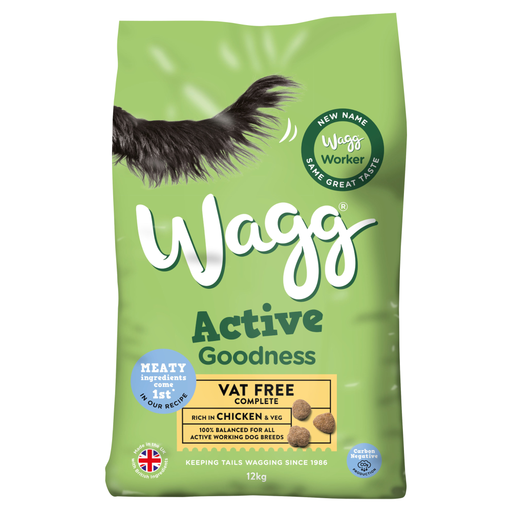
Why This Fits Their Persona: This is a classic choice for owners of energetic dogs who need a reliable, complete food without a hefty price tag. The large bag dog food format offers excellent value, and it's specifically formulated as a working dog food to provide sustained energy.
It's upfront about its protein source, listing "26% Meat Meal & Gravy." This avoids the "fresh meat" water weight trap by using a concentrated protein meal, ensuring the 22% protein level is robust.
Provides a complete and balanced diet for active dogs at an affordable price point. It also includes extras like chicory root for digestion and is made in the UK.
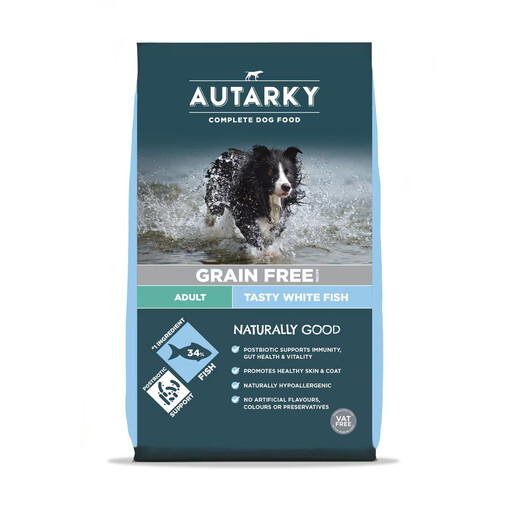
Why This Fits Their Persona: For owners managing a dog's delicate digestion or skin, a hypoallergenic dog food is key. This formula uses white fish as the primary protein and potato as the carbohydrate, avoiding common allergens like chicken, beef and wheat.
This isn't just "grain-free" for marketing. It's a thoughtfully formulated sensitive dog food that uses a single, novel protein source (fish) and is free from wheat gluten and soya, directly addressing common causes of intolerance.
The fish-based recipe is rich in Omega-3 fatty acids, which can help support skin and coat health. It also includes prebiotics and joint support (glucosamine and chondroitin).
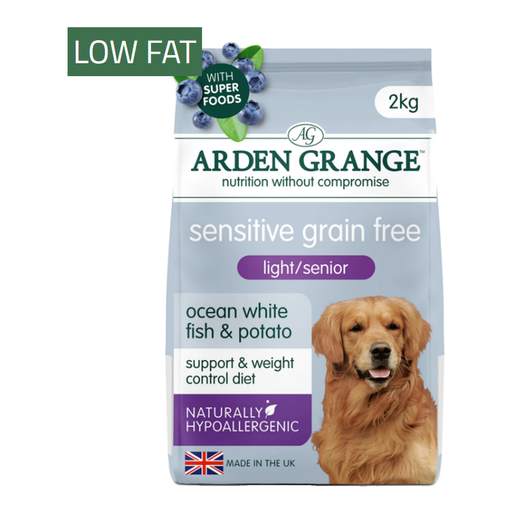
Why This Fits Their Persona: Owners of older dogs need a food that supports their changing bodies. This senior dog food is also designed for sensitive systems and weight management, which are common concerns for less active, older pets.
It goes beyond a simple "senior" label. The formula is genuinely different, with a lower calorie ratio to prevent weight gain and significantly higher levels of joint care ingredients compared to standard adult diets.
This is a dual-purpose formula for senior dogs who are also prone to sensitivities or weight gain. The grain-free recipe with ocean white fish is gentle on the digestive system.
We have compiled a complete, real-time list of products that fully satisfy these strict selection criteria and UK safety regulations.
To avoid digestive upset, you should transition your dog to a new food gradually. We recommend a period of 7-10 days. Start by mixing a small amount of the new food (around 25%) with their old food (75%). Every couple of days, increase the proportion of the new food until you have fully switched over.
Yes, in almost all cases. Buying a large bag dog food, such as a 12kg or 15kg sack, significantly reduces the cost per kilogram compared to smaller bags. For owners of medium to large breeds or multi-dog households, this is one of the most effective ways to manage your pet food budget without compromising on quality. Just be sure to store it correctly in a cool, dry place, ideally in an airtight container, to maintain freshness.
Not necessarily. While a higher price can reflect superior ingredients, such as a high percentage of named meat meal or specialised hypoallergenic dog food formulations, it can also be due to marketing budgets. The key is to ignore the price tag initially and analyse the composition list. A mid-priced food with a clear, high-quality ingredients list is often a better choice than an expensive one with vague terms and marketing fluff.