
24/7 Customer Support

Free returns

Same-day & Next-day Delivery

Quality Guaranteed

Unlock Your Welcome Offers: FREE Delivery | Up to 80% OFF | Free 30-day JoyPlus trial
Download the APP
Choosing the right dry dog food can feel like navigating a minefield of marketing claims and confusing labels. As a UK dog owner, you want to provide nutritious, safe and affordable food for your companion, but the sheer number of options—from supermarket own-brands like Morrisons dog food to specialist formulas—can be overwhelming. Many owners find themselves paying a premium for features their dog may not even need, or choosing an affordable option without understanding its nutritional trade-offs.
As the Joybuy Product Recommendation Officer, my role is to help you see past the hype. This guide will break down the common pitfalls to avoid and clarify the essential factors to consider, helping you select a complete dog food that truly suits your dog's needs and your budget.
Before you add a bag to your basket, be aware of these frequent marketing tactics that can lead to a poor choice for your pet and your wallet.
grain free dog food has become a powerful marketing tool, often associated with premium quality. However, not all dogs require a grain-free diet. For most dogs, whole grains like barley and rice are excellent sources of energy and fibre. A grain-free diet is primarily beneficial for dogs with a diagnosed grain allergy or sensitivity, which is less common than sensitivities to certain proteins. Paying extra for a grain-free label without a specific medical reason may not provide any additional benefit.complete dog food must meet minimum nutritional standards set by FEDIAF. However, this is just a baseline. The quality and bioavailability of the vitamins and minerals can differ significantly. Some cheaper foods may use fillers to meet these standards, while others use more digestible ingredients that provide better long-term value for your dog's health.To make an informed decision, focus on these three non-negotiable parameters. They will help you analyse any bag of dry dog food like a professional.
Ingredients are always listed in order of weight, so the first three to five ingredients make up the bulk of the food.
Chappie dog food and Wagg dog food are known for their clear labelling, making it easier to assess their composition.senior dog food.A one-size-fits-all approach rarely works. A dog's nutritional needs change dramatically throughout its life.
puppy food is essential to support this rapid growth phase.senior dog food is often lower in calories to prevent weight gain and may contain added joint support like glucosamine.If your dog has specific needs, a specialist diet might be necessary.
working dog food is formulated with higher levels of protein and fat to provide the sustained energy required for highly active or working dogs.To help you choose, we've matched some popular options to different UK dog owner profiles.
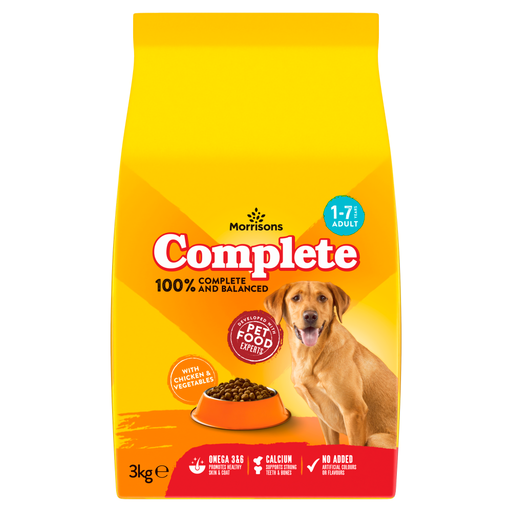
Why This Fits Their Persona: This is a practical, no-frills option that provides a balanced diet without the premium price tag. It's an ideal choice for owners looking for a reliable and affordable `cheap dog food` for their adult dog's everyday meals.
It avoids the "complete nutrition" illusion by being transparent. While cereals are the first ingredient, it meets all FEDIAF standards and is fortified with essential vitamins, minerals and omegas, offering solid value for its price point.
100% complete and balanced nutrition for adult dogs. Contains Omega 3 & 6 for skin and coat, plus calcium for strong bones. No added artificial colours or flavours.
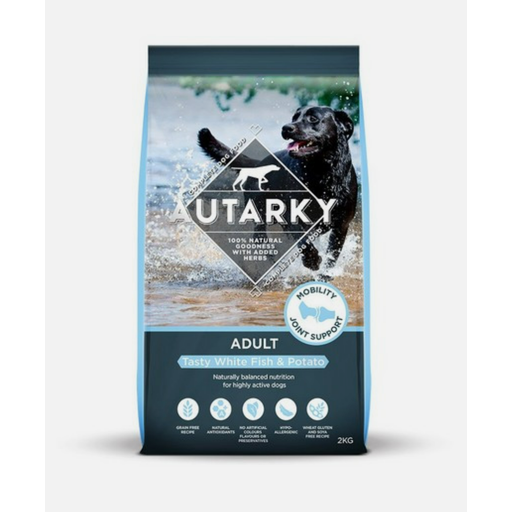
Why This Fits Their Persona: This is an excellent choice for owners seeking a `hypoallergenic dog food`. The grain-free recipe uses white fish as the primary protein, making it suitable for dogs with sensitivities to common ingredients like poultry or wheat.
It sidesteps the "grain-free halo" trap by offering a genuinely functional formula. It's not just about removing grains; it's about providing a targeted solution with high-quality fish protein, prebiotics for digestion and a joint care package.
Grain-free and hypoallergenic recipe with white fish as the main protein. Includes a blend of glucosamine, green-lipped mussel and olive extract for joint support.
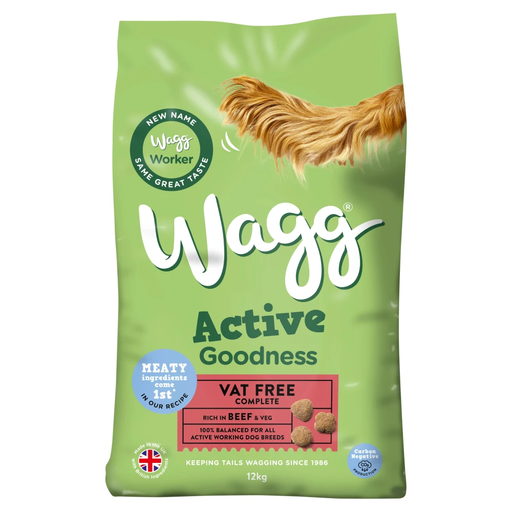
Why This Fits Their Persona: This is specifically formulated as a `working dog food`, providing the higher energy levels needed for active dogs. The large 12kg bag offers great value for owners of larger breeds or multiple dogs who get through food quickly.
It avoids vague protein claims by stating its composition clearly: 26% meat meal and gravy with a specified beef percentage. The 22% protein and 8% fat content is appropriate for active dogs, backing up its "Active" name with solid nutritional figures.
Nutritionally complete for active dogs with high-quality protein sources. Contains chicory and yucca to support digestive health and is proudly made in the UK.
We have compiled a complete, real-time list of products that fully satisfy these strict selection criteria and UK safety regulations.
Here are answers to a few common questions UK dog owners have about dry dog food.
The correct amount depends on your dog's age, breed, weight and activity level. Every bag of complete dog food includes a feeding guide on the packaging, usually a chart based on your dog's weight. This is a starting point. Monitor your dog's body condition—you should be able to feel their ribs but not see them—and adjust the portion size as needed.
Yes, but it should be done gradually to avoid digestive upset. Mix a small amount of the new food with their old food, and slowly increase the proportion of the new food over 5-7 days until you have fully transitioned. This gives your dog's system time to adapt.
Not necessarily. A higher price can reflect premium ingredients, specialist formulations (like hypoallergenic dog food) or simply a larger marketing budget. The most important thing is to read the label and choose a food with quality, digestible ingredients that suits your dog's specific needs. A mid-range food like Pedigree dry dog food or a supermarket brand can be perfectly nutritious for a healthy adult dog.