Repeat-lunch planners
Parents or carers preparing pasta regularly who can cook ahead and want a pack size they can portion across several lunches.


Dry pasta suits regular packed lunches when you can cook it, cool it and pack it for the school day. Tinned or ready-to-heat pasta needs a different serving plan: check whether it can be eaten as intended at school rather than treating it as a substitute for dry pasta. For either format, check the current label, the pupil’s requirements and the school’s allergy arrangements.
Parents or carers preparing pasta regularly who can cook ahead and want a pack size they can portion across several lunches.
Households considering prepared pasta to reduce cooking at home, provided the pupil can store and eat it as intended during the school day.
Families who need to check the exact pasta and accompanying ingredients against a pupil’s requirements and the school’s allergy arrangements.
Decide how the pasta will be prepared and served, then check portion planning and the complete meal’s ingredients.
| Concern | What to check | Who this matters to |
|---|---|---|
| Repeat-lunch portions | Check pack size and a dry-portion guide, then plan the accompaniments for each lunch. | If I prepare pasta lunches regularly, I want to know how many portions a pack will make before I cook it; about 50% of consumers put repeat-lunch portion planning first. |
| Preparation and serving | Check whether the finished lunch will be eaten cold or needs heating, and how it will be kept cool where appropriate. | When mornings are busy, I need a pasta lunch that can be prepared and eaten within the school routine. Preparation and serving are the main concern for about 30% of consumers. |
| Allergen fit | Read the current label for the pasta and additions; check the pupil’s requirements and school policy. | If wheat or another ingredient must be avoided, I need to assess the complete lunch before packing it; allergen fit comes first for about 20% of consumers. |
Dry pasta needs cooking, while the Heinz tinned spaghetti described by ASDA Groceries contains water and tomato ingredients as part of the prepared food. The two formats do not produce the same lunch with the same preparation.
Plan portions and accompaniments for dry pasta; assess tinned spaghetti as a finished-food option with its own serving requirements.
The ordinary dry-pasta examples from Tesco Groceries and ASDA Groceries contain wheat. England’s Department for Education says packed lunches should be considered in schools’ allergy-safety approaches.
Read the current labels for every component and follow the individual school’s written arrangements.
Dolmio Pasta Pronto is described as a microwave pasta meal. That preparation method is useful for a school lunch only if the pupil can use it there.
Confirm heating access and lunch timing before choosing a ready-to-heat product for school.
A pasta lunch prepared the night before still has to be stored and carried appropriately, particularly when it includes chilled additions.
Norfolk and Norwich University Hospitals NHS Foundation Trust advises refrigerating a lunch prepared the night before and using a cool bag and ice pack to help keep it cool.
An own-label dry-pasta option for lunches cooked at home and packed later.
An own-label dry-pasta range with shapes to consider for a cooked-and-cooled lunch.
A range to examine if choosing between standard wheat pasta and a separately labelled free-from product.
A branded dry-pasta option when a particular shape and its cooking guidance suit the planned lunch.
A range that includes standard pasta and separately labelled Made Without products.
A sauce and prepared-pasta range, rather than another dry-pasta format.
These dry spaghetti and macaroni packs are options for pasta cooked at home and packed for a school lunch. Check each pack’s instructions, ingredients and portion needs before choosing.
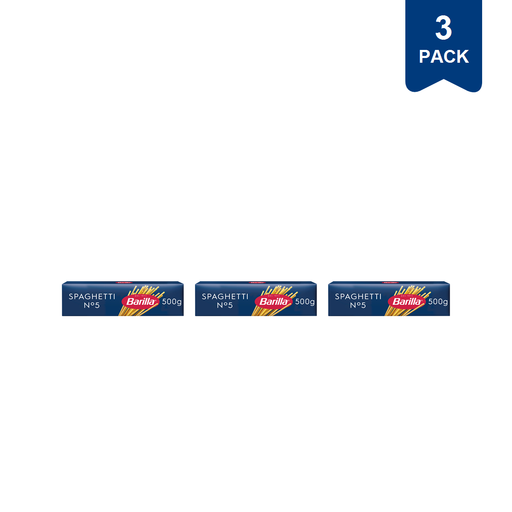 Image unavailable
For households planning several cooked-and-cooled pasta lunches. The bundle contains three 500g packs of spaghetti; check the cooking instructions and current allergen label before preparation.
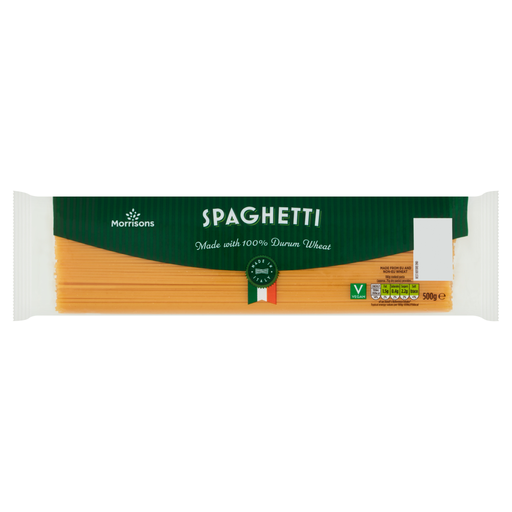 Image unavailable
A single pack of dry spaghetti for a lunch prepared in advance. Check the pack for cooking and portion instructions, then cool and store the finished lunch appropriately.
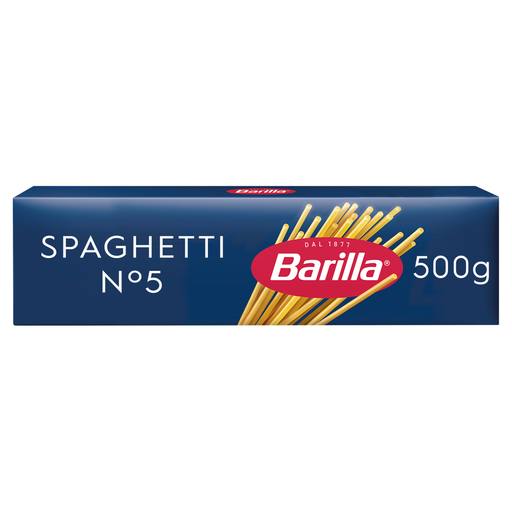 Image unavailable
A single dry-spaghetti pack for a cooked-and-cooled pasta lunch, rather than the three-pack bundle above. Check its own cooking instructions and ingredient label before packing.
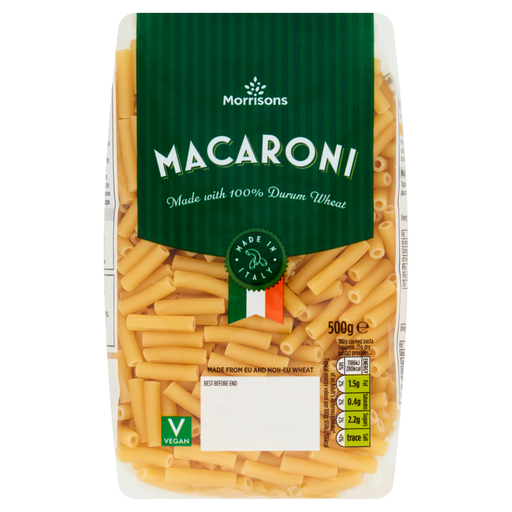 Image unavailable
A 500g dry-macaroni pack to consider for a cooked-and-cooled pasta lunch. Check the pack’s cooking instructions and the labels of any ingredients mixed into the finished meal.
Do not treat ordinary dry pasta as suitable without checking the exact product. The cited Tesco Groceries and ASDA Groceries spaghetti products contain wheat; choose against the pupil’s individual requirements, the current pack label and the school’s allergy arrangements.
For England, the Department for Education’s June 2026 statutory guidance says food brought from home, including packed lunches, should be considered when schools develop allergy-safety approaches. Ask the individual school for its current written arrangements; that guidance does not establish identical requirements elsewhere in the UK.
Keep it refrigerated overnight and plan how to carry it cool. Norfolk and Norwich University Hospitals NHS Foundation Trust advises using a cool bag and ice pack for a packed lunch; follow any additional instructions relevant to the finished meal or the school.
No: dry pasta needs cooking, while the Heinz tinned spaghetti described by ASDA Groceries contains water and tomato ingredients as well as pasta. Choose the format according to how the lunch can be prepared, stored and served at school, and check the complete product label.