
24/7 Customer Support

Free returns

Same-day & Next-day Delivery

Quality Guaranteed

Unlock Your Welcome Offers: FREE Delivery | Up to 80% OFF | Free 30-day JoyPlus trial
Download the APP
Choosing dry pet food can look simple until you compare life stages, ingredient percentages, pack sizes and feeding instructions. Attractive packaging may highlight “natural” ingredients, a named flavour or added vitamins, while leaving out details that affect everyday suitability and value.
Three common buying traps are worth avoiding:
For everyday feeding, look for wording such as complete pet food for adult dogs, complete food for senior dogs or complete food for kittens. This indicates that the product is intended to provide the required nutrients when fed as directed.
Life-stage matching matters:
Do not substitute a complementary product for a complete diet without checking the label or asking a veterinary surgeon. If your pet has a diagnosed condition, allergy or persistent digestive problem, seek individual veterinary advice before changing food.
Ingredients are listed in descending order by weight. Compare the named animal ingredient and the analytical constituents, including:
“Natural pet food” and grain-free pet food are not automatic indicators of suitability. A grain-free recipe can still be unsuitable for an individual pet, while cereals may be included in a complete recipe that meets the animal’s nutritional needs. Look for transparent composition details and a feeding guide rather than relying on broad marketing language.
Feeding tables are guidelines, not fixed prescriptions. Portions should be adjusted according to your pet’s weight, body condition, age and activity. Treats also contribute calories.
For example, the listed guidance for BETA Adult Dry Dog Food with Chicken includes approximately 175g to 200g daily for a 10kg adult dog, depending on activity. Whiskas 1+ Salmon provides guidance of around 45–50g for a 3kg adult cat, rising to 65–75g for a 5kg cat. Always prioritise the current packaging instructions, as formulations and guidance can change.
Store opened dry food in a cool, dry place, reseal the bag and provide fresh drinking water. Introduce a new recipe gradually over about seven days to help reduce the chance of digestive upset.
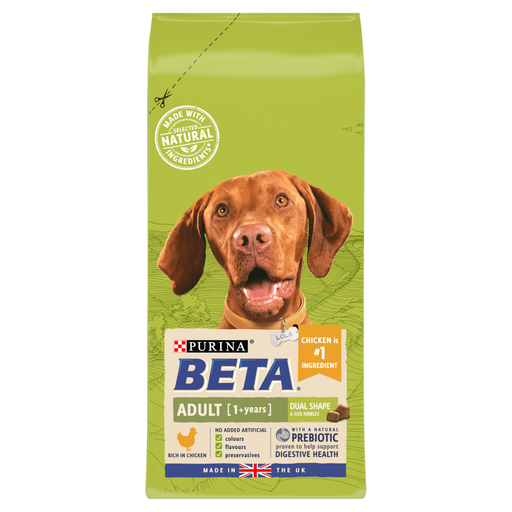
Why This Fits Their Persona: A practical everyday option for UK households looking for a complete dry dog food in a manageable 2kg pack, with feeding guidance for several adult dog weights.
It is labelled as complete food for adult dogs aged one year and above, rather than a complementary mixer or treat.
The stated analysis includes 26% protein and 13% fat; dual-size kibbles and natural prebiotic ingredients are also listed.
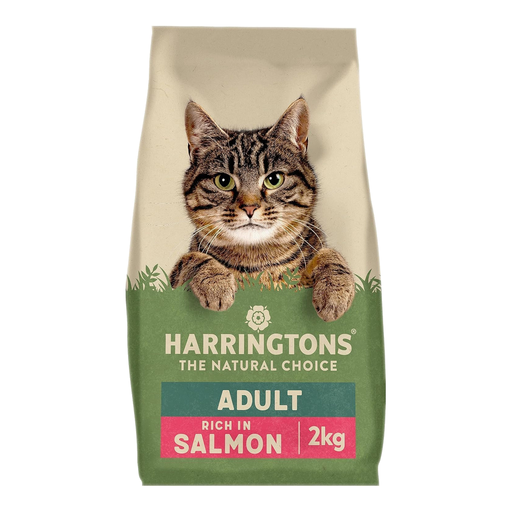
Why This Fits Their Persona: Suitable for adult cat owners comparing a grain-free recipe, salmon-based composition and a larger 2kg pack for regular feeding.
The product information identifies it as complete dry food for adult cats aged one to seven years, so it is not presented as kitten or senior food.
The listed composition includes 28% salmon meal, at least 30% protein and taurine; feeding guidance is provided for 3kg, 4kg and 5kg cats.
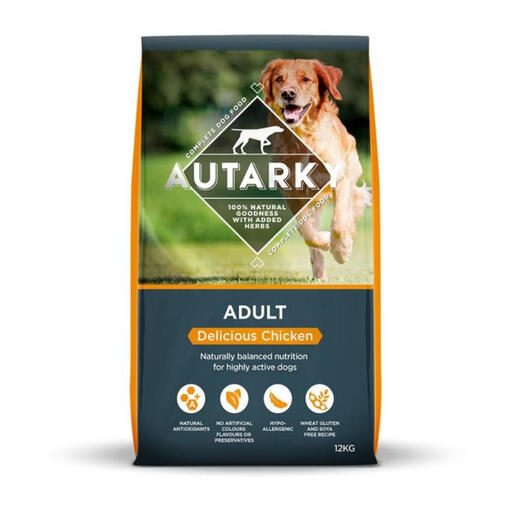
Why This Fits Their Persona: The 12kg size is suited to active adult dogs, working-dog households or owners who prefer fewer repeat orders.
The label identifies it as a complete adult dog diet and states that portions should be adjusted for age, weight and activity.
It lists a minimum 26% chicken, 24% protein and 12% fat, with wheat-gluten- and soya-free composition details.
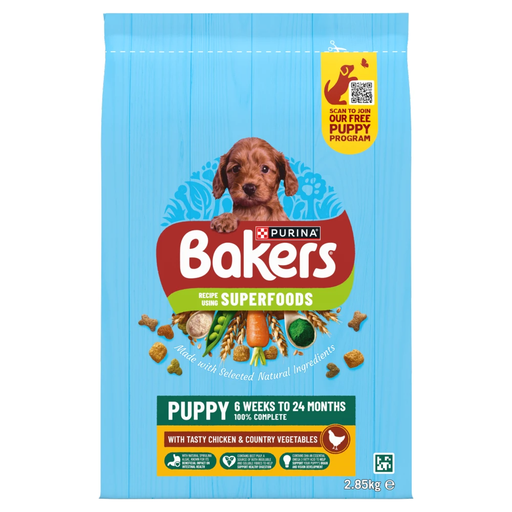
Why This Fits Their Persona: A puppy-specific option for owners who need age-based feeding quantities and smaller pieces for growing dogs.
It is specifically described as complete food for puppies and includes guidance by age and expected adult body weight.
The stated analysis includes 25% protein, 12% fat and DHA; the guide covers several growth stages and daily feeding frequencies.
We have compiled a complete, real-time list of products that fully satisfy these strict selection criteria and UK safety regulations.
It depends on the recipe, pack size and daily portion. Dry food is often easier to store and measure, while a larger bag can reduce the cost per kilogram. Compare the recommended daily amount rather than the shelf price alone, and account for treats or any wet food used alongside it.
There is no single safe lifespan for every product. Follow the packaging guidance, keep the bag sealed and store it away from heat, sunlight and moisture. Buy a pack size your pet can finish while the kibble remains dry, fresh-smelling and palatable.
Adult formulas should not automatically be used for growing animals. Choose food labelled for puppies or kittens, follow the age-based feeding instructions and transition gradually. For unusual growth, allergies or health concerns, consult a veterinary surgeon.