Budget peanut snack shoppers
If you are comparing packs for a budget shop, check the fat, salt and ingredients per 100g as well as the pack size. A familiar roasting style does not tell you what the nutrition panel says.


Do not treat dry-roasted nuts as reduced fat: compare the declared fat per 100g on the packs you are considering. In the ASDA listings examined, dry-roasted peanuts declared 46g fat per 100g, while salted peanuts and mixed nuts each declared 53g; the mixed nuts declared less salt, so the choice also depends on which label details matter to you.
If you are comparing packs for a budget shop, check the fat, salt and ingredients per 100g as well as the pack size. A familiar roasting style does not tell you what the nutrition panel says.
Compare the exact packs rather than assuming that dry-roasted or mixed nuts will have less fat. ASDA’s listed dry-roasted peanuts declared 46g fat per 100g, against 53g for its listed salted peanuts and mixed nuts.
Check the ingredients and precautionary allergen statements on each pack, particularly when choosing between peanuts, mixed nuts and seasoned products. The Food Standards Agency distinguishes peanuts, which are legumes, from tree nuts.
Start with the per-100g nutrition panel, then check ingredients and allergens on the particular pack you intend to buy.
| Priority | What to check | Your needs |
|---|---|---|
| Declared fat | Compare fat per 100g on the exact packs. ASDA lists 46g for its dry-roasted peanuts and 53g for both its salted peanuts and mixed nuts; those figures do not make dry-roasted a reduced-fat claim. | I want to choose between these nut snacks using their declared fat figures, not the roasting description. |
| Pack format | Check the pack weight and whether it contains peanuts or a mixture of nut types. Compare the nutrition figures on the same per-100g basis. | If I want several nut types rather than peanuts alone, I still need to compare the mixed pack’s label. |
| Salt and ingredients | Read salt per 100g and the ingredient list. ASDA lists 0.03g salt for its mixed nuts, 0.77g for dry-roasted peanuts and 0.80g for salted peanuts; the two peanut packs also have different added ingredients. | A lower salt figure or a shorter ingredient list might matter more to me than the lowest fat figure among these packs. |
| Allergens | Check named ingredients and precautionary statements on the individual pack. Peanuts and tree nuts are distinct allergens, as the Food Standards Agency explains. | For my household, the exact allergen declaration matters more than the general name “nuts”. |
Roasting style is not a substitute for the nutrition panel. ASDA’s listed dry-roasted peanuts declared 46g fat per 100g, while the listed KP dry-roasted peanuts declared 48g.
Compare fat per 100g on the exact products and read any reduced-fat claim separately from the roasting description.
The ASDA dry-roasted peanut listing includes seasoning ingredients and declares 0.77g salt per 100g. Its salted peanuts declare 0.80g salt per 100g, while its mixed nuts declare 0.03g.
Read fat, salt and ingredients together before deciding which difference matters to you.
The Food Standards Agency identifies peanuts as legumes, distinct from tree nuts such as almonds and cashews. A mixed pack can contain both.
For an allergy-related choice, check the exact pack’s ingredients and precautionary allergen statements rather than relying on its category name.
Its listed own-label options include salted peanuts, dry-roasted peanuts and a mixed-nut pack.
Its grocery nut category includes own-label peanuts and mixed nuts alongside branded KP products.
Its listed mixed-nut pack contains several tree-nut varieties.
Its peanut range includes original, flavoured and dry-roasted varieties.
Its described range includes roasted and seasoned dry-roasted peanuts.
These peanut snacks offer different flavours, seasonings and pack sizes to consider. Compare each pack’s per-100g nutrition and ingredients before treating any of them as a lower-fat choice.
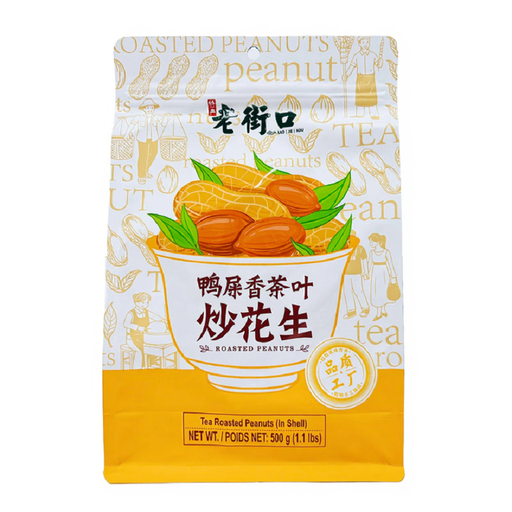 No image available
If you are considering a tea-infused peanut snack, compare its per-100g fat and salt figures with those of other packs; the flavour description is not a reduced-fat claim.
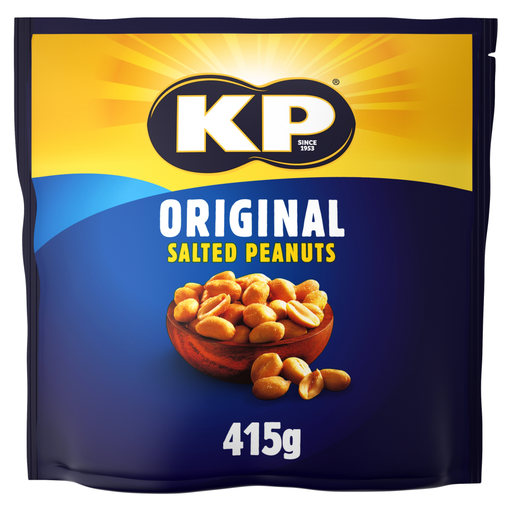 No image available
For a salted peanut snack, check both fat and salt per 100g when comparing this pack with roasted or unsalted alternatives.
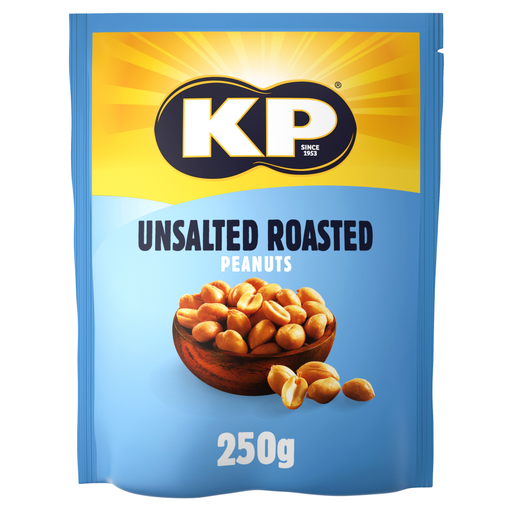 No image available
If you prefer an unsalted variety, this is one to compare with salted packs. Check its fat figure independently: unsalted does not mean reduced fat.
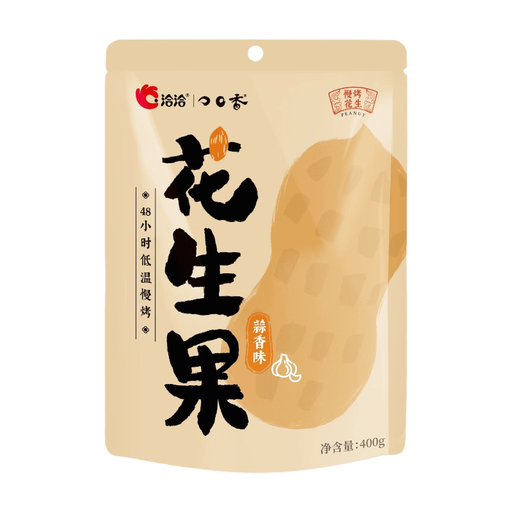 No image available
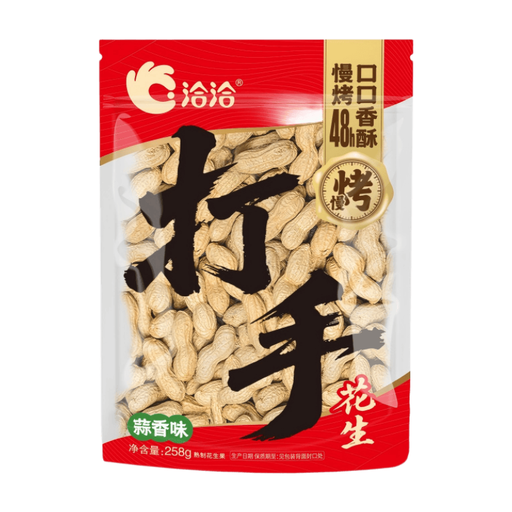
The garlic flavour makes this a different choice from plain peanuts. Read its ingredient list and per-100g nutrition if seasoning or fat content affects your decision.
 No image available
If you are choosing between garlic-flavoured packs, compare their labels directly. “Slow roasted” does not establish a lower fat or salt figure.
No. ASDA’s listed dry-roasted peanuts declare 46g fat per 100g, below the 53g declared for its listed salted peanuts and mixed nuts, but that comparison does not make dry roasting a reduced-fat claim. Check the per-100g panel and any claim on the particular pack.
ASDA’s listed dry-roasted peanuts declare 46g fat and 0.77g salt per 100g; its salted peanuts declare 53g fat and 0.80g salt per 100g. Their ingredient lists also differ, so compare the exact packs if seasoning or added ingredients matter to you.
No. The Food Standards Agency identifies peanuts as legumes and tree nuts as a separate group that includes almonds and cashews. Check both the ingredients and any precautionary allergen statement on the exact pack.
Use an online panel to compare options, then read the physical pack before eating. Product ingredients, nutrition and allergen information can change, so the pack in hand is the relevant one to check.