
24/7 Customer Support

Free returns

Same-day & Next-day Delivery

Quality Guaranteed

Unlock Your Welcome Offers: FREE Delivery | Up to 80% OFF | Free 30-day JoyPlus trial
Download the APP
Dry, sensitive skin often needs more than a product that simply feels rich when first applied. A suitable moisturiser for dry and sensitive skin should support comfortable daily use, match the area being treated and avoid ingredients that may trigger unwanted reactions.
However, skincare packaging can make comparison difficult. Large claims about “intensive hydration”, natural ingredients or clinical results do not always tell you whether a formula will suit your face, body or blemish-prone areas. Use the following checks before buying.
Body lotions are usually supplied in larger bottles and can offer good value, but their texture and ingredient balance may not be suitable for the face. Ingredients such as rich butters, petrolatum or certain emollient esters can feel heavy on some complexions.
A face moisturiser should be selected for facial use, particularly if your skin is oily, blemish-prone or prone to blocked pores. Look for terms such as non-comedogenic, fragrance-free or suitable for sensitive skin where these are important to you.
Coconut oil, cocoa butter, oat and botanical extracts can all feature in a hydrating moisturiser, but natural origin does not guarantee compatibility. Fragrance and naturally occurring fragrance allergens may still be included.
Always check the current ingredient list on the packaging. If your skin reacts easily, a fragrance-free moisturiser with a relatively simple formula may be easier to introduce than a heavily scented product.
A thick cream may feel protective, while a gel cream can absorb more quickly and feel comfortable under make-up. Neither texture is automatically more effective for every user. Hydration also depends on how consistently you apply the product and whether you use it after washing, when skin may lose moisture more quickly.
Start with the intended use. Facial products commonly come in 30–50ml packs, while a body lotion or dry skin lotion may contain 200–400ml. A smaller face cream may cost more per millilitre but can offer a more suitable texture and finish for daily facial use.
For very dry hands, elbows, knees or legs, a richer body formula may be practical. For the face, select a product designed for facial skin and follow the usage instructions provided.
A balanced moisturiser often combines different ingredient types:
An oat moisturiser may contain oat flour or oat extract, while a barrier repair cream may include ingredients intended to support the skin’s protective surface. These descriptions are useful starting points, but they do not replace checking the full ingredient list or considering your own skin history.
If fragrance is a concern, look specifically for fragrance-free rather than assuming a product with botanical extracts has no scent. If you have blemish-prone skin, a non-comedogenic moisturiser may be preferable, although individual reactions can still vary.
A daytime product with SPF can add convenience, but SPF20 is not a substitute for a dedicated sunscreen during prolonged outdoor exposure. Apply sunscreen separately when appropriate and follow the product’s directions.
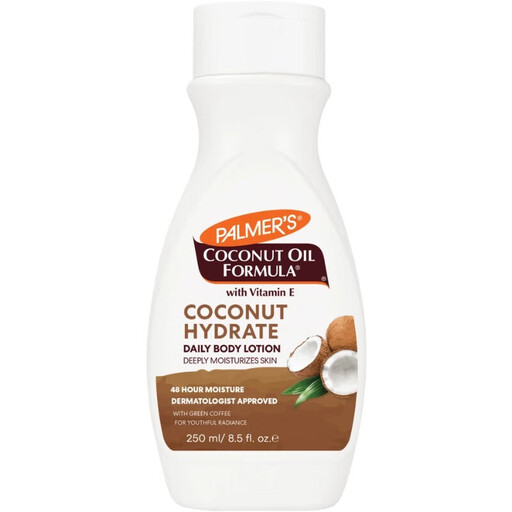
Why This Fits Their Persona: A practical daily body lotion for shoppers wanting a familiar, scented formula for general dryness after bathing or showering.
Its intended use is clearly body care, helping avoid using a rich body product as a facial moisturiser. Check the fragrance allergens before purchase if your skin is reactive.
Includes coconut oil, shea butter, glycerin and cocoa seed butter; the product description also lists no parabens, phthalates or dyes.
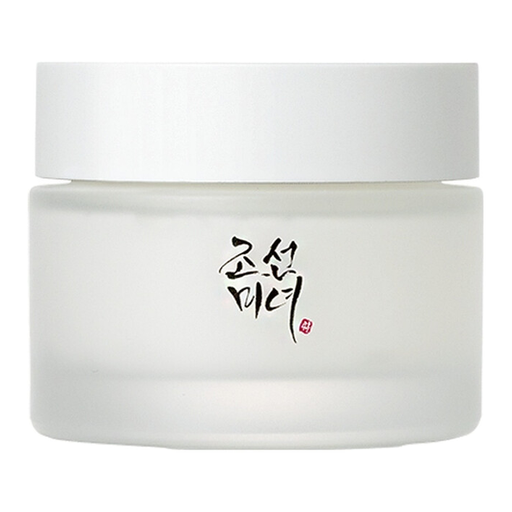
Why This Fits Their Persona: Suits facial skincare shoppers who prefer a dense, dewy cream that can also be used as a sleeping mask or mixed with make-up.
The product is clearly positioned for the face, so it is easier to compare with other face moisturiser options rather than relying on body-care packaging.
Contains rice bran water, ginseng root water, niacinamide, squalane and ceramide NP; the listed formula is fragrance-free.
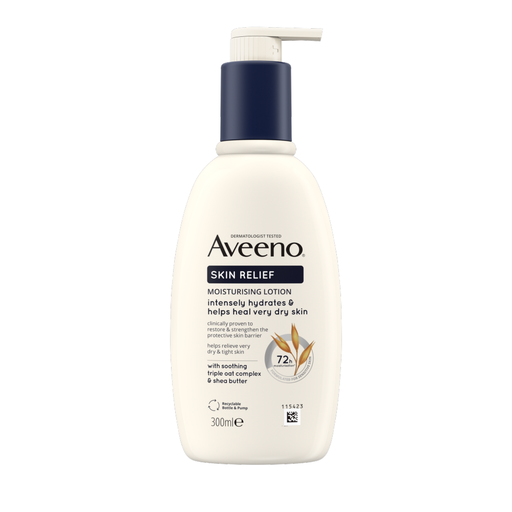
Why This Fits Their Persona: A body-care option for people managing very dry skin on larger areas, particularly after showers or during colder UK weather.
It is fragrance-free and designed for very dry, sensitive body skin, addressing the common mistake of prioritising scent over tolerance.
Contains colloidal oatmeal, glycerin, petrolatum and dimethicone; the listed formula contains no added fragrance or dyes.
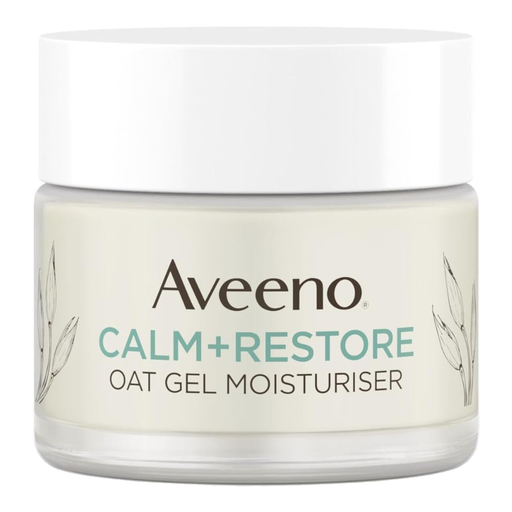
Why This Fits Their Persona: Suitable for shoppers wanting a lightweight facial moisturiser that works morning and night without a greasy finish.
Its gel-cream texture avoids the assumption that intensive hydration must feel oily, while the listing identifies it as fragrance-free and non-comedogenic.
Includes prebiotic oat, glycerin and dimethicone; the product description states that it is dermatologist tested and suitable for normal-to-dry sensitive skin.
We have compiled a complete, real-time list of products that fully satisfy these strict selection criteria and UK safety regulations.
Apply a daily moisturiser to clean skin, ideally soon after washing. This can help reduce the tight feeling that some people notice after bathing. Use a smaller amount on the face and build gradually rather than applying a thick layer immediately.
Introduce one new product at a time. For reactive or eczema-prone skin, patch test on a small area and monitor the skin before wider use. Avoid applying products to broken or inflamed skin unless advised by a healthcare professional. Stop use if persistent redness, itching, burning or discomfort develops.
A night cream can be richer because it does not need to sit beneath make-up or daytime sunscreen. During the day, choose a texture that suits your routine and apply dedicated sun protection when needed.
Look for a formula with humectants such as glycerin, alongside emollients or occlusives that help reduce moisture loss. Fragrance-free products may be preferable if scent or fragrance allergens are a concern. The most suitable choice also depends on whether you need a face moisturiser or body lotion.
Most products can be used once or twice daily according to their label instructions. Applying after a shower or bath is convenient, particularly for dry body skin. Reapply to areas that become dry during the day if the product directions allow it.
Shelf life varies by formula and packaging. Check the period-after-opening symbol, expiry information, batch details and storage guidance printed on the product. Keep creams and lotions closed, away from excessive heat and direct sunlight, and replace them if their smell, colour or texture changes.