
24/7 Customer Support

Free returns

Same-day & Next-day Delivery

Quality Guaranteed

Unlock Your Welcome Offers: FREE Delivery | Up to 80% OFF | Free 30-day JoyPlus trial
Download the APP
Dry skin can be uncomfortable, tight and prone to cracking, particularly during colder UK weather, frequent hand washing or exposure to central heating. However, choosing a suitable dry skin cream is not simply a matter of selecting the richest-looking formula. The right option depends on where you will use it, how sensitive your skin is and whether you need everyday moisturisation or targeted care.
This guide explains the main buying traps, the product details worth checking and a selection of creams matched to different needs.
A thick cream may feel comforting initially but can leave an unwanted film, transfer onto clothing or discourage regular use. Conversely, a lightweight gel may absorb quickly but not provide enough protection for severely dry areas.
Look for a balance between humectants, such as glycerin or urea, which help attract and retain water, and occlusive ingredients, such as petrolatum, paraffin or dimethicone, which help reduce moisture loss from the skin’s surface.
Sensitive skin can react to fragrance, essential oils, preservatives or particular emollients. Marketing descriptions are not a substitute for reading the ingredient list. If you need a fragrance-free moisturiser or a moisturiser for sensitive skin, check the packaging and not just the front label.
A patch test on a small area can help identify obvious irritation. Stop using a product if redness, burning, rash or worsening discomfort develops.
Hands, feet, face and irritated skin have different practical requirements. A hand cream for dry cracked hands should absorb well enough for daytime use, while a foot cream for dry cracked heels may benefit from urea and a more concentrated texture. Facial skin may prefer a lighter, non-comedogenic formula.
Specialist products such as an eczema cream, itchy skin relief cream, antiseptic healing cream or hair removal cream also have specific directions and should not be treated as interchangeable everyday moisturisers.
For general dryness, useful ingredients may include:
Ingredients do not guarantee the same result for every person. If you have a diagnosed skin condition, follow advice from a pharmacist or healthcare professional.
A non-greasy lotion may work well on large areas during the day, while a balm can be more practical overnight. For hands, fast absorption is useful after washing, commuting or working. For feet, apply cream to clean, dry skin and allow it to absorb before putting on socks.
For the face, look for products specifically labelled for facial use. A face moisturiser for sensitive skin should be checked for fragrance, essential oils and other ingredients that may not suit reactive complexions.
Always check age recommendations, warnings and the current ingredient list. Products containing paraffin or liquid paraffin may create a fire risk when residue transfers to clothing, bedding or dressings; keep away from naked flames and smoking materials where the label advises this.
Medicinal or targeted products may have stricter instructions. For example, E45 Itch Relief Cream should not be applied to broken or inflamed skin according to its product information, while hair removal creams require a patch test and strict maximum application time. If symptoms persist or become more severe, seek medical advice.
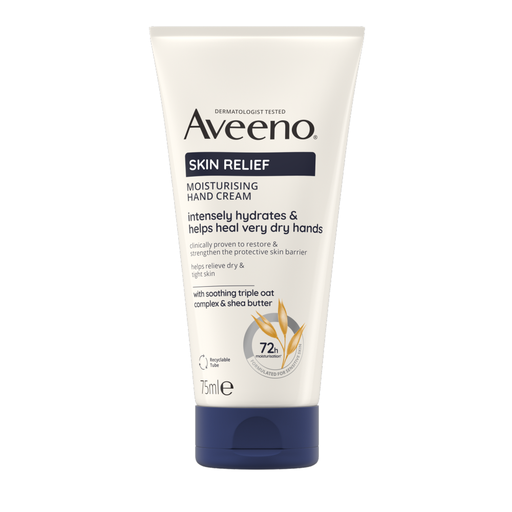
Why This Fits Their Persona: A practical choice for shoppers wanting a compact hand cream for daily use, particularly after washing hands in cold or dry UK conditions.
Its unscented, fast-absorbing format avoids relying on fragrance or an overly greasy finish to create a rich feel.
Contains triple oat complex and shea butter; listed as fragrance-free, hypoallergenic and vegan.
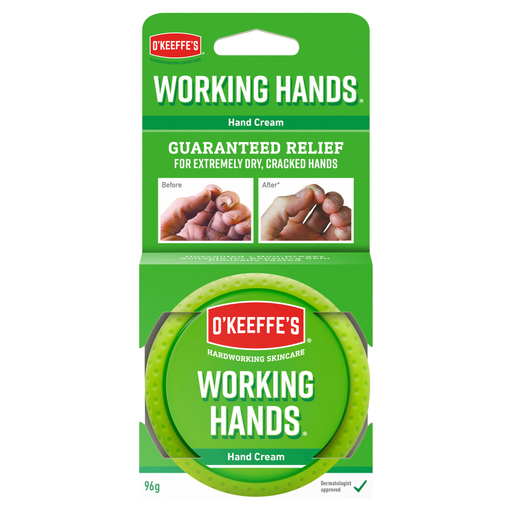
Why This Fits Their Persona: Suitable for people whose hands face repeated washing, outdoor work, DIY or exposure to cold weather.
The concentrated format is designed to be applied sparingly, helping avoid waste caused by repeatedly applying large amounts.
Unscented, non-greasy formula with glycerin, paraffin wax, mineral oil and allantoin.
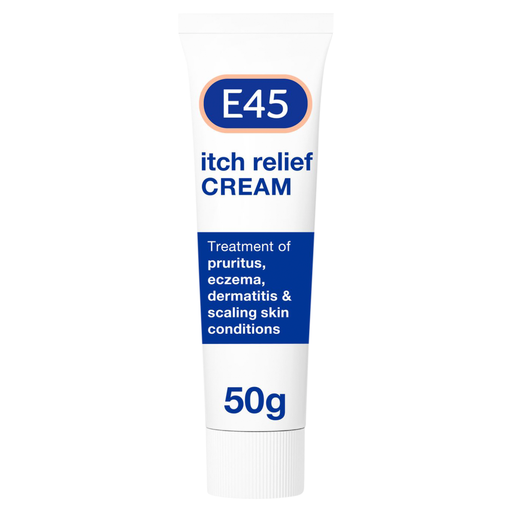
Why This Fits Their Persona: A targeted option for shoppers seeking an itchy skin relief cream with moisturising ingredients rather than a general body lotion.
Its label clearly identifies active ingredients and usage limits, making it easier to distinguish targeted care from cosmetic moisturisation.
Contains 3% lauromacrogols and 5% urea; fragrance-free and listed for adults, children and infants over one month.
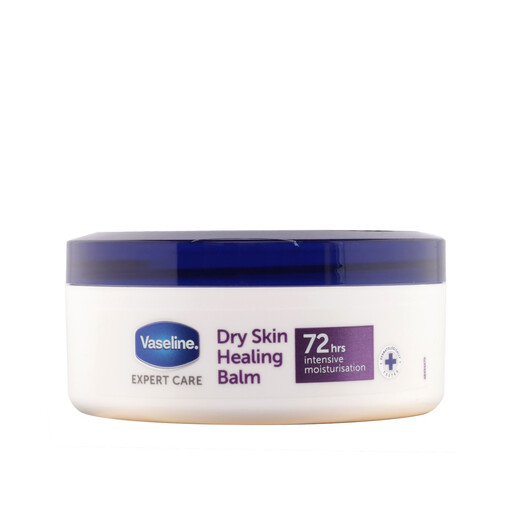
Why This Fits Their Persona: The 250ml size suits regular application across larger areas of dry body skin, including elbows, knees and shins.
The fragrance-free, fast-absorbing format addresses the common issue of abandoning thick body creams because they feel sticky.
Contains glycerin, Pro-Lipids and Vaseline Jelly; designed for daily body application.
Other targeted choices include CCS Foot Care Cream with 10% urea for rough feet, E45 Cream 500g for larger household use and Aveeno Calm & Restore Oat Gel Moisturiser for sensitive facial skin. For cosmetic coverage, a tinted moisturiser for men may combine sheer colour with hydration, while a dark spot correcting cream serves a different facial-care purpose. A hair removal cream should always be selected and used according to its specific label instructions.
We have compiled a complete, real-time list of products that fully satisfy these strict selection criteria and UK safety regulations.
Apply after washing or bathing while the skin is clean and slightly dry, then reapply when the skin feels tight. Hand creams may be used several times daily, while product-specific treatments should follow their labelled directions.
Not necessarily, but avoiding added fragrance can reduce one potential source of irritation. Always check the complete ingredient list and discontinue use if a product causes discomfort.
A 50–75ml tube may suit targeted hand or facial use, while a 175–500g container is more practical for frequent body application. Actual lifespan depends on the area covered, application frequency and whether more cream is being used than necessary.