
24/7 Customer Support

Free returns

Same-day & Next-day Delivery

Quality Guaranteed

Unlock Your Welcome Offers: FREE Delivery | Up to 80% OFF | Free 30-day JoyPlus trial
Download the APP
Dry, flaky, tight or itchy skin can make everyday routines uncomfortable, particularly during cold weather, frequent handwashing and indoor heating. However, choosing a dry skin cream is not simply a matter of selecting the richest-looking jar. The wrong formula may feel pleasant at first but fail to provide lasting comfort, irritate sensitive areas or prove impractical for regular family use.
Joybuy Product Recommendation Officer’s guide focuses on the details that matter: ingredients, intended use, texture, packaging and safety information.
A thick cream is not automatically a suitable skin barrier cream. Some rich formulas leave a waxy film that feels uncomfortable under clothing or makes daytime use difficult. Others contain a high proportion of fragrance or essential oils, which may not suit easily irritated skin.
Look for a formula that combines humectants, such as glycerine or urea, with occlusive ingredients, such as paraffin, petrolatum or dimethicone. Humectants help attract water, while occlusives help reduce moisture loss from the skin’s surface.
Honey, botanical extracts and plant oils may sound reassuring, but natural ingredients can still be unsuitable for some users. Essential oils and fragrance components are particularly worth checking if you are choosing a sensitive skin moisturiser or buying for a child.
Always read the full ingredient list. If your skin is reactive, a fragrance-free moisturiser with a shorter formula may be easier to introduce than a heavily scented botanical cream.
A daily moisturiser may help soften dry skin, but it is not a replacement for medical advice. Products marketed as an eczema cream or itchy skin cream may contain active ingredients intended for particular symptoms. Follow the packaging directions and ask a pharmacist or GP if symptoms persist, worsen, spread or appear infected.
Do not apply products to open wounds or severely inflamed skin unless a healthcare professional advises you to do so.
For very dry, cracked or rough body skin, look for an emollient containing ingredients such as white soft paraffin, liquid paraffin, petrolatum, glycerine or urea. These can be useful when you need a protective, non-fragranced product for hands, legs, elbows or other dry areas.
For a facial barrier repair cream, ingredients such as ceramides, cholesterol, fatty acids, panthenol, squalane or beta-glucan may be preferable. Lightweight gel creams can suit combination or acne-prone skin, while richer creams may be more comfortable for very dry facial areas.
A face cream is not always suitable for the body, and a body emollient may feel too heavy for the face. Check whether the product is designed for:
A face and body moisturiser can be convenient for households, but a dedicated facial formula may offer a lighter texture or ingredients better suited to pores and make-up application.
A 50ml facial cream may be practical for a handbag or bedside table, whereas a 500g pump dispenser is more economical for frequent full-body application. Pump packaging can also reduce repeated contact with the product, while a tub may make it easier to take a larger amount for very dry areas.
If using paraffin-based emollients, read the fire-safety warning carefully. Clothing, bedding and dressings with dried product residue can catch fire more easily. Keep treated fabrics away from naked flames and smoking materials.
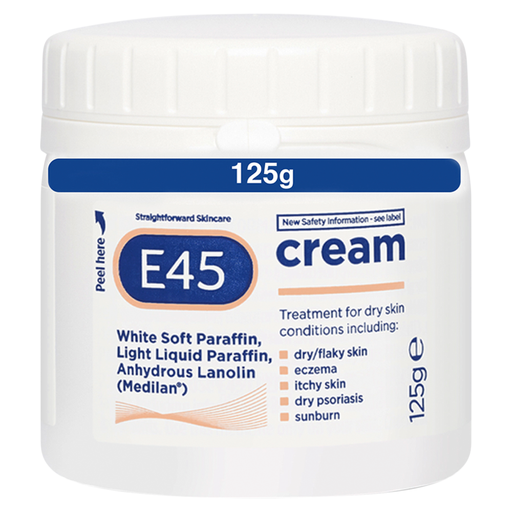
Why This Fits Their Persona: A practical option for shoppers starting a straightforward daily emollient routine for dry hands, face or body areas.
It is perfume-free and lists white soft paraffin, light liquid paraffin and anhydrous lanolin, rather than relying on fragrance-led appeal.
125g format; non-greasy emollient texture; suitable for regular household skincare according to the product information.
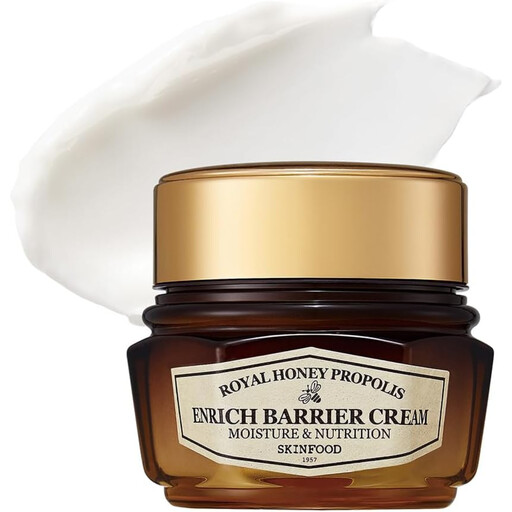
Why This Fits Their Persona: Suitable for shoppers seeking a richer facial cream focused on dryness and barrier care rather than a basic body lotion.
The ingredient list can be checked for ceramide NP, panthenol, hydrogenated lecithin, shea butter and plant lipids instead of judging the product by packaging alone.
63ml facial format; rich yet non-greasy texture; includes ceramide NP and panthenol.
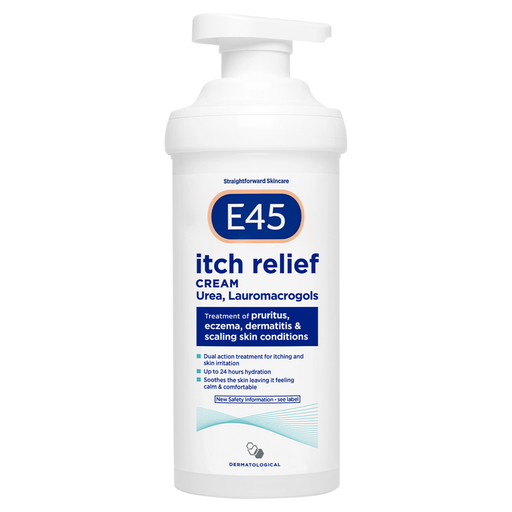
Why This Fits Their Persona: The large pump format is designed for people who apply cream frequently to larger areas or share a household supply.
The label identifies 5% urea and 3% lauromacrogols as active ingredients, making its intended itch-relief use clearer than a general moisturiser.
500g pump dispenser; fragrance-free; intended for dry, itchy skin and use twice daily according to the supplied directions.
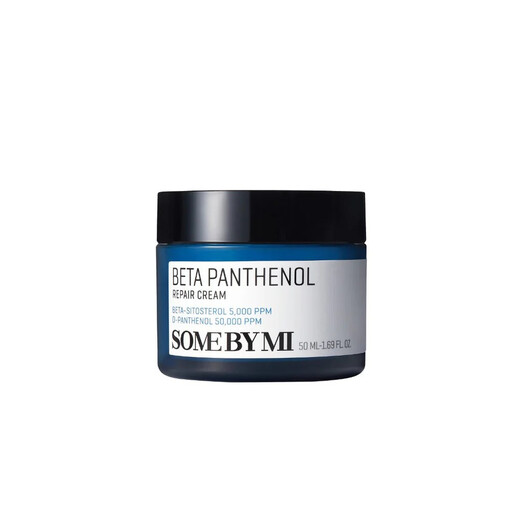
Why This Fits Their Persona: A facial option for users who prefer a lighter finish and want barrier-focused ingredients alongside daily skincare.
It is listed as free from artificial fragrance, synthetic pigment, alcohol and parabens, while the ingredient list includes ceramides, squalane and panthenol.
50ml facial cream; lightweight texture; includes multiple forms of hyaluronic acid and ceramide ingredients.
We have compiled a complete, real-time list of products that fully satisfy these strict selection criteria and UK safety regulations.
Apply emollients after washing while the skin is still slightly damp, unless the product instructions state otherwise. Smooth the cream gently rather than rubbing vigorously, especially if the skin feels sore. Reapply after handwashing or whenever dryness returns.
For a new product, patch test a small area first. Stop using it if you experience persistent redness, swelling, itching or stinging. Avoid the eyes and broken skin unless the packaging specifically permits application there.
Many moisturisers can be applied once or twice daily, while emollients for very dry skin may be used more often. Follow the product label and apply after washing or whenever the skin feels dry.
Fragrance-free products can reduce exposure to a common source of irritation, but they are not guaranteed to suit everyone. Check the complete ingredient list and patch test before wider use.
Lifespan depends on the product, packaging, storage and frequency of use. Check the expiry date and the open-jar symbol where provided. Keep creams closed, cool and away from direct sunlight, and discard them if their smell, colour or texture changes.