
24/7 Customer Support

Free returns

Same-day & Next-day Delivery

Quality Guaranteed

Unlock Your Welcome Offers: FREE Delivery | Up to 80% OFF | Free 30-day JoyPlus trial
Download the APP
Navigating the white wine aisle can feel overwhelming. Shelves are packed with bottles from every corner of the globe, and labels often use terms that can be more confusing than helpful. Many of us fall into familiar habits, either reaching for the same grape variety every time or choosing based on a fancy label, only to be disappointed by a wine that’s too sharp, too flat or simply not what we expected.
As the Joybuy Product Recommendation Officer, my role is to help you sidestep these common issues. Let's look at two frequent pitfalls when you set out to buy a bottle of dry white wine and how to avoid them.
To confidently buy white wine online or in-store, it helps to understand a few core characteristics beyond just the grape. Focusing on these will help you find a wine that truly suits your palate.
Acidity is what gives a crisp white wine its mouth-watering, refreshing quality. It's the sensation that makes you want to take another sip.
Body refers to the weight and texture of the wine in your mouth. It’s influenced by factors like alcohol content and winemaking techniques.
The aromas of a wine are a direct clue to its flavour. Most dry white wines fall into a few key categories:
Based on these principles, we've matched some excellent wines to different needs and occasions.
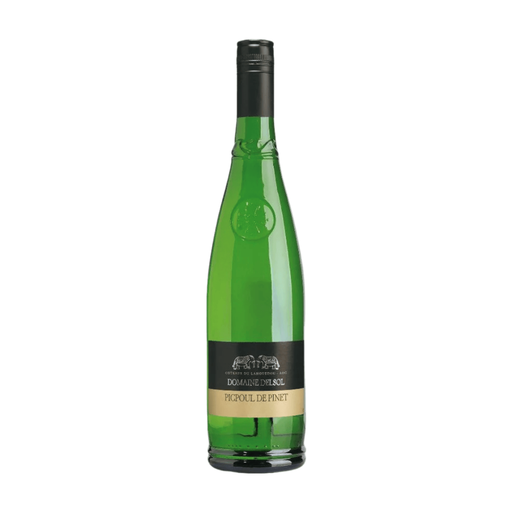
Why This Fits Their Persona: This wine is practically made for seafood. Hailing from the French Mediterranean coast, its name translates to "lip stinger," a nod to its brilliant acidity. It's the perfect choice for someone hosting an oyster night or serving grilled fish, wanting a wine that elevates the meal.
It proves that "dry" is anything but boring. Its zesty lemon notes and distinct saline, mineral finish provide immense flavour and complexity without any sweetness, breaking you out of the grape variety rut.
Exceptional food-pairing ability, especially with shellfish. Its signature high acidity and refreshing mineral character offer a unique taste of its coastal terroir.
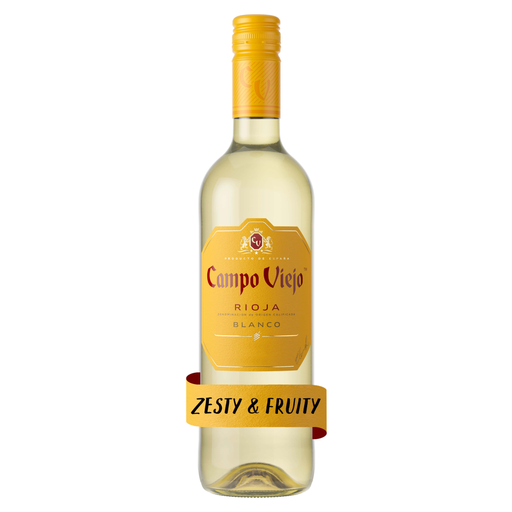
Why This Fits Their Persona: For those who need a reliable, crowd-pleasing bottle for a spontaneous Tuesday supper or having friends over at the weekend. This modern white Rioja is exceptionally versatile, with a balanced profile of citrus and white peach that appeals to a wide range of palates.
It breaks the habit of only reaching for Pinot Grigio. This blend of Viura and Tempranillo Blanco offers a similarly approachable but more characterful alternative from Spain, proving there's great value and flavour to be found in less-common grapes.
Extremely food-friendly, pairing well with everything from grilled chicken to tapas and cheese boards. It offers consistent quality and broad appeal at an accessible price point.
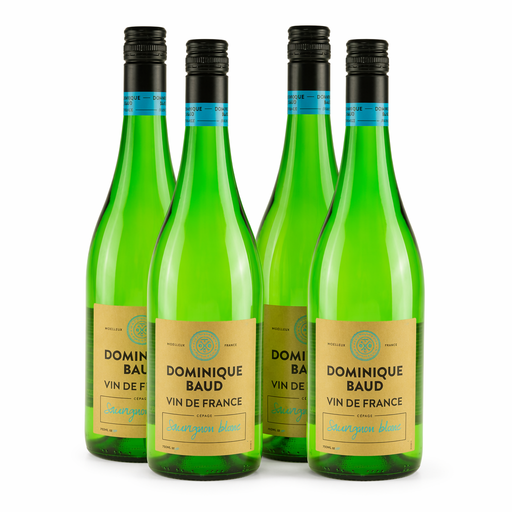
Why This Fits Their Persona: For the drinker who appreciates the elegance of a classic French white wine. This Sauvignon Blanc from the Loire Valley delivers the textbook profile of gooseberry, cut grass and flinty minerality that the region is famous for. The white wine case deal makes it a smart choice for stocking up.
This wine demonstrates that you don't need to buy from the most famous (and expensive) appellations to get authentic regional character. It offers the classic Loire profile with precision and elegance, providing excellent value.
A true expression of its terroir, with vibrant acidity and a long, clean finish. It's a superb partner for goat cheese, salads and shellfish.
We have compiled a complete, real-time list of products that fully satisfy these strict selection criteria and UK safety regulations.
Most dry white wines are best served chilled, but not ice-cold, as over-chilling can mute their aromas and flavours. For light-bodied, crisp whites like Pinot Grigio or Picpoul, aim for 8-10°C. For more aromatic and medium-bodied wines like Sauvignon Blanc, 10-12°C is ideal. Fuller-bodied whites like oaked Chardonnay show their complexity best when slightly warmer, around 12-14°C. A simple rule is to take the bottle out of the fridge about 20 minutes before serving.
Once opened, a bottle of dry white wine can last for 3 to 5 days if properly sealed and stored in the refrigerator. The key is to minimise its exposure to oxygen. Use the original screw cap or a wine stopper to seal the bottle tightly. High-acidity wines tend to last a little longer than lower-acidity ones. After a few days, the wine won't be harmful to drink, but it will have lost much of its fresh, vibrant character.
Not at all. For fresh, aromatic white wines intended for early consumption, a screw cap is an excellent closure. It provides a perfect seal, preventing oxygen from entering the bottle and preserving the wine's crisp fruit flavours and aromas. It also eliminates the risk of "cork taint," a fault that can give wine a mouldy, musty smell. While natural cork is traditional and necessary for wines intended for long-term ageing, the screw cap is a reliable sign of a well-preserved, ready-to-drink white wine.