
24/7 Customer Support

Free returns

Same-day & Next-day Delivery

Quality Guaranteed

Unlock Your Welcome Offers: FREE Delivery | Up to 80% OFF | Free 30-day JoyPlus trial
Download the APP
A well-chosen kitchen bin can make daily life surprisingly smoother, especially when it comes to managing recycling. Yet, finding the right dual compartment kitchen bin often feels like a gamble. Many promise sleek design and convenience, only to disappoint with frustrating flaws that surface after just a few months of use.
As a Joybuy Product Recommendation Officer, my role is to help you see past the marketing gloss and focus on what truly matters. Before you invest in a new waste separation bin, let's look at the common pitfalls that lead to buyer's remorse and how you can sidestep them.
soft close pedal bin damper that starts slamming shut, or a lid that no longer aligns properly.To ensure your new double kitchen bin is a long-term asset rather than a short-term frustration, focus on these three core parameters.
The right capacity depends on your household size and how often you empty your bins. For many UK homes, a total capacity of 40 to 60 litres is the sweet spot. A 40l rubbish bin, often split into two 20-litre compartments, provides ample space for a small family's general waste and recycling without needing to be emptied constantly.
Before purchasing, always measure your intended space. Crucially, check the total height with the lid fully open. Many people forget this step and find their new bin won't fit under their kitchen counters or wall-mounted cabinets.
The mechanism defines the daily user experience. A soft-close pedal is highly desirable for hygiene and preventing noise, but its durability is paramount. Look for bins that specify steel components in their pedal system.
The material of the main body is equally important.
This is a non-negotiable detail for any kitchen recycling bin. The inner buckets must be easily removable. Look for these features:
Based on these practical criteria, we've matched a few options to different household needs and profiles.
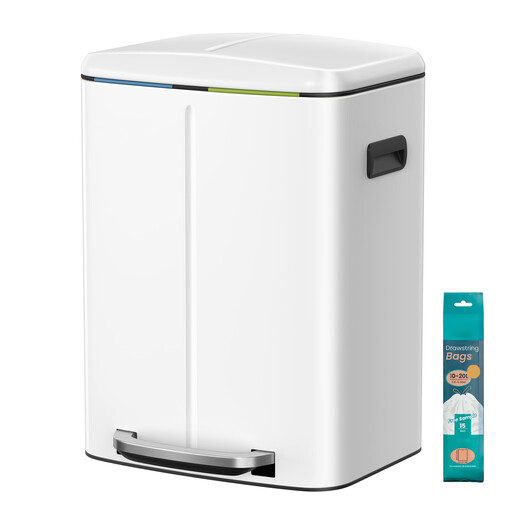
Why This Fits Their Persona: This user wants a seamless solution that simplifies recycling without compromising on style. The clean lines, dual-compartment design and quiet operation fit perfectly into a modern, organised UK kitchen.
Its steel construction resists rust and wear. The soft-close lid addresses the flimsy mechanism issue and the removable inner buckets feature a rear bag hole to solve the liner-slipping problem.
Efficient 2x20L waste separation in a single unit. The lid can stay open at 90 degrees for longer tasks and it includes starter bags for immediate use.
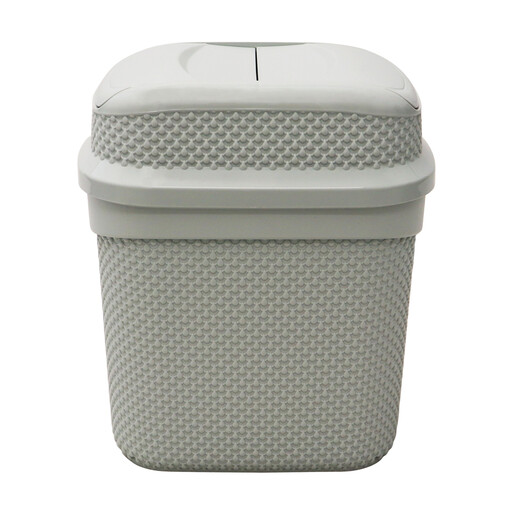
Why This Fits Their Persona: For those in flats, smaller kitchens or who need a supplementary bin for a utility room or home office. This user prioritises a small footprint and simple functionality over large, dual-compartment capacity.
By opting for a simple push-top lid, it avoids the complex pedal mechanisms that often fail on budget dual bins. Its durable, BPA-free plastic construction is rust-proof and won't yellow or stain easily.
Very compact and lightweight, making it easy to place under a desk or in a tight corner. The plastic material is simple to wipe clean, inside and out.
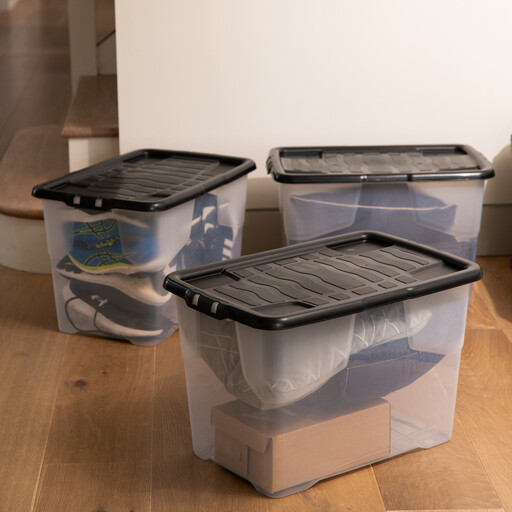
Why This Fits Their Persona: This is for the household that needs a serious recycling system beyond the kitchen. It's a practical solution for sorting large volumes of glass, paper and plastics in a garage, shed or utility room before kerbside collection day.
This system bypasses the common kitchen bin pitfalls by focusing on pure utility. There are no mechanisms to break or surfaces to polish—just robust, large-capacity containers designed for heavy-duty sorting.
Massive 65L capacity per box allows for bulk storage. The stackable design saves valuable floor space and the translucent body lets you see contents at a glance.
We have compiled a complete, real-time list of products that fully satisfy these strict selection criteria and UK safety regulations.
Consistent maintenance is key. Use correctly sized bin liners to prevent spills and avoid overfilling the compartments. It's good practice to wipe the inner buckets with a damp cloth and mild detergent each time you change the bags. For persistent odours, sprinkling a small amount of bicarbonate of soda in the bottom of the empty bucket can help absorb smells.
A total capacity between 40 and 60 litres is generally a good starting point for a family of four. A bin with two 20-litre or two 30-litre compartments usually strikes the right balance, providing enough space for a few days' worth of waste and recycling without taking up an excessive amount of kitchen floor space.
Each material has its advantages. Powder-coated steel bins often provide a more premium aesthetic and can feature more robust pedal systems. However, high-quality, thick plastic bins are completely rust-proof, lighter and often easier to clean thoroughly. The choice depends on your priorities: a sleek look and feel (steel) versus lightweight practicality and rust immunity (plastic).