
24/7 Customer Support

Free returns

Same-day & Next-day Delivery

Quality Guaranteed

Unlock Your Welcome Offers: FREE Delivery | Up to 80% OFF | Free 30-day JoyPlus trial
Download the APP
As a cat owner in the UK, you want to provide your feline companion with nutritious and appealing meals. Duck cat food has become an increasingly popular choice, often positioned as a premium or hypoallergenic option. However, navigating the market can be tricky. Misleading labels and confusing ingredient lists can lead you to buy a product that isn't what it seems, potentially wasting money or, worse, upsetting your cat's stomach.
My role as a Joybuy Product Recommendation Officer is to help you see past the marketing clutter. This guide will break down the common pitfalls of buying duck cat food and give you the practical knowledge to select a product that truly meets your cat's needs.
Before you add a new food to your basket, be aware of these frequent traps:
To make an informed choice, focus on these key parameters on the product label.
The ingredients list is your most reliable source of information. Look for duck listed as the first ingredient, which indicates it's the primary component by weight. For cats with known allergies, a single protein duck cat food is the safest bet. This means duck is the only animal protein source, eliminating the risk of a reaction to hidden chicken, beef or fish. Pay close attention to the total meat content and the specific percentage of duck.
Each format offers distinct benefits, and the right choice depends on your cat's health, habits and your lifestyle.
Always match the food to your cat's age. Kittens, adults and seniors have different dietary requirements.
Based on a clear analysis of ingredients, formulation and suitability for different needs, here are some standout options for UK cat owners.
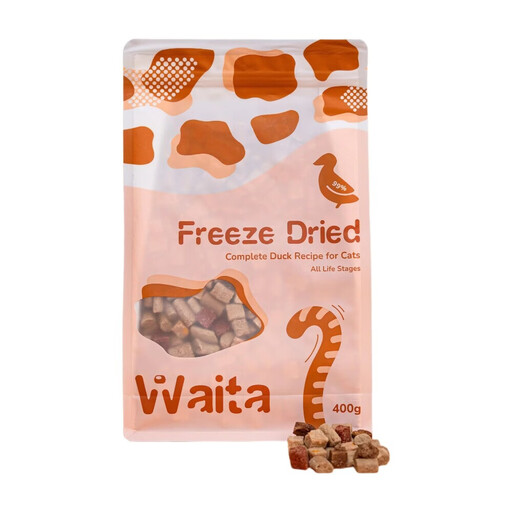
Why This Fits Their Persona: This is for the owner who prioritises nutrient density and ingredient purity. It's ideal for cats with sensitivities, as the single-protein duck recipe eliminates common allergens like chicken.
It completely avoids the "duck flavour" deception. With 99.2% whole-animal ingredients and duck as the sole protein, you get exactly what you pay for—a genuine single protein duck cat food.
The freeze-drying process preserves nutrients and flavour, offering raw-diet benefits without the mess. It also includes pumpkin for digestive support.
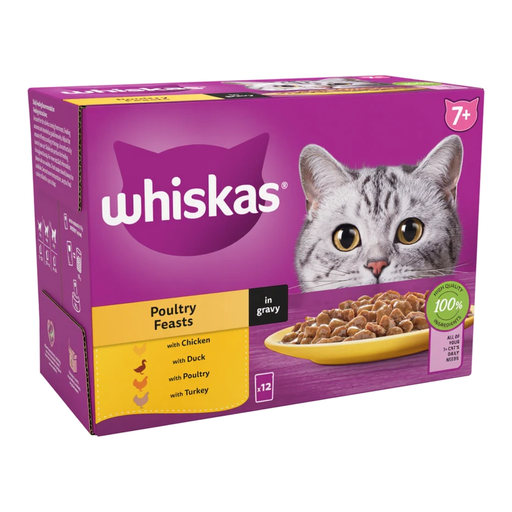
Why This Fits Their Persona: This is for the caring owner of an older cat. The wet food format helps with hydration and the recipe is specifically tailored to the needs of a senior cat, including a duck variety in the multipack.
This product directly avoids the life-stage pitfall. It is not a one-size-fits-all food but is specifically formulated for cats aged 7+, with balanced mineral levels to support urinary tract health.
Provides complete and balanced nutrition tailored for seniors. The high moisture content in the gravy is beneficial for older cats who may drink less water.

Why This Fits Their Persona: For owners seeking a complete and balanced diet from a trusted brand without a premium price tag. This dry food is an economical choice for everyday feeding for an adult cat with no specific dietary issues.
While it's a mixed protein food, it is transparent about its contents ("Chicken & Duck"). It provides a 100% complete and balanced meal, avoiding the trap of being nutritionally incomplete, which some affordable foods can be.
It's an affordable, complete food that supports all-round health. The crunchy kibble also provides a dental benefit by helping to clean teeth as the cat chews.
We have compiled a complete, real-time list of products that fully satisfy these strict selection criteria and UK safety regulations.
1. How should I switch my cat to a new duck cat food? To avoid digestive upset, you should transition your cat gradually over 7 to 10 days. Start by mixing a small amount of the new food (about 25%) with their old food (75%). Every couple of days, increase the proportion of the new food while decreasing the old until you are feeding 100% of the new diet.
2. Is duck cat food a good choice for cats with allergies? It can be. Duck is considered a 'novel protein' for many cats, meaning they are less likely to have been exposed to it and are therefore less likely to have an allergy. However, if you suspect an allergy, it is vital to choose a single protein duck cat food. Check the ingredients list carefully to ensure there is no chicken, beef, fish or other protein source that could trigger a reaction.
3. What is the difference between duck cat food in jelly and in gravy? The main difference is texture and moisture content. Food in jelly has a firmer, more gelatinous coating around the meat pieces. Food in gravy has a more liquid sauce. Many cats have a strong preference for one over the other. The higher liquid content in gravy can be a good way to increase your cat's water intake, but ultimately the choice often comes down to what your cat enjoys most.