
24/7 Customer Support

Free returns

Same-day & Next-day Delivery

Quality Guaranteed

Unlock Your Welcome Offers: FREE Delivery | Up to 80% OFF | Free 30-day JoyPlus trial
Download the APP
As a Product Recommendation Officer at Joybuy, I help cut through the clutter of pet food marketing to offer clear, practical advice. When it comes to selecting duck dog food, many well-intentioned dog owners in the UK find themselves navigating a confusing landscape. Duck is an excellent protein source, particularly for dogs with sensitivities, but not all products are created equal. Before you buy, let's look at the common pitfalls that can lead to a disappointing purchase.
To ensure you're getting a high-quality product that suits your dog, focus on these core parameters. They will help you see past the marketing and understand what's actually in the bag or tray.
The ingredient list on pet food is ordered by weight. For a food to be genuinely duck-centric, duck should appear as one of the very first ingredients.
Understanding the carbohydrate source is crucial, especially if you're looking for a sensitive stomach dog food duck formula.
This distinction is vital for your dog's overall nutrition.
Based on these practical criteria, here are a few options from our catalogue, matched to different needs and lifestyles.
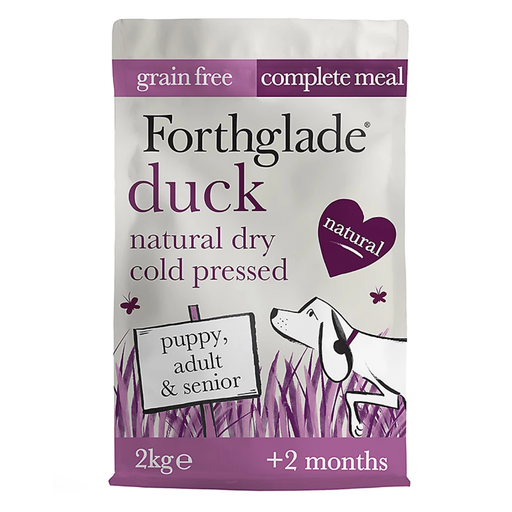
Why This Fits Their Persona: This is for the owner who needs a reliable, grain-free and poultry-focused diet to manage sensitivities. The single primary protein source (duck) makes it an excellent choice for an elimination diet or for dogs known to react to chicken or beef.
It sidesteps the "hypoallergenic" buzzword by providing a transparent, limited-ingredient panel. Duck is clearly listed as the main protein (32.5%), and it uses sweet potato and peas instead of grains or cheap fillers.
The cold-pressed production method uses lower temperatures, which helps preserve the natural nutrients in the ingredients. It also includes glucosamine and chondroitin for joint support.
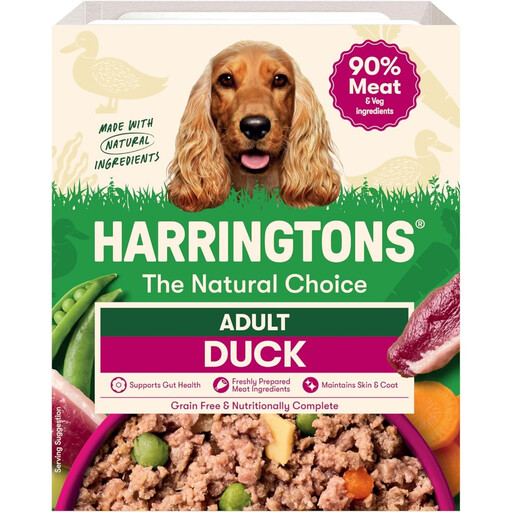
Why This Fits Their Persona: Ideal for owners of picky eaters, senior dogs or those needing extra hydration. This complete wet food offers high palatability and is gentle on the digestive system, making mealtimes easier and more enjoyable.
It avoids the "duck flavour" trap by clearly stating it contains 65% duck and chicken, with 26% being freshly prepared duck. It is a complete, grain-free meal, not just a flavourful but nutritionally incomplete topper.
This is a nutritionally complete food, so it can be served as a standalone diet. The inclusion of salmon oil supports skin and coat health, and the multi-pack format offers good value and convenience.
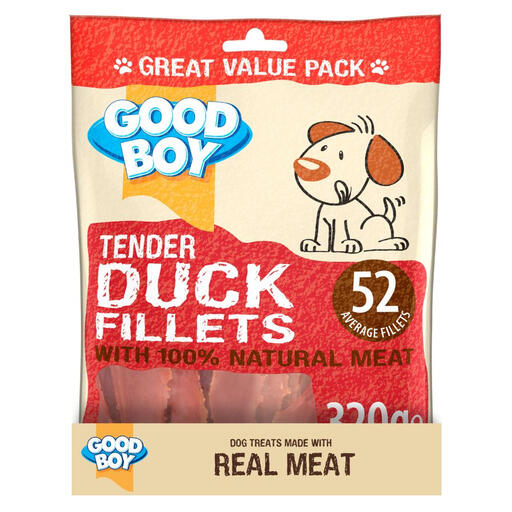
Why This Fits Their Persona: For the owner who uses treats for training or as a daily reward and wants to ensure they are giving something healthy and simple. They prioritise high meat content and avoid artificial additives, wheat and cereals.
These are not "duck-flavoured" biscuits. They are made with 87% real duck breast, making them a high-protein, complementary treat. The packaging is clear that this is a treat, not a complete food.
Extremely high in protein (48%) but very low in fat (2%), making them a lean reward. The simple, grain-free recipe is ideal for dogs with sensitive digestion. The large pack size offers great value.
We have compiled a complete, real-time list of products that fully satisfy these strict selection criteria and UK safety regulations.
For many dogs, yes. Duck is considered a "novel protein," which means it's less likely to have been a part of a dog's diet historically compared to chicken or beef. This lack of prior exposure reduces the chance of an allergic reaction, making it a popular choice for dogs with food sensitivities or for owners conducting an elimination diet to pinpoint allergens. However, always check the full ingredient list to ensure no other potential triggers are included.
"Fresh duck" refers to duck meat before it has been cooked and had its water removed. It typically contains around 70% moisture. "Duck meal" is a concentrated ingredient that has been rendered—cooked to remove water and fat. While "fresh duck" sounds more appealing, a food with 25% duck meal may contain more actual duck protein than a food with 25% fresh duck, simply because the meal is far more concentrated by weight. Both are good quality protein sources.
You can, but it must be done in moderation. Treats are "complementary" foods, meaning they are not nutritionally complete. They should only make up a small part of your dog's daily food intake, typically no more than 10% of their total calories. Over-treating can lead to weight gain and unbalance their diet. Always ensure fresh drinking water is available, especially when giving chewy or dry treats.