
24/7 Customer Support

Free returns

Same-day & Next-day Delivery

Quality Guaranteed

Unlock Your Welcome Offers: FREE Delivery | Up to 80% OFF | Free 30-day JoyPlus trial
Download the APP
As a dog owner, finding a treat that is both delicious for your pet and aligned with your standards for healthy, natural ingredients can be a challenge. Duck has become an increasingly popular choice, valued for its rich flavour and often being a suitable option for dogs with dietary sensitivities. However, the market is filled with options, making it difficult to know which product is the right fit for your companion.
This guide is designed to help you navigate the choices. We will look at what makes a quality duck treat and highlight a few noteworthy options to help you find a reward that will get your dog's tail wagging for all the right reasons.
Before we look at specific products, here are a few key points to consider when you're shopping. Keeping these in mind will help you make a more informed decision for your dog's health and happiness.
The most reliable indicator of a treat's quality is its composition. Look for products where duck is listed as the first and primary ingredient. This indicates a high meat content. High-quality natural duck treats for dogs will have a simple, recognisable ingredient list, avoiding artificial colours, flavours and preservatives. If you're seeking high-protein dog treats, check the 'Analytical Constituents' section on the packaging for a high crude protein percentage.
Not all treats serve the same purpose. Consider your dog's specific requirements:
The texture of a treat can influence its function. Soft, chewy fillets are great for a quick reward, while crunchier treats can provide a more satisfying texture. For dogs that love to chew, a tougher, longer-lasting treat can help keep them occupied and support dental hygiene by the natural abrasive action of chewing.
Here are four different types of duck treats that cater to various needs and preferences.
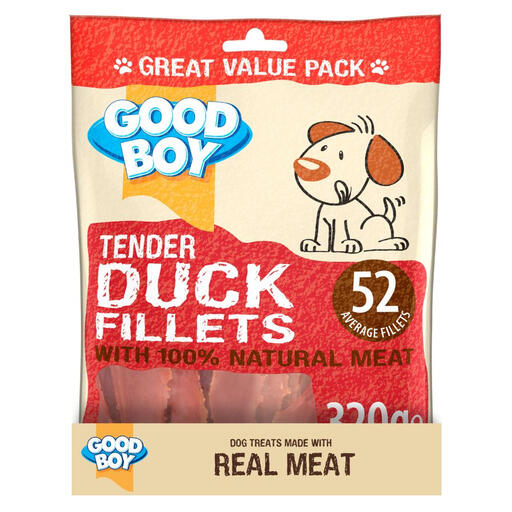
Why It Stands Out: These fillets are a straightforward, high-quality option made with 100% natural duck breast meat. Their simple recipe and low-fat content make them a versatile choice for daily treating without adding unnecessary calories or artificial additives.
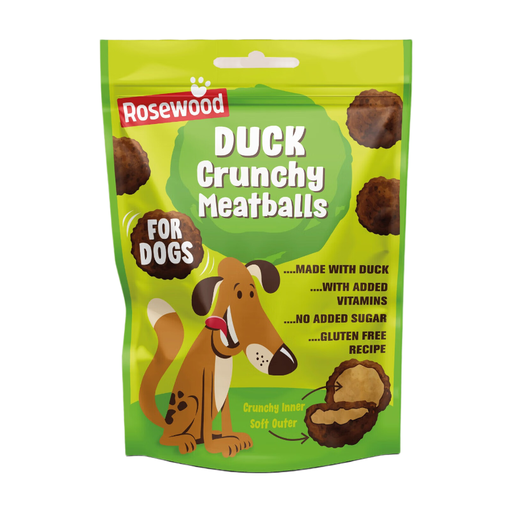
Why It Stands Out: These meatballs offer a unique textural experience with a crunchy centre and a softer exterior. Made with real duck and enriched with vitamins, they provide a more engaging treat that goes beyond a simple piece of meat.
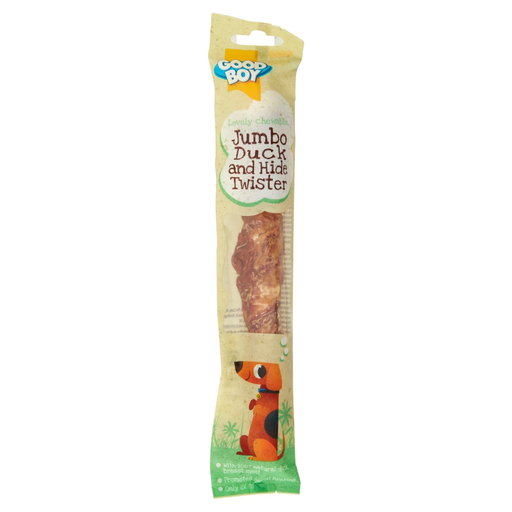
Why It Stands Out: This is a treat designed for a longer-lasting chew. It combines natural duck breast meat with rawhide in a twisted shape that encourages chewing. This action can help with dental hygiene while providing a satisfying, high-protein snack.
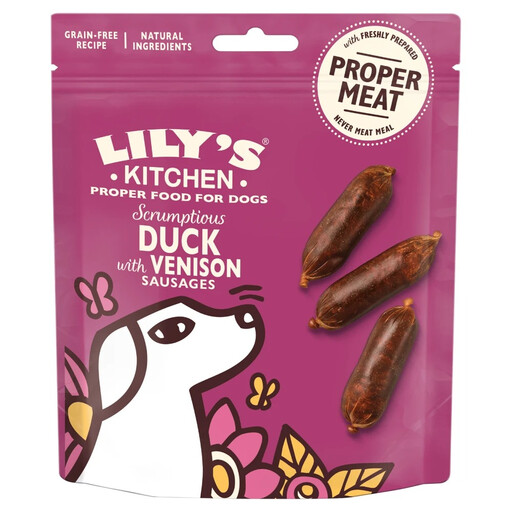
Why It Stands Out: These mini sausages from Lily's Kitchen combine freshly prepared duck and venison for a rich, meaty flavour. Made with natural ingredients and a grain-free recipe, their satisfyingly chewy texture makes them a high-value reward.
While these four products represent some great choices, every dog is an individual. If you're looking for a different texture, a specific size or another flavour combination, there are many more options available.
Explore our full range of Duck dog snacks to find the perfect treat for your companion.
1. Are duck treats good for dogs with allergies? Duck is often considered a novel protein, which means it's a protein your dog may not have been exposed to before. This can make it a suitable choice for dogs with sensitivities to more common proteins like chicken or beef, and it is a key ingredient in many hypoallergenic dog treats. However, always check the full ingredient list for other potential allergens and consult your vet if your dog has known food allergies.
2. Can I use duck treats for puppy training? Many duck treats are excellent for training, especially those that are small or can be easily broken into pieces. When choosing duck training treats, check the packaging for the recommended age. Some chews and larger treats are not suitable for puppies under 4 months old, so it's important to select a product appropriate for your puppy's age and size.
3. Are duck treats generally low in fat? The fat content varies by product. Treats made from pure duck breast, like fillets, are often naturally low in fat. If you are specifically looking for low-fat dog treats for weight management, always check the 'Analytical Constituents' on the packaging to confirm the fat percentage. Some options contain as little as 2% fat, making them a lean choice.