
24/7 Customer Support

Free returns

Same-day & Next-day Delivery

Quality Guaranteed

Unlock Your Welcome Offers: FREE Delivery | Up to 80% OFF | Free 30-day JoyPlus trial
Download the APP
Duck jerky dog treats can be a convenient way to reward good behaviour, support training and offer a chewy snack between meals. However, attractive packaging does not always tell the full story. UK dog owners need to look beyond phrases such as “natural”, “high protein” and “grain-free” to check the actual composition, texture, portion guidance and pack value.
This guide explains the main buying pitfalls and highlights suitable options for different types of dog and household.
“Natural” does not automatically mean a product contains one simple ingredient. Some treats described as natural may also contain cereals, glycerine, flavourings, preservatives or vegetable proteins. If your dog needs grain-free dog treats, check the full composition rather than relying on the front-of-pack wording.
A short ingredient list can make it easier to identify the main protein and avoid ingredients your dog does not tolerate. It is also important to distinguish between a product name and the detailed description. For example, the listing for MeatyWay Duck Jerky Tenders Dog Treats identifies duck jerky, while the supplied description refers to chicken and purple sweet potato. Check the physical packaging and current product label before purchase if a specific protein is essential.
Duck breast dog treats can provide a meat-based reward, but protein and fat are separate nutritional measures. A treat may be high in protein while still adding significant fat to your dog’s daily intake.
Compare the analytical constituents, particularly crude protein and crude fat, and consider the size and number of pieces given each day. “Low-fat” should be assessed from the stated percentage, not from the product’s general presentation.
A jerky strip may be soft and easy to break, while a twister or air-dried puff may be firmer and take longer to eat. Neither texture is automatically right for every dog. Small dogs, puppies, older dogs and dogs that swallow quickly may need smaller pieces and close supervision.
Treats are complementary pet food, not a replacement for a complete diet. Reduce the main meal if necessary and follow the feeding guidance on the packaging.
For a simple, natural dog treat, look for:
Grain-free does not automatically mean suitable for a dog with every dietary sensitivity. If your dog has a diagnosed allergy or ongoing digestive problem, ask a veterinary professional for individual advice.
High-protein dog treats may be useful for owners looking for a meat-based training reward, but the portion still matters. Compare the crude protein and crude fat figures per 100g, then consider how many pieces your dog is likely to receive during a training session.
For example, Good Boy Duck Twister lists 78% crude protein and 2% crude fat, while its composition includes duck breast, rawhide, glycerine, pea protein and tapioca starch. This is materially different from a single-ingredient air-dried treat, despite both being duck-based options.
Soft dog training treats should be easy to break into small pieces without crumbling excessively. This helps you reward frequently while limiting the amount consumed. Chewy dog treats may be more appropriate when the aim is to provide a longer-lasting snack, but they require supervision.
Look for:
A 454g dog treats bag can offer practical value for households training regularly, but only if the treats remain fresh and your dog accepts the recipe.
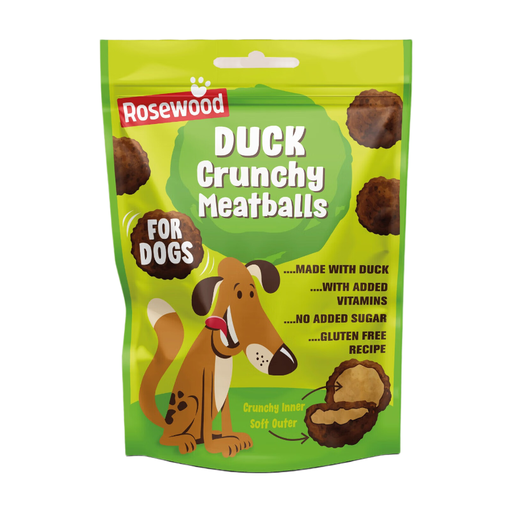
Why This Fits Their Persona: A manageable pouch size suits owners who are introducing duck-based rewards or want a smaller purchase before committing to a larger bag.
The composition identifies duck and vitamins, while the product information states gluten-free and free from artificial flavours, colours and preservatives.
140g resealable pouch; stated analytical constituents include 28% crude protein and 12% crude fat.
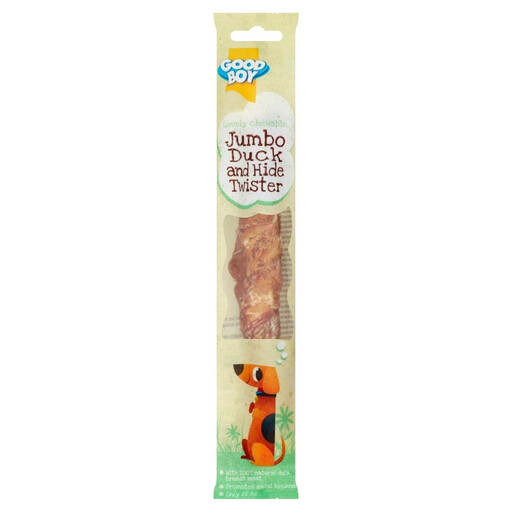
Why This Fits Their Persona: Suitable for owners seeking a firmer duck breast chew for occasional rewards rather than frequent small training pieces.
The product information states the duck breast percentage, fat content and age guidance rather than relying only on general health wording.
57.6% duck breast; 2% crude fat; wheat- and cereal-free according to the supplied product details.

Why This Fits Their Persona: The larger resealable bag is practical for regular training, multi-dog households or owners who prefer to portion one product over an extended period.
The listing states a 454g quantity, resealable format and easy-to-break jerky texture. Because the supplied description conflicts on the meat ingredient, verify the label before buying if duck is required.
Large 454g bag; jerky can be broken into smaller rewards; listing states a grain-free recipe and minimum 30% crude protein.
We have compiled a complete, real-time list of products that fully satisfy these strict selection criteria and UK safety regulations.
Some dogs may tolerate a short-ingredient, grain-free recipe, but sensitivity is individual. Check whether the product contains only duck or also includes chicken, cereals, glycerine, starches or other proteins. Introduce any new treat gradually.
Soft treats are usually easier to break into small rewards, making them convenient for repeated training. Chewy treats can take longer to eat and may suit occasional enrichment. The right choice depends on your dog’s chewing habits, size and training routine.
It depends on the dog’s size, the number of training rewards given and the treat’s piece size. A larger bag may offer better practical value for frequent users, but freshness depends on correct resealing and following the packaging guidance after opening.