
24/7 Customer Support

Free returns

Same-day & Next-day Delivery

Quality Guaranteed

Unlock Your Welcome Offers: FREE Delivery | Up to 80% OFF | Free 30-day JoyPlus trial
Download the APP
Shopping for duck products in the UK can mean very different things: ready-to-eat spicy duck snacks, frozen ingredients for Asian cooking, kitchen scissors for duck bones or duck-based food for cats and dogs. The main risk is assuming that every product containing duck offers the same value, nutrition or convenience.
This guide filters the important details so you can compare products by intended use rather than attractive packaging or broad marketing claims.
A product may feature duck on the front while containing chicken, cereals, plant proteins, seasonings or other animal derivatives. This matters particularly when choosing duck dog treats or duck cat food for a pet that does not tolerate common proteins.
For example, a cat food labelled with chicken and duck contains both proteins, so it would not suit an owner trying to avoid chicken. Always read the composition, not just the product name.
Spicy duck snacks, duck neck snacks and duck wings are designed for human snacking, not as balanced meals. Likewise, dog treats and freeze-dried duck treats are generally intended for intermittent or supplementary feeding unless the label specifically states that they are complete pet food.
A high protein figure alone does not confirm nutritional completeness. Check the statutory name, feeding instructions and analytical constituents before making a product part of a regular diet.
Seasoned duck products can contain considerable salt and flavourings. One 700g spicy assortment lists soya and wheat allergens and includes chilli, Sichuan pepper, cooking wine and liquorice. This is important for anyone with allergies or a low-salt diet.
Raw duck head must remain frozen at -18°C or colder, while ready-to-eat products usually require a cool, dry place and immediate consumption after opening. Products containing bones also require careful preparation and supervision.
For human food, look for a clear ingredients list, allergen emphasis and country-of-origin information. Duck products with seasoning may include soya, wheat, gluten, monosodium glutamate or cooking wine. If you are buying duck wings or duck neck snacks, confirm whether the pack contains separate portions and whether the texture is suitable for your preference.
For pet food, identify whether the product is:
Compare protein, fat, moisture and salt where the information is available. Freeze-dried products appear small but are concentrated because much of the moisture has been removed. Follow the feeding guide rather than offering unrestricted portions.
For dogs, the 100g MeatyWay Duck and Sweet Potato treats list a minimum crude protein level of 20% and are marked for supplementary feeding. The 454g version provides a larger pack and lists 20% protein, 5% crude fat and 18% maximum moisture.
Raw duck head is ready to cook, but it must be thawed safely and cooked thoroughly. Do not refreeze it after thawing. For kitchen scissors for duck bones, check that the product is intended for food use and has stainless-steel construction or another clearly stated food-contact material. Heavy-duty shears may assist with poultry preparation, but they should not be treated as a substitute for safe cutting technique or appropriate cookware.
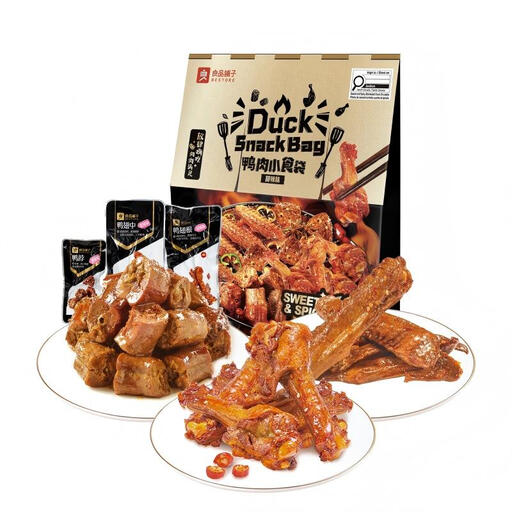
Why This Fits Their Persona: A sizeable 700g bag suits shoppers who want a ready-to-eat snack for several occasions or for sharing, without preparing duck at home.
The listing identifies duck neck and duck wing, gives per-100g nutrition and states room-temperature dry storage.
Ready to eat; 27.8g protein per 100g; 700g net quantity.
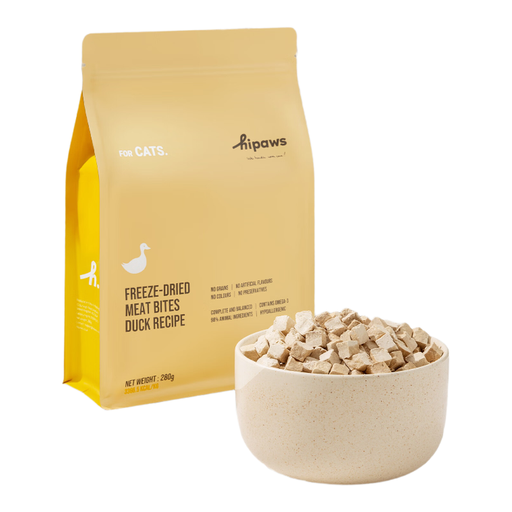
Why This Fits Their Persona: Suitable for cat owners seeking a duck-led recipe with a resealable pack and the option to feed dry or rehydrated.
The stated composition shows duck meat, liver and heart as the principal ingredients, rather than relying only on a duck flavour label.
Duck meat is listed at 68%; the label states it is complete food for all life stages.

Why This Fits Their Persona: A practical option for home cooks who frequently prepare poultry, barbecue ingredients or devein prawns.
Its stated use is food preparation, so it is more targeted than general household scissors marketed for multiple unrelated tasks.
Designed for food use; described as sharp and heavy-duty; stainless-steel construction is specified.

Why This Fits Their Persona: A smaller pack lets first-time buyers try duck dog treats without committing to a large quantity.
The recipe is clearly listed as duck and sweet potato, and the pack states that it is supplementary rather than a replacement for meals.
Two listed ingredients; suitable for dogs of all life stages; 100g trial-size pack.
For Asian cooking, the XF Raw Duck Head 220g contains 100% duck head and is made in the UK. It is suitable for braising or spicy duck head dishes, but must be kept frozen and cooked thoroughly.
For a stronger ready-to-eat flavour, the Besotre Duck Snack Bag with Spicy Flavour 700g contains duck neck, wing roots and wings in individually wrapped portions. Check the listed soya and wheat allergens before ordering.
Pet owners comparing duck pet food can also consider the chicken-and-duck cat food, duck and sweet potato dog treats or freeze-dried duck treats. Choose based on whether you need a complete diet, a training reward or a meal topper.
We have compiled a complete, real-time list of products that fully satisfy these strict selection criteria and UK safety regulations.
Not automatically. Some duck pet food and treats also contain chicken, while seasoned human snacks may include chicken-derived flavouring. Read the complete ingredients and allergen declaration. Anyone with a diagnosed allergy should follow professional medical advice.
Keep it frozen at -18°C or below. Thaw safely when required, cook thoroughly and do not refreeze if it has thawed. Follow the instructions on the packaging for the specific product.
Not necessarily. Some freeze-dried products are treats or toppers, while others are labelled complete food. Check the statutory name and feeding guide. Offer treats in appropriate portions, provide fresh water and supervise pets when feeding.