
24/7 Customer Support

Free returns

Same-day & Next-day Delivery

Quality Guaranteed

Unlock Your Welcome Offers: FREE Delivery | Up to 80% OFF | Free 30-day JoyPlus trial
Download the APP
As a pet owner, you want to give your furry companion a treat that is both delicious and wholesome. Duck treats have become a popular choice, often positioned as a premium or hypoallergenic option. However, the market is filled with confusing labels and marketing claims that can make choosing the right product a challenge. Many well-intentioned owners end up with treats that are not as healthy as they seem.
My role as a Joybuy Product Recommendation Officer is to help you navigate these choices. Let's look at the common pitfalls to avoid and what really matters when selecting duck treats for your dog or cat.
Before you add a pack of treats to your basket, be aware of these frequent issues that can lead to a poor choice for your pet:
To ensure you're getting a high-quality product, focus on these three key parameters on the packaging.
The most reliable indicator of quality is a clear and concise ingredient list.
The way a treat is made significantly impacts its nutritional value and texture.
This section on the back of the pack provides a guaranteed analysis of the treat's nutritional makeup. Pay close attention to:
Based on these criteria, here are a few duck treat options suited to different needs and preferences.
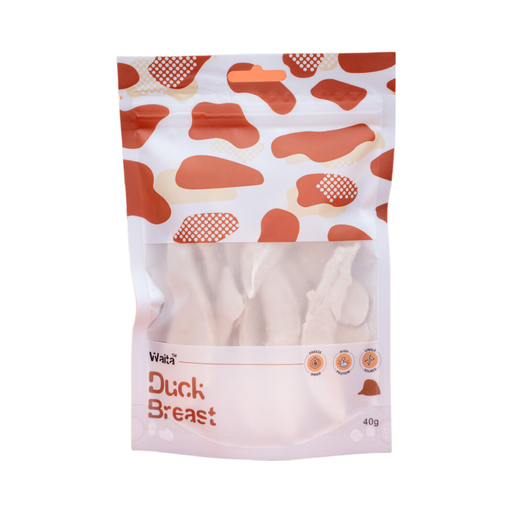
Why This Fits Their Persona: Ideal for UK pet owners managing food sensitivities. As a novel protein for many pets, duck is a great choice for an elimination diet or for those with known allergies to chicken or beef. These treats are suitable for both dogs and cats.
It completely avoids the trap of hidden allergens and misleading labels. The ingredient list is simply "100% Duck Breast," offering total transparency and peace of mind.
The freeze-dried process preserves nutrients effectively. It's a pure, high-protein (≥80%) and low-fat (≥2%) snack without any additives.
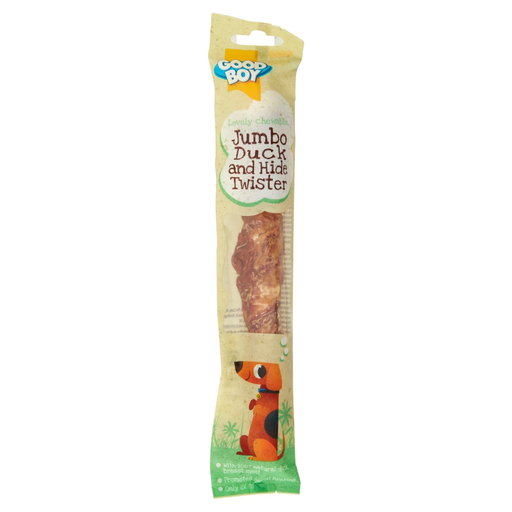
Why This Fits Their Persona: For the owner of a dog that loves to chew. This treat is designed to be long-lasting, providing mental stimulation and helping to satisfy a dog's natural urge to gnaw, which can also support dental hygiene.
It avoids the high-fat trap common in some chews. With a fat content of only 2%, it's a much leaner option for a long-lasting treat, and the recipe is free from grains and cereals.
Made with 100% natural duck breast meat wrapped around a rawhide core, it provides a durable and satisfying chew. The texture helps with the mechanical cleaning of teeth.
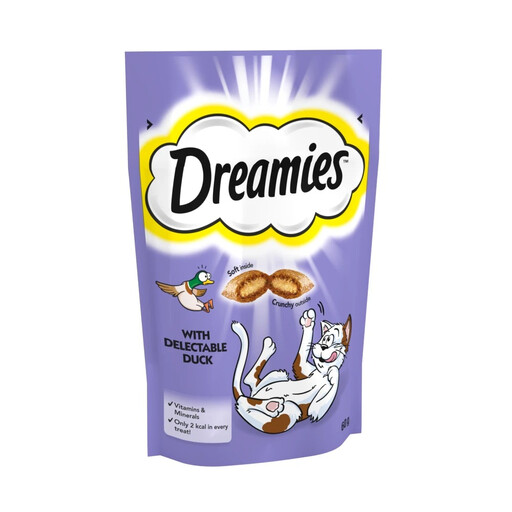
Why This Fits Their Persona: Perfect for the owner of a discerning cat who turns their nose up at other treats. The unique dual-texture—crunchy on the outside and soft on the inside—is highly palatable for many felines, making these excellent **duck cat treats** for rewards.
While it is a composite treat, it avoids the trap of being nutritionally empty. It is fortified with vitamins and minerals and contains only 2 calories per treat, helping owners manage their cat's intake carefully.
The main advantage is its irresistible texture and flavour combination. It's a reliable choice for motivating and rewarding even the fussiest of cats.
We have compiled a complete, real-time list of products that fully satisfy these strict selection criteria and UK safety regulations.
For many pets, yes. Duck is considered a 'novel protein', meaning it's less likely to cause a reaction in pets who are sensitive to more common proteins like chicken or beef. If you suspect an allergy, a single-ingredient hypoallergenic duck treat, such as a freeze-dried option, is an excellent place to start as it eliminates other potential triggers.
You can, but it's important to do so in moderation. A general guideline is that treats should not make up more than 10% of your pet's total daily calorie intake. Always check the feeding instructions on the packaging for specific recommendations based on your pet's size and adjust their main meals accordingly to maintain a healthy weight.
The main difference is the processing method. Freeze-dried duck for pets is made by freezing the raw meat and then removing the moisture under a vacuum. This process is done at a very low temperature, which helps preserve the natural nutrients. Duck jerky is typically made by dehydrating the meat with air and low heat. This process can sometimes involve additives like glycerin to maintain a soft, chewy texture, and the nutritional profile may be slightly different from the raw state. Both can be good options, but freeze-dried is often considered closer to a raw nutritional profile.