Housemates organising frequent laundry
If bedding, towels and clothes compete for time in one machine, drum room and usable programme choices matter. Samsung UK advises against pressing laundry down to fit: a duvet-cover load needs to sit loosely.


Start with a 9 kg freestanding washer if duvet covers are usually washed separately and installation space is tight; compare 10 kg models if heavier bedding or frequent shared loads call for more room in the drum. A washer-dryer is worth considering when drying space is the main constraint, but its wash-and-dry capacity may be lower than its washing capacity. Whichever format you choose, check the care label and model manual rather than assuming a stated capacity guarantees that a particular bedding load will fit.
If bedding, towels and clothes compete for time in one machine, drum room and usable programme choices matter. Samsung UK advises against pressing laundry down to fit: a duvet-cover load needs to sit loosely.
Capacity is only useful if the machine fits the kitchen or utility area and can reach it. Compare the exact appliance dimensions, required clearances and freestanding or integrated format before choosing a model.
A washer-dryer combines two tasks in one appliance, but its drying limit needs a separate check. Bosch GB lists 10.0 kg washing capacity and 6.0 kg wash-and-dry capacity for its WDU8H541GB, illustrating why a full wash load may need splitting before drying.
Consider it when: Duvet covers are normally washed apart from other bulky items and installation space is limited.
Trade-off: A stated 9 kg capacity does not establish that every bedding load fits; follow the model’s load instructions and avoid compressing the cover.
Consider it when: Heavier bedding or frequent shared laundry makes extra rated washing capacity useful and the appliance fits the property.
Trade-off: Capacity alone does not confirm bedding-programme limits or external dimensions. Check both for the exact model.
Consider it when: The household needs machine drying but has no practical place for a separate dryer.
Trade-off: A load that fits for washing may exceed the continuous wash-and-dry limit. Bosch GB’s WDU8H541GB, for example, is rated at 10.0 kg for washing and 6.0 kg for washing and drying.
| Concern | What to check | Who this matters to |
|---|---|---|
| Room for bedding | Compare rated washing capacity in kg with the manual’s bedding-load guidance. The cover should fit without being pushed down. | If I regularly wash duvet covers alongside shared-house laundry, I want enough room to load them loosely. Around 37% of consumers would make bedding capacity their primary concern. |
| Space and access | Measure the installation bay, required clearances, door opening and delivery route; confirm whether the property needs a freestanding or integrated machine. | A larger drum is no help if the machine cannot fit through the door or into my kitchen. For around 27% of consumers, physical fit would come first. |
| Laundry turnaround | Check the programme table for cycle conditions and load limits, including any quick cycle you expect housemates to use. | When several of us share one washer, I need predictable access for everyday loads without assuming a quick cycle also handles bedding. Around 18% of consumers would prioritise turnaround. |
| Running information and drying | Compare the energy information and stated noise for each model. For washer-dryers, check washing and wash-and-dry capacities separately. | If the machine sits near shared rooms or we have little drying space, I need to weigh disruption and drying limits as well as the wash load. These would be the primary concerns for around 18% of consumers. |
The rated washing capacity refers to dry textiles, not the weight of a cover after it has absorbed water. A kg figure also does not override a programme’s load limit.
Check the care label and model manual, then place the duvet cover loosely in the drum. Samsung UK advises that needing to push laundry down to make room means the washer is overloaded.
Washing and continuous wash-and-dry capacities can differ. Bosch GB lists 10.0 kg and 6.0 kg respectively for the WDU8H541GB.
Compare both ratings on the model you intend to buy. If a washed load exceeds its drying limit, plan to split it or dry some items another way.
Machines with a suitable capacity can have different external dimensions, and the available depth must also accommodate installation requirements.
Measure the bay and delivery route, check the door swing and plumbing position, and confirm whether the existing space calls for a freestanding or integrated appliance.
Quick-cycle figures can apply only to a specified smaller load. LG UK’s 39-minute claim for the F4X7009TWB concerns a 5 kg load, not duvet-cover washing.
Check the programme conditions for the exact model and use the care label and manual to select a suitable cycle for the cover.
Samsung UK publishes guidance on washing-machine capacity and loading that can help frame a shared-house bedding shortlist.
Bosch GB provides examples for comparing installation formats and separate washer-dryer capacities.
LG is relevant when comparing a 9 kg washer with programmes for smaller routine loads.
Haier’s UK 10 kg range provides models to examine when additional washing capacity is a priority.
Miele is relevant to a comparison of 9 kg models when specific programmes or automatic dispensing matter to the household.
These models cover 8–10 kg freestanding washers and a 10 kg/6 kg washer-dryer. Use their stated capacities to narrow the choice, then check each model’s bedding instructions and the measurements of your installation space.
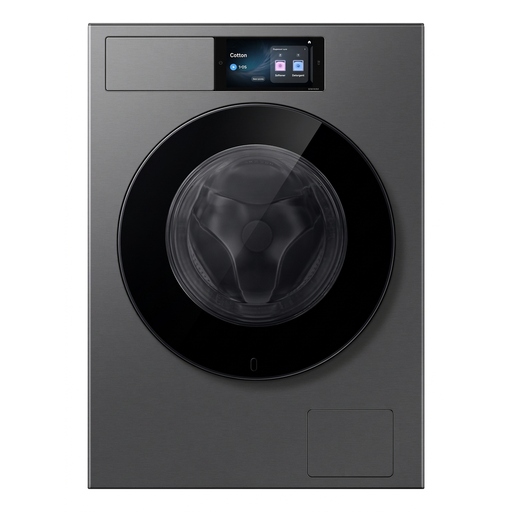 No image available
Consider this freestanding washer if bedding is normally washed separately from other bulky shared-house loads. Its stated washing capacity is 9 kg, with a 1400 rpm spin speed; check the manual’s bedding-load limit and the space needed for installation.
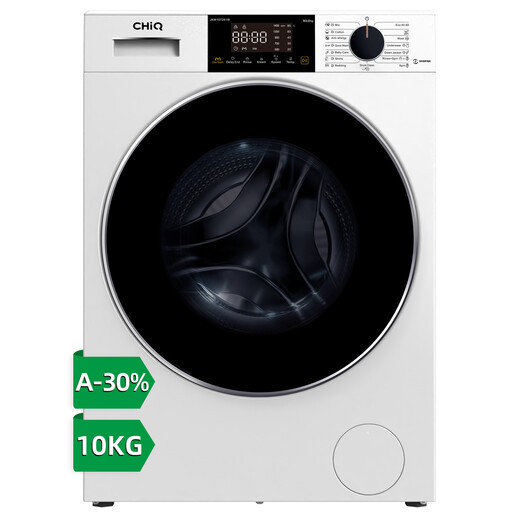 No image available
Consider this model when a 10 kg washing capacity suits frequent shared laundry or heavier bedding. Its stated spin speed is 1400 rpm; confirm the bedding-programme load guidance and installation fit before choosing it.
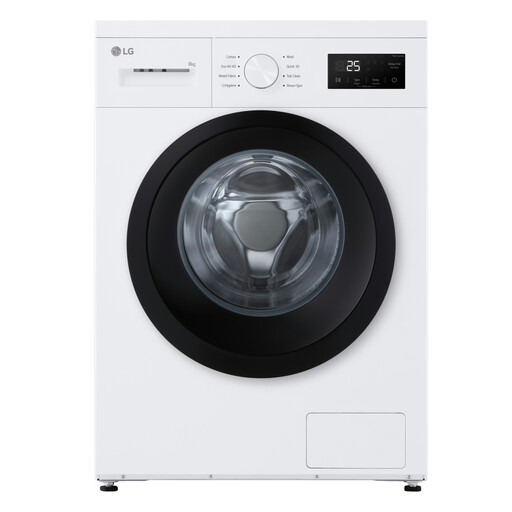 No image available
Consider this freestanding 8 kg washer if a smaller rated load meets the household’s needs. It has a stated 1400 rpm spin speed; check the model manual for duvet-cover loading and measure its full installed depth, including the door and required clearances.
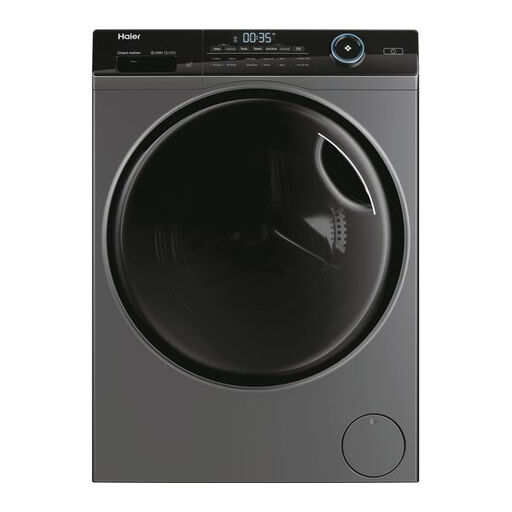 No image available
Consider this washer-dryer where separate drying space is limited. The stated capacities are 10 kg for washing and 6 kg for drying, so a larger washed load would need splitting or another drying method; check the manual for bedding guidance.
 No image available
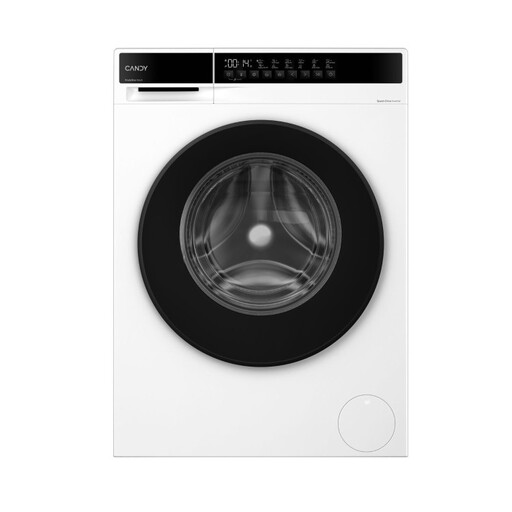
Consider this 9 kg washer for shared laundry when duvet covers can be washed as loose loads. It has a stated 1400 rpm spin speed; check its exact programme guidance and installation dimensions against the property.
Choose by the bedding load, laundry turnover and available space, rather than assuming either rating fits every cover. A 9 kg washer may suit covers washed separately; 10 kg offers more stated capacity for heavier or frequent loads. Samsung UK uses 8–10 kg as a comparison range for bigger items, but the care label and exact machine manual still govern loading.
Only if that load meets the model’s continuous wash-and-dry limit and programme instructions. Bosch GB’s WDU8H541GB, for example, is rated for 10.0 kg washing but 6.0 kg washing and drying; a load above the latter limit would need splitting or another drying method.
Follow the cover’s care label and the washer manual, and load the cover without pressing it down. Samsung UK advises that having to push laundry down to make room indicates an overloaded machine; the stated kg capacity is not permission to pack the drum tightly.
Compare the energy labels for the exact machines on your shortlist, alongside their capacities and programme information. UK government guidance requires an energy label at the point of sale for products within the rules’ scope; confirm the documentation applicable to your delivery location.
Check collection or recycling options before the new machine arrives. Ask the retailer about an available collection service and consult your local authority about arrangements for old electrical appliances; do not assume removal is part of delivery.