
24/7 Customer Support

Free returns

Same-day & Next-day Delivery

Quality Guaranteed

Unlock Your Welcome Offers: FREE Delivery | Up to 80% OFF | Free 30-day JoyPlus trial
Download the APP
Choosing duvets and bedding is not simply a matter of picking a colour or the softest-looking fabric. The wrong tog rating can leave you overheating, an ill-fitting cover can cause the duvet to bunch up and attractive “easy-care” claims may hide restrictive washing instructions.
For UK households, the most useful approach is to compare warmth, dimensions, fabric and maintenance before considering appearance. The following guide highlights common purchasing traps and matches different bedding options to real household needs.
A tog rating measures insulation, not overall quality. A 4.5 tog summer duvet is designed for warmer nights and hot sleepers, while a 10.5 tog duvet provides medium warmth for much of the year. Neither is automatically suitable for every bedroom.
Central heating, room temperature, personal preference and whether you share the bed all affect the right choice. Couples may also disagree about warmth, making an all-season duvet with separate layers more practical than one fixed-weight option.
Anti-allergy and anti-mite treatments describe product features, not a guarantee that symptoms will be prevented. Check the exact wording, filling and care instructions. A duvet that can be washed regularly may be easier to keep fresh than one with a delicate construction that requires specialist cleaning.
If a product references an organisation such as Allergy UK, treat this as information about the product’s stated approval or testing status rather than a personal health recommendation.
UK bed names can be confusing, particularly when shopping for single, double, king or super king bedding. A UK single duvet commonly measures 135 x 200cm, but covers should still be checked individually. A cover that is too large may allow the filling to move, while one that is too small can strain the zip and corner ties.
Check the duvet, duvet cover and pillowcase measurements together before ordering.
Use the following as a practical starting point:
A 10.5 tog all-round duvet can simplify bedding storage, while a 3-in-1 design offers more flexibility if your household experiences noticeable temperature changes.
Hollowfibre is a common synthetic filling that can provide a lightweight, lofty feel and is often suitable for machine washing. Microfibre covers are smooth, lightweight and generally straightforward to care for. Cotton duvet covers, including muslin cotton, may appeal to shoppers who prefer a natural-feel fabric with breathable texture.
For a microfibre duvet cover, examine the closure and internal ties as carefully as the fabric description. A zip fastening and multiple corner ties can help keep the insert secure. For cotton bedding, check whether it needs low-temperature drying or has a deliberately crinkled finish that should not be ironed.
A machine washable duvet can be more convenient for family homes, but washing capacity matters. A large duvet may not fit comfortably in a domestic washing machine. Always follow the care label, use the stated temperature and confirm whether tumble drying is permitted.
Also check the product’s dimensions, composition, included components and warnings. Duvets and covers should be kept away from open flames and excessive heat sources, and children’s bedding should be selected with age-appropriate safety information in mind.
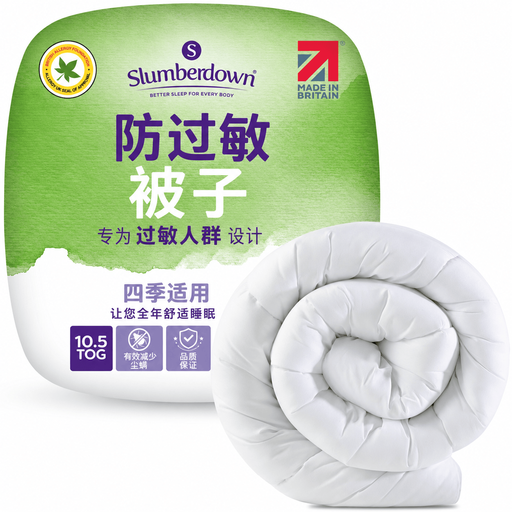
Why This Fits Their Persona: A straightforward single duvet for renters, guest rooms, children’s rooms or anyone wanting one medium-warm option for much of the year.
The 10.5 tog rating is clearly specified, while the 135 x 200cm single dimensions reduce the risk of ordering an unsuitable size.
100% microfibre construction, 40°C machine washing and tumble-dryer suitability are listed. The product is also stated to be made in the UK.
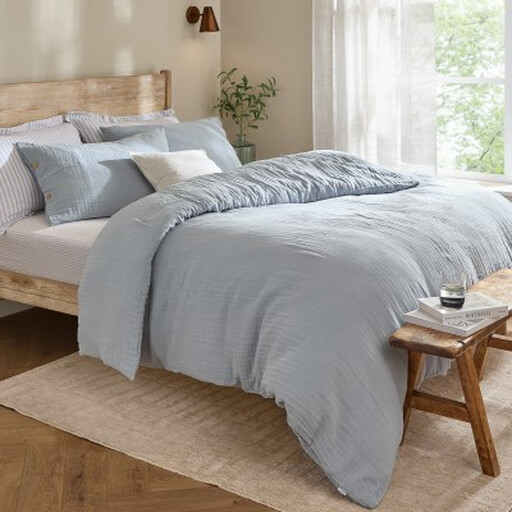
Why This Fits Their Persona: Suits shoppers prioritising fabric feel and a textured bedroom finish for a double bed.
The material is identified as 100% cotton rather than relying only on broad softness language, and the care note specifies low tumble drying and no ironing.
Double-layer muslin cotton and a breathable, crinkle-textured finish are specified. The mineral blue colour provides a defined styling option.
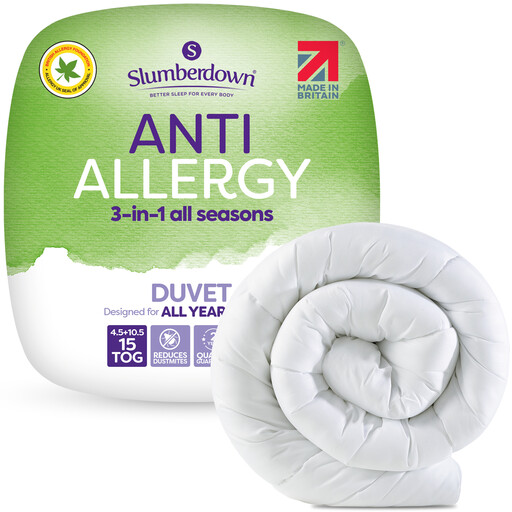
Why This Fits Their Persona: A practical choice for households that want to adjust bedding as British temperatures change without storing several separate duvets.
Instead of one fixed warmth level, the two layers can be used separately or clipped together, offering 4.5, 9 or 13.5 tog configurations.
The single size is 135 x 200cm, with 100% microfibre fabric and 40°C machine-wash instructions listed. It is stated to be made in the UK.
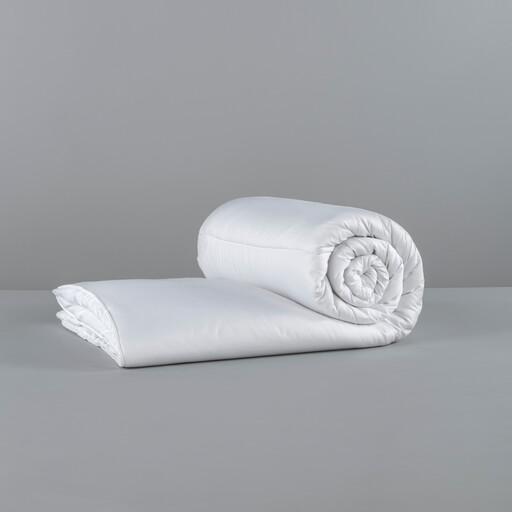
Why This Fits Their Persona: Designed for people who prefer lighter bedding, warmer bedrooms or a super king cover with generous dimensions.
The 4.5 tog rating makes its intended summer use clear, rather than leaving shoppers to infer warmth from terms such as “soft” or “lofty”.
It has a 260 x 220cm super king size, 72gsm microfibre cover, hollowfibre filling and low-heat tumble-drying guidance. The listing states it is made in the UK.
We have compiled a complete, real-time list of products that fully satisfy these strict selection criteria and UK safety regulations.
A duvet cover set is an efficient way to refresh a bedroom because it can include matching pillowcases. Polyester microfibre options often offer zip closures, corner ties and gentle machine washing, while a cotton duvet cover may provide a different texture and appearance.
For washing, use fabric conditioner only according to the label and washing-machine instructions. A sensitive-skin formula such as Comfort Pure is described as dermatologically tested and hypoallergenic; these are product specifications rather than a guarantee for every individual. Fragranced alternatives, such as Comfort Creations Honeysuckle & Sandalwood, may suit shoppers who prioritise scent, but people with sensitivities should review the ingredient information first.
If you are replacing the whole sleep set-up, also measure the bed base before choosing a hybrid mattress. Pocket springs, foam layers, mattress depth and boxed delivery can affect handling and compatibility with existing sheets.
A 4.5 tog summer duvet is a common starting point for warmer nights. Hot sleepers or bedrooms with strong heating may prefer lighter bedding, while colder rooms may require a higher tog rating. Personal comfort remains the deciding factor.
Follow the manufacturer’s care label. A washable duvet can usually be refreshed when needed, but frequent washing, unsuitable temperatures or overloading the machine may affect its shape and filling. Duvet covers are normally washed more often than the insert.
An all-season duvet can reduce the need to buy and store multiple separate inserts. Its practical value depends on the purchase price, available storage and how often you change warmth levels. Always compare the listed dimensions, construction and care requirements before deciding.