What to prioritise when buying
For EAPC use in England, Scotland and Wales, GOV.UK specifies pedals capable of propelling the bike, continuous rated motor power of no more than 250 W, assistance that cuts off at 15.5 mph and a rider aged 14 or over. Check the exact bike’s required markings and documents too. The Department for Transport advises buying a complete e-cycle from a reputable retailer, and London Fire Brigade advises using the supplied or manufacturer-recommended charger.
| Concern |
What to check when buying |
Who this matters to |
| EAPC eligibility |
Check capable pedals, continuous rated output and assistance cut-off on the exact bike; match its markings and documents to that model. |
If I want an e-bike for everyday road use, I need confidence that the exact bike qualifies as an EAPC, not just a suitable-looking wattage in a listing. Consumers who put legal status first make up about 31%. |
| Battery and charging |
Confirm that the charger is supplied with the battery or recommended by its maker, and plan a charging place clear of exits and through-routes. |
When I share a home or live in a flat, I need a compatible charger and a practical place to charge. Consumers who prioritise battery and charging safety make up about 31%. |
| Journey fit |
Check the exact variant’s fit, gearing and included equipment; treat a maker’s stated range as a claim, not a guaranteed journey distance. |
For repeat trips, I need a bike that suits my route and riding requirements rather than relying on a headline range. Consumers focused on journey fit make up about 19%. |
| Storage or carrying |
Measure the storage and lifting space; for cargo, check total vehicle and rack ratings against the intended load. |
If space is tight or I carry luggage, I need a folding design or load ratings that match what I plan to carry. Consumers who prioritise storage or carrying capacity make up about 19%. |
Joybuy e-bikes for everyday travel
These listings cover e-bikes described for everyday travel, including folding and adult-size models. Listing features are not proof that a particular bike qualifies as an EAPC; check the exact bike’s markings and documents before relying on it for ordinary cycle use in Great Britain.
 No image available
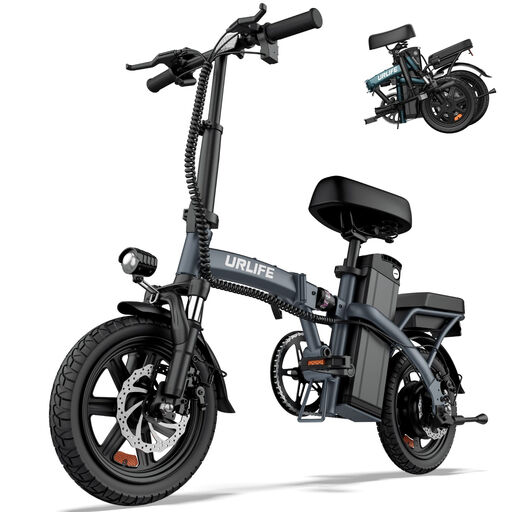
URLIFE 14-inch Folding Electric Bike, 48V 7.5Ah
The folding design and removable battery are listed for compact storage and charging away from the bike.
The listing states a 250 W motor, a 48V 7.5Ah battery, a supplied charger and a claimed maximum range of 40–60 km. Check the exact bike’s continuous rated power and other EAPC requirements; the listed motor figure alone does not establish eligibility.
View on Joybuy
 No image available
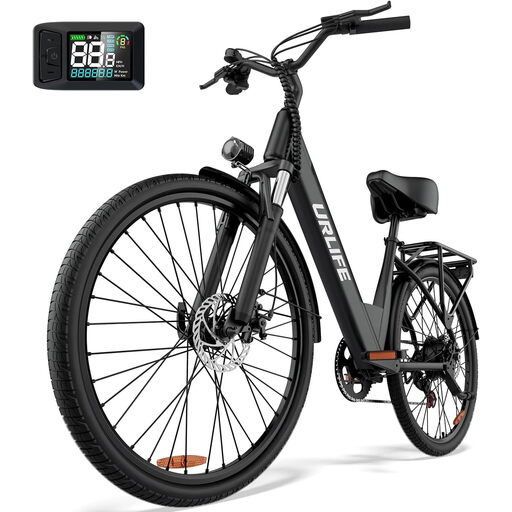
URLIFE 26-inch Adult Electric Bike, 36V 13Ah
The listing describes this adult-size bike for commuting, with pedal-assist operation and a removable battery.
Listed features include a 250 W motor, a 36V 13Ah battery, 7-speed gearing and disc brakes; the stated maximum range is up to 80 km. The listing says assembly is required. Check the exact bike’s continuous rated power, markings and other EAPC requirements before use as an ordinary cycle.
View on Joybuy
 No image available
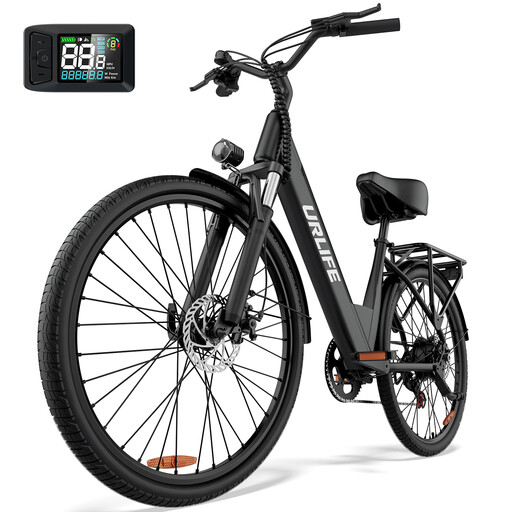
URLIFE E26 26-inch Electric Bike, 48V 10.4Ah
The listing describes a city-commuting bike with pedal-assist operation and a removable battery.
It states a 250 W motor, a 48V 10.4Ah battery and a claimed pedal-assist range of up to 60 km. The listed equipment includes 7 gears, a headlight, a reflector and front disc brakes. Verify the exact bike’s continuous rated power, cut-off and markings; a 250 W listing is not a complete eligibility check.
View on Joybuy
 No image available
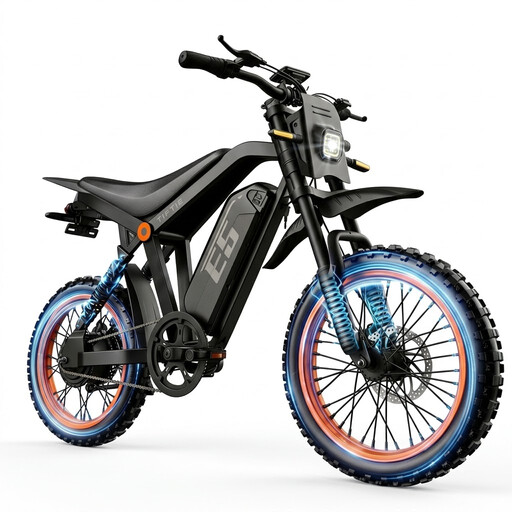
Tietie 14-inch Electric Bike, 48 V 20 Ah
The listing describes a 14-inch format with a removable battery and included charger for everyday travel.
It states an 80 Nm motor, assisted speed of up to 25 km/h and a 50-mile range, alongside dual suspension and dual disc brakes. Check the exact motor cut-off and required markings for Great Britain; a listed speed alone does not establish EAPC eligibility.
View on Joybuy
 No image available
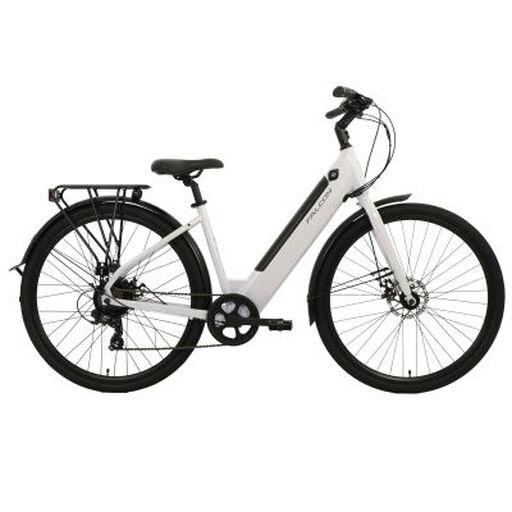
Falcon Liberty Low Step Electric Hybrid Bike
The low-step frame and listed removable battery suit buyers comparing easy mounting with a commuting-style setup.
The listing states a 250 W motor, 368 Wh battery, 7-speed gearing, pannier rack, full-length mudguards and a supplied UK-plug charger. It says assistance cuts off at 25 km/h and that partial assembly is required. Check the exact bike’s markings and documents against the Great Britain EAPC rules before use as an ordinary cycle.
View on Joybuy
Frequently asked questions
What makes an e-bike an EAPC in Great Britain?
GOV.UK says an EAPC must have pedals capable of propelling it, a continuous rated motor output of no more than 250 W and motor assistance that cuts off at 15.5 mph; the rider must be at least 14. Check the exact bike’s required markings and documents as well, since a headline motor figure alone is not enough.
How should I plan e-bike charging in a flat or shared home?
Identify a suitable charging place before choosing the bike, and keep it clear of exits and routes through the home. London Fire Brigade advises using the charger supplied with the battery or one recommended by its manufacturer; follow the maker’s charging instructions.
Can I use a different charger if the plug fits?
Do not choose a charger by connector fit alone. London Fire Brigade recommends the supplied charger or one recommended by the battery’s manufacturer, so confirm compatibility with the exact battery before buying a replacement.
What should I check when buying second-hand or fitting a conversion kit?
Check the exact bike and battery identification, condition, charger compatibility, markings and available manufacturer support. The Department for Transport advises particular care with second-hand, refurbished and converted e-cycles; a kit’s included parts do not verify the completed bike’s installation or legal classification.
Are Northern Ireland’s e-bike rules the same as Great Britain’s?
Use Northern Ireland’s own official guidance rather than assuming that Great Britain’s rules apply. nidirect sets out its EAPC conditions, including pedal capability, motor limits, markings and minimum rider age, and describes the requirements for qualifying EAPCs on public roads.


