Choose a conventional tablet if your folklore collections depend on browser access or tablet apps; for reading in bright daylight, compare ordinary-content brightness and reflection control for the exact model. A larger screen gives scans and annotations more room but adds a handling trade-off, while a glare-free e-reader is a more focused alternative only if it supports your books, files and borrowing services.
Who is each device for?
Outdoor readers who also need tablet apps
If your collection lives in a web archive, library service or reading app, check access on the tablet you intend to buy. For daylight reading, compare its stated ordinary-content brightness and reflection-control features before choosing on other specifications.
Readers of scans and annotated editions
Facsimiles, maps and small footnotes can make page size more important than minimum carry weight. Apple lists a 13-inch iPad Air with anti-reflective coating and 600-nit brightness; compare the weight of the exact model if you expect to hold it while reading.
Readers who prefer a dedicated device
If books and handwritten notes matter more than general tablet apps, a dedicated e-reader may suit your routine. Amazon describes the Kindle Scribe as a glare-free reading-and-writing device; confirm that your collection’s format and source work with it.
What matters when choosing?
Start with how you access the collection: a dedicated e-reader is only an option if it supports the material you want to read. Then balance daylight readability against page size and the weight you are willing to hold.
| Concern |
What to check |
Who this matters to |
| Daylight readability |
Look for a stated SDR brightness figure and reflection control for the exact display or compatible accessory. |
If I read ordinary text outside, glare and legibility matter more to me than an HDR peak figure; around 36% of consumers put daylight readability first. |
| Space for scans and notes |
Compare screen size and the weight of the variant you would carry; check stylus support separately. |
Scanned pages, maps or marginal notes make me want more of the page visible at once. Around 29% of consumers place large-page viewing and annotation first. |
| Apps and portability |
Check your archive or library app on the chosen system, alongside the device’s stated weight. |
I need to move between a collection, web research and other apps without carrying more tablet than I need; around 21% of consumers prioritise that combination. |
| Focused reading |
Confirm the collection’s file format, supplier or lending service before choosing a dedicated reader. |
If most of my time is spent reading books and making notes, I may prefer a focused device to general tablet functions; around 14% of consumers put dedicated reading first. |
Mistakes to avoid
-
Comparing HDR peak brightness with everyday reading brightness
Apple specifies 1,000 nits maximum SDR brightness for the cited iPad Pro, separately from its 1,600-nit peak figure for HDR content. The HDR figure is not the ordinary-text reading figure.
Compare SDR brightness and reflection control for the exact tablet variant you are considering.
-
Choosing the largest screen without considering its weight
A larger display gives scans more room, but it also changes how the tablet feels in your hands. Apple lists the cited 13-inch iPad Air Wi-Fi at 616 g and the 11-inch Wi-Fi model at 464 g.
Decide whether seeing more of a page outweighs the extra weight during your usual reading sessions.
-
Assuming any protector will control glare
Samsung’s anti-reflecting protector is specified for the Galaxy Tab S11. Its stated properties do not establish the performance or fit of protectors for other models.
Check both the tablet model and the protector’s compatibility before ordering.
-
Leaving a tablet in direct sunlight
A Joybuy listing for an iPad Pro 11-inch M5 warns against direct sunlight and instructs users to stop using the product if it overheats, swells or operates abnormally.
Use shade or reposition the device where possible, and follow the safety instructions for your exact model.
Relevant brands to consider
Apple
The cited iPad Pro and iPad Air models are conventional-tablet options for reading alongside other apps.
- Apple specifies anti-reflective coating and 1,000 nits maximum SDR brightness for the cited iPad Pro; its cited 13-inch iPad Air has anti-reflective coating and 600-nit brightness.
- The larger cited iPad Air Wi-Fi weighs 616 g. Published display specifications cannot tell you exactly how reflections will look in your reading spot.
Samsung
Samsung’s cited tablets offer a large-screen route, while its Galaxy Tab S11 has a model-specific anti-reflecting protector.
- Samsung describes the cited Galaxy Tab S11 Ultra as having a 14.6-inch display for viewing even in bright outdoor light.
- Samsung’s protector claim applies to the Galaxy Tab S11 accessory; check the exact tablet and accessory combination rather than extending it to other models.
Amazon Kindle
The cited Kindle Scribe is a dedicated reading-and-writing alternative, not a like-for-like replacement for every tablet app.
- Amazon specifies a 10.2-inch, 300 ppi, glare-free front-lit display for the cited Kindle Scribe.
- Check access to your particular folklore books, scanned documents, archives and borrowing services before choosing it over a conventional tablet.
Joybuy tablet choices
These conventional tablets suit readers who also want general tablet functions. Compare each exact configuration’s display and collection access against your daylight-reading needs; the dedicated e-reader route is a separate choice.
 No image available
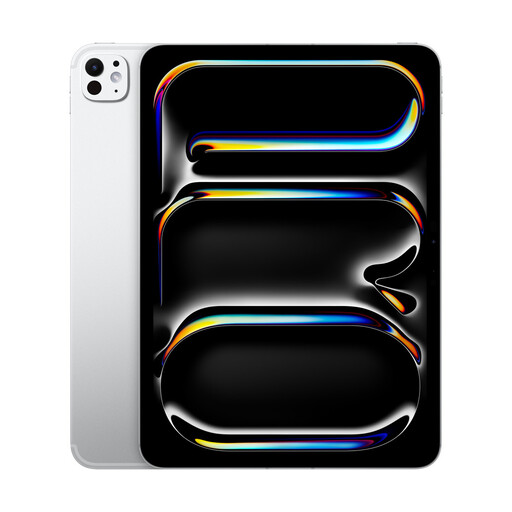
Apple iPad Pro 11-inch (M5), Wi-Fi, 256GB, standard glass, Silver
Consider this conventional tablet if you want to read outdoors while retaining access to tablet apps. Apple specifies anti-reflective coating and 1,000 nits maximum SDR brightness for the cited iPad Pro; the 11-inch Wi-Fi model is listed at 444 g.
The 11-inch screen gives scans and footnotes less room than a larger tablet. Confirm access to your collection and any library service before buying.
View on Joybuy
 No image available
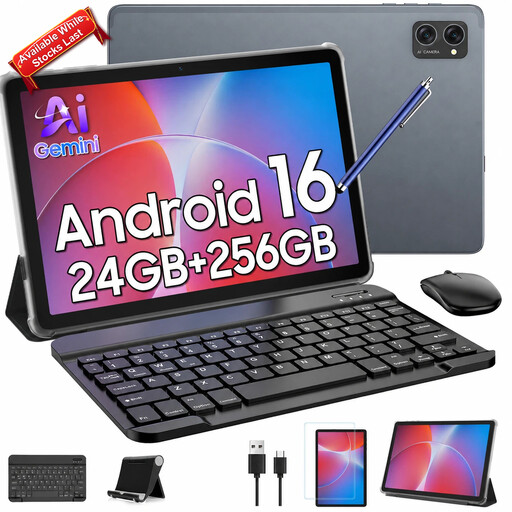
TABWEE T20 10.1-inch tablet, 256 GB, keyboard, mouse and stylus bundle
This tablet is worth checking if you want a compact screen and the keyboard, mouse and stylus named in its bundle title. Confirm the exact supplied bundle and software version before choosing it for reading or annotation.
Ask whether the supplied configuration has the stated anti-glare protector, and check your collection’s format or library service before buying.
View on Joybuy
 No image available
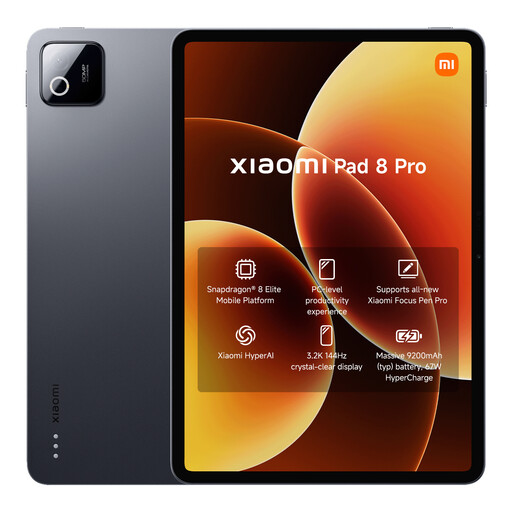
Xiaomi Pad 8 Pro, Grey, 12G RAM, 512G ROM
Consider this conventional tablet if you need reading alongside other tablet tasks and want to check pen-based annotation. Confirm whether a compatible Xiaomi Focus Pen is included or needs to be obtained separately.
For outdoor use, check the exact display’s reflection-control specification and your collection’s format or library access before buying.
View on Joybuy
Frequently asked questions
Which brightness figure matters for reading outdoors?
Compare the SDR or ordinary-content brightness figure where one is stated, alongside reflection control. Apple specifies 1,000 nits maximum SDR brightness for the cited iPad Pro; its separate 1,600-nit peak figure applies to HDR content.
Will an anti-reflecting protector help in bright areas?
A compatible protector may help with reflections, but check its claim for your exact tablet. Samsung says its Galaxy Tab S11 anti-reflecting protector reduces glare in bright areas; that does not establish the same result for other protectors.
Could a Kindle Scribe replace my tablet for folklore reading?
It could suit focused reading and writing if your particular collection is accessible on it. Amazon describes the cited Kindle Scribe as a glare-free reading-and-writing device, so check the books’ format, supplier and any library or archive access before giving up conventional tablet apps.
What should I do with an old tablet in the UK?
Take an unwanted electrical device to an appropriate collection point rather than putting it in household rubbish. GOV.UK guidance on electrical waste identifies collection points as a route for recycling.


