Riders with a permitted private site
If you have the landowner's permission, establish whether the whole ride stays within that site. GOV.UK's public-use restriction also applies to the journey you might take to reach it.


Choose a privately owned e-scooter only if every intended ride stays on private land and you have the landowner's permission. GOV.UK says it cannot be ridden in public, so it will not serve a journey involving a road, pavement, park or cycle lane. Once the route is suitable, check the exact model against the rider and site, and make sure you have a safe place to charge and store it.
If you have the landowner's permission, establish whether the whole ride stays within that site. GOV.UK's public-use restriction also applies to the journey you might take to reach it.
Before choosing a scooter, work out where its battery can be charged without obstructing an escape route. Department for Transport and Electrical Safety First guidance also makes authorised charging equipment an important ownership check.
If your intended journey includes roads or cycle paths, a privately owned e-scooter does not meet that need. Research an electrically assisted pedal cycle (EAPC) that meets the applicable rules instead.
Establish where you can ride before comparing models. If the entire route is permitted private land, assess charging arrangements and the fit between the scooter, rider and site.
| Concern | What to check | Who this matters to |
|---|---|---|
| Permission and route | Trace the entire ride, including access paths, and obtain the landowner's permission. GOV.UK limits privately owned e-scooter riding to private land with that permission. | If I have to cross public space to reach the site, the scooter cannot make that journey for me. Around 36% of consumers put certainty about a permitted route first. |
| Charging and storage | Check the route to manufacturer-authorised replacement equipment and identify a charging spot clear of escape routes and combustible materials. | I need somewhere practical to charge and store the battery without blocking an exit; around 29% of consumers prioritise a manageable charging routine. |
| Rider and site fit | Check the exact model's rider-load limit, tyres, brakes, dimensions and stated range conditions against the intended site. | If the ground is uneven or storage space is tight, I need a model that fits those conditions and the rider. Site-and-rider fit comes first for around 21% of consumers. |
| Public-route alternative | For travel on roads or cycle paths, check an EAPC's pedals, continuous rated motor power and assistance cut-off against the rules that apply where you ride. | I need to travel through public space rather than ride solely on private land, so I need to research another vehicle category. Around 14% of consumers make lawful public-route travel their primary concern. |
A privately owned e-scooter cannot fulfil a trip that requires riding on a public road, pavement, park path or cycle lane, however short that section is.
Map the whole journey before buying. If road or cycle-path travel is the aim, research an EAPC e-bike that meets the applicable requirements.
A replacement battery or charger needs to match the scooter's system. Department for Transport guidance advises buying genuine items authorised by the manufacturer.
Keep the supplied charger where possible. For a replacement, confirm authorisation and compatibility with the exact model and battery.
Charging in an exit route can obstruct escape if a battery incident occurs. Electrical Safety First advises monitoring charging and unplugging when it is complete.
Choose a location away from exits and combustible materials, and plan when you can monitor the charge.
The Office for Product Safety and Standards published a 2023 recall affecting specified Pure Electric Advance and Advance+ e-scooters because some handlebar grips could become loose. That does not establish a fault across the brand's range.
Check safety notices against the exact model and variant, particularly when considering used or older stock, and follow the stated instructions if it is affected.
A recall action may also mean arranging a repair or replacement before the scooter can be used.
Pure Electric lists Air, Escape, Flex and Advance scooter lines. Compare the stated features of the exact model rather than assuming specifications apply across a line.
Segway's eKickScooter catalogue separates children's, urban and all-road-labelled product lines.
Xiaomi lists several Electric Scooter 6 variants, making the precise model name important when comparing features.
Razor's catalogue includes scooters aimed at different age groups.
These scooters are choices to assess for riding on permitted private land, including a children's model and three Xiaomi variants. Check each one against the intended rider, site and charging arrangements; none is an option for riding in public.
 No image available
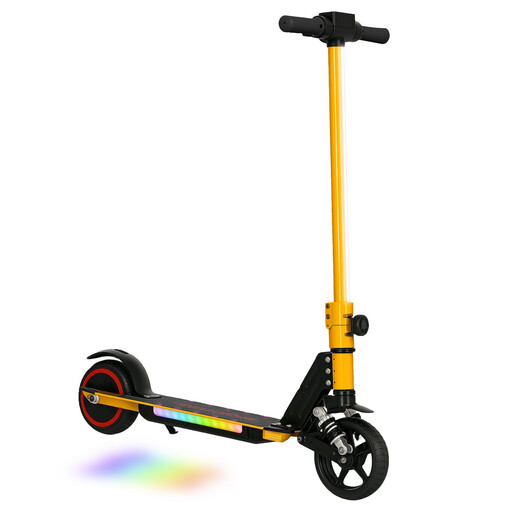
For a child riding on permitted private land, check the stated age range of 6–14 against the intended rider.
The title specifies a foldable design, dual brakes, front suspension, 6.8 kg weight, a maximum speed of 14 km/h and a claimed range of up to 6 km. Check the charger and the exact model's safety status before purchase.
 No image available
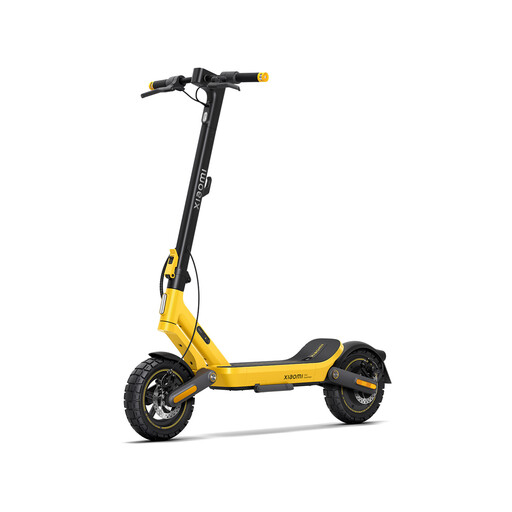
For private-site riding, compare this exact variant's rider limit, tyres, brakes and storage dimensions with your site and available space.
Confirm the authorised charging equipment and exact-model safety status before purchase; do not treat a stated range as the distance every rider will achieve.
 No image available
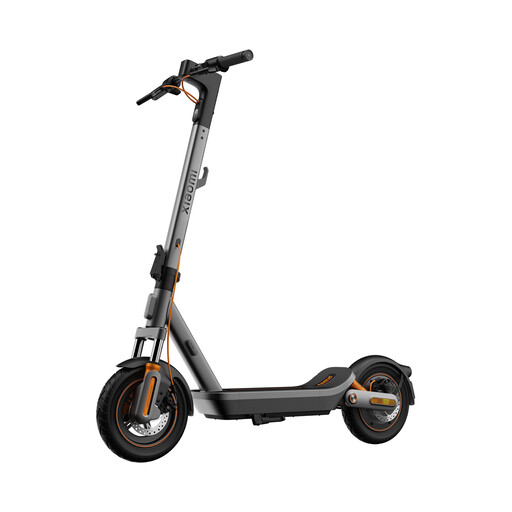
If the private site has uneven ground, check this exact variant's tyre, suspension and braking specifications against the riding area.
Also confirm its rider limits, folded size, charging equipment and exact-model safety status before deciding whether it fits your storage and charging arrangements.
 No image available
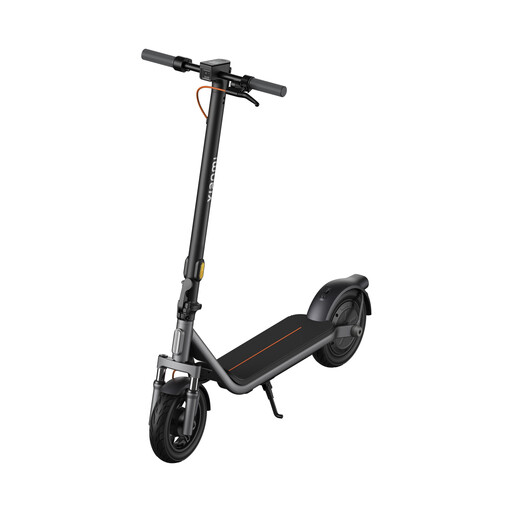
For a shorter private-site ride or limited storage space, check this exact variant's stated range, rider limit, weight and folded dimensions against your needs.
Confirm the authorised charger and exact-model safety status, and allow for actual range to differ from a product claim.
No. GOV.UK says privately owned e-scooters cannot be ridden in public; they may be ridden on private land with the landowner's permission. Rules for official rental trials are separate.
Have a place to charge that leaves escape routes clear and is away from combustible materials. Electrical Safety First advises monitoring charging and unplugging the charger when it is complete; use equipment supplied or authorised by the manufacturer.
Check a used scooter's exact identity and condition carefully, including its safety history. Department for Transport guidance advises particular care with second-hand scooters and says replacement batteries and chargers should be genuine items authorised by the manufacturer.
Search the GOV.UK Product Safety Alerts, Reports and Recalls service and the manufacturer's notices using the exact model and variant. Follow the notice's instructions if your scooter is affected; product registration can also help you receive future safety information.
Research an EAPC e-bike rather than a privately owned e-scooter. For an EAPC in Great Britain, Driver and Vehicle Standards Agency guidance specifies usable pedals, a continuous rated motor output no higher than 250W and assistance that cuts off at 15.5 mph; check all requirements applicable to the exact bike and where you intend to ride.