
24/7 全天候客户支持

免费退货

当日/次日达

品质保障

开启新人专享福利: 全场免邮 | 低至 2 折 | 免费试用 30 天 JoyPlus 会员
下载 Joybuy
Buying an EAA amino acid powder supplement can seem straightforward until you compare serving sizes, amino acid ratios, dietary claims and flavour options. Many UK shoppers end up paying for a large tub that contains fewer active amino acids than expected, or choose a BCAA-only drink when they were looking for a complete essential amino acid supplement.
This guide explains the specifications that matter, the common buying traps to avoid and which formulas may suit different training routines.
BCAAs — leucine, isoleucine and valine — are only three amino acids. A complete EAA formula should provide all nine essential amino acids: histidine, isoleucine, leucine, lysine, methionine, phenylalanine, threonine, tryptophan and valine.
A BCAA and glutamine powder may be suitable for someone specifically seeking those ingredients, but it is not automatically equivalent to an essential amino acids supplement. Check the ingredient and nutrition panel rather than relying on the front-of-pack wording.
A 500g bag appears better value than a 250g pouch, but the practical comparison is cost per serving and amino acid quantity per serving. Serving sizes also vary. For example, some EAA products use approximately 9g per serving, while Applied Nutrition Amino Fuel products may use 10g or 13g depending on the format.
Calculate:
This prevents a large container from disguising a lower active dose.
Free-form amino acids are commonly marketed as quicker to digest than whey protein. Some product listings state a faster absorption rate compared with whey, but individual digestion and training responses vary. Treat this as a formula characteristic, not a promise of faster recovery or improved performance.
A convenient amino acid drink can complement a balanced diet, but it should not replace adequate protein, meals, hydration or rest.
For a complete amino acid supplement for muscle recovery, look for all nine EAAs and transparent quantities for each one. Leucine is often present in the largest amount, but the balance of lysine, threonine, methionine and the other EAAs also matters when comparing formulas.
Products with a clear per-serving breakdown are easier to compare than blends that list only a combined “amino matrix”.
A 4:1:1 ratio contains more leucine relative to isoleucine and valine, while a 2:1:1 ratio is a commonly used balanced BCAA format. Neither ratio should be treated as universally suitable; choose according to the formula you actually want.
If you are comparing an EAA recovery powder with a BCAA and glutamine powder, check whether glutamine is listed separately and how much is provided. Applied Nutrition Amino Fuel formats include EAA, BCAA and L-glutamine, with some 13g servings listing 2,500mg of L-glutamine.
A zero-sugar EAA supplement can be useful for people following a calorie-controlled diet, but “zero sugar” does not always mean unflavoured or additive-free. Check sweeteners, colourings, acids and flavourings if you have specific preferences.
Several MyProtein Impact EAA variants are listed as suitable for vegetarians and vegans. However, some are produced in facilities that handle milk, and certain listings state that they may contain milk, soy or gluten. Anyone with an allergy or intolerance should read the current packaging before purchase.
For competitive athletes, an Informed Choice EAA supplement may be preferable because the product listing identifies certification under the Informed Choice programme. Certification should still be checked on the current packaging and certification database where relevant.
Also check the UK label for recommended use, warnings, best-before information, manufacturer details and storage instructions. Food supplements are not substitutes for a varied, balanced diet and healthy lifestyle.
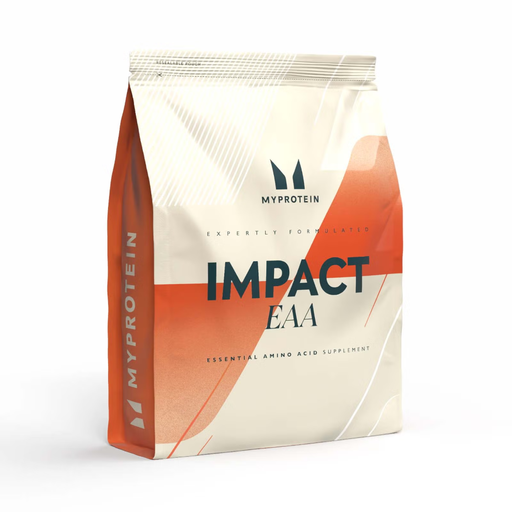
Why This Fits Their Persona: A smaller 250g format gives first-time buyers a practical way to try a complete EAA powder without committing to a larger bag. It provides nine EAAs and is listed as zero calories and zero sugar.
The label provides individual amounts for all nine EAAs, making it easier to avoid confusing a BCAA-only product with a complete formula.
Nine EAAs, a listed 4:1:1 BCAA ratio, vegan and vegetarian suitability, plus a compact format for trial use.
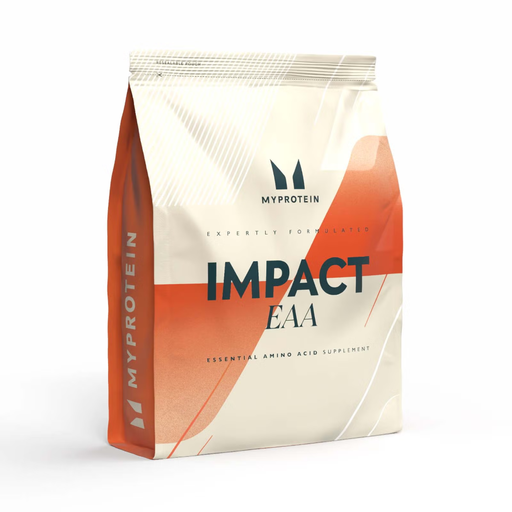
Why This Fits Their Persona: Regular gym users who already know they want a daily EAA drink may prefer the larger 500g format. The product is listed as Informed Choice certified, vegan and vegetarian friendly.
The stated 9g serving provides a full nine-EAA profile, while the certification information offers an additional point to verify before buying.
500g capacity, zero calories and zero sugar as listed, all nine EAAs and a strawberry-and-lime flavour.
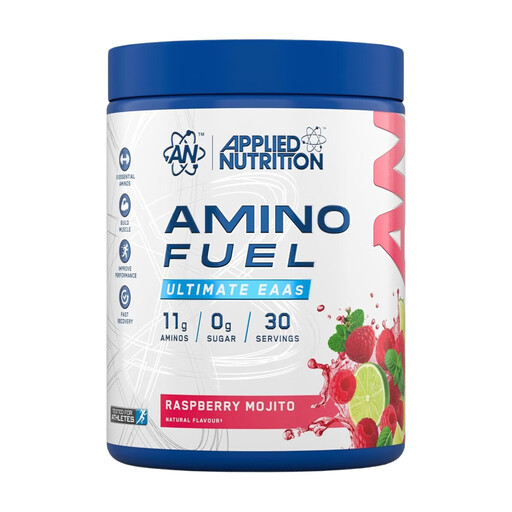
Why This Fits Their Persona: Suitable for adults who want an EAA recovery powder with added L-glutamine for use during or immediately after demanding training sessions.
The product lists EAA, BCAA and glutamine quantities rather than presenting an unspecified recovery blend.
390g format, 9g of listed EAAs per 10g serving, BCAAs and L-glutamine, with a sugar-free formula as stated.
We have compiled a complete, real-time list of products that fully satisfy these strict selection criteria and UK safety regulations.
Follow the serving instructions on the label. Many products are mixed with cold water before, during or after exercise. MyProtein Impact EAA listings commonly specify around 9g mixed with 300ml of water or juice, while Applied Nutrition formats may use 250–400ml depending on the serving.
Do not exceed the recommended daily intake. If you are pregnant, breastfeeding, under 18, taking medication or managing a medical condition, seek advice from a healthcare professional before use.
It depends on your intended formula. EAA powder provides all nine essential amino acids, whereas BCAA products provide three. If you want a complete essential amino acids supplement, check that all nine are listed with quantities.
Some product labels allow use on training and rest days, but timing and quantity should follow the specific instructions. Supplements should sit alongside a varied diet rather than replace normal protein-rich meals.
Divide the net weight by the stated serving size. A 250g pouch used at 9g per day provides roughly 27 servings, while a 390g product used at 10g per serving provides approximately 39 servings. Actual yield may vary because of scoop size and powder settling, so weighing servings gives a more reliable estimate.