
24/7 Customer Support

Free returns

Same-day & Next-day Delivery

Quality Guaranteed

Unlock Your Welcome Offers: FREE Delivery | Up to 80% OFF | Free 30-day JoyPlus trial
Download the APP
Navigating the world of at-home health gadgets can be tricky. The rise of the ear wax removal tool with camera offers a modern way to manage ear hygiene, providing a clear view inside your ear canal. However, the market is filled with devices that promise much but deliver little, often leading to frustration and wasted money. Before you buy, it's crucial to understand the common pitfalls that can turn a helpful tool into a useless or even dangerous one.
As a Joybuy Product Recommendation Officer, my role is to help you sidestep these issues. Here are the key problems UK consumers face and how to choose a device that genuinely delivers on its promise of safe, effective at-home ear care.
Many shoppers are drawn in by flashy marketing, only to be disappointed by poor performance. Be wary of these three frequent issues:
To ensure you're getting a reliable and safe device, focus on these non-negotiable specifications.
For a truly clear picture, the camera's technical specifications are paramount. Look for a device with a specific megapixel (MP) count—a model with an 8MP camera, for instance, will provide a significantly sharper and more detailed image than a vague "HD" claim. This clarity is essential for identifying wax build-up versus the ear canal wall.
Equally important is the lighting. A good ear cleaning kit with camera will feature multiple LED lights (typically 6) surrounding the lens. This illuminates the entire ear canal without creating shadows, ensuring you have a complete and accurate view for safe ear wax removal at home.
This is a critical safety feature. The tips that come into contact with your ear should be made from soft, medical-grade silicone. This material is flexible and gentle, preventing scratches or irritation. Check for a slim tip diameter, around 3.5mm, which is generally comfortable for most adult ear canals. Avoid kits that only provide hard plastic or metal scoops without a soft silicone option for cleaning.
Before purchasing, verify that the device is fully compatible with your smartphone. Most reputable brands offer a dedicated app available on both the Apple App Store (for an ear camera for iPhone or iPad) and the Google Play Store for Android devices. Look for mentions of a stable Wi-Fi connection that pairs the device directly to your phone, as this method is typically more reliable than Bluetooth for streaming video.
Based on these essential criteria, here are some recommendations matched to different user needs.
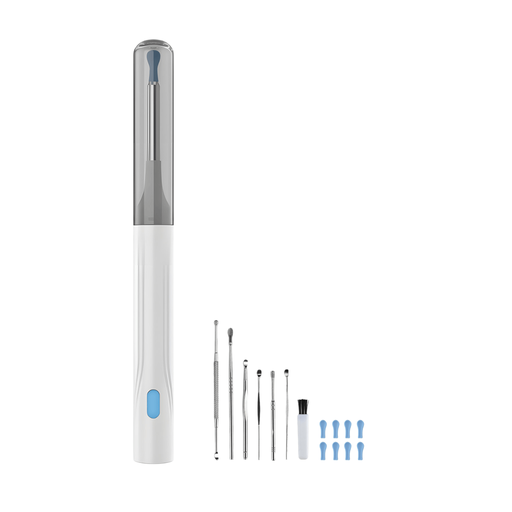
Why This Fits Their Persona: Ideal for a household that values precision and safety. The high-resolution camera provides a crystal-clear view, offering peace of mind when using it for different family members, while the comprehensive kit caters to various needs.
It directly counters the "grainy camera" pitfall with a specified 8MP lens and 6 LED lights for a sharp, well-lit image. It also avoids the "unsafe tips" issue by including soft, 3.5mm silicone scoops.
The IPX5 waterproof lens head can be rinsed for easy, hygienic cleaning. It also comes with a complete 7-piece care kit for a comprehensive solution straight out of the box.
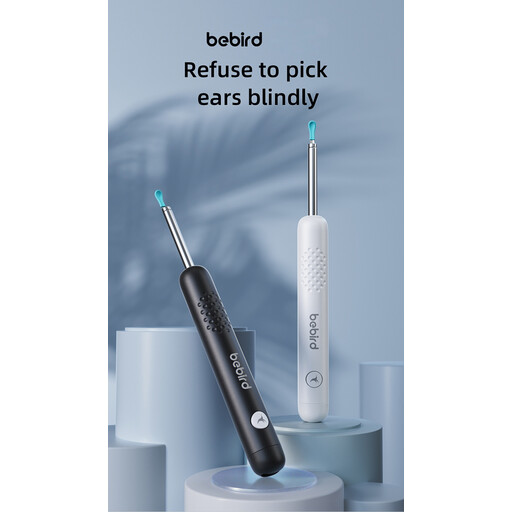
Why This Fits Their Persona: A great starting point for those new to visual ear cleaners. It focuses on a simple setup and offers a "painless ear tweezer" function, which is a gentler alternative for users who are hesitant about traditional scraping scoops.
It tackles the "unsafe tips" concern by providing a different tool—tweezers—for removing wax without scraping the ear canal walls. The app connection is also straightforward, avoiding the connectivity pitfall.
The 3-axis gyroscope helps stabilise the image as you move the device, making it easier to navigate. It also boasts a long 60-minute working time on a single charge.
Why This Fits Their Persona: This device is explicitly marketed for more than just ears. For the user who loves a multi-functional gadget, it can be used to examine teeth, the nasal cavity, throat and even the scalp, making it a versatile home diagnostic tool.
By positioning itself as a multi-use tool, it offers greater value and avoids being a single-purpose gadget that might fail to connect. Its clear compatibility with iOS and Android ensures it works for its intended range of uses.
Its main advantage is its versatility. The ability to share photos and videos with a doctor for telehealth consultations on various issues (not just ears) is a practical, modern feature.
We have compiled a complete, real-time list of products that fully satisfy these strict selection criteria and UK safety regulations.
Hygiene is essential. After each use, detach the silicone tip and wash it with soap and warm water. For the camera lens itself, check if it has a waterproof rating (like IPX5 or higher). If so, you can rinse the lens head under running water. If not, gently wipe the lens with a soft cloth lightly dampened with an alcohol-based cleaning solution. Always ensure the device is completely dry before storing it.
While many devices are designed to be safe for both adults and children, extreme caution is necessary. The ear canal of a child is smaller and more sensitive. Only use tools with very soft, flexible silicone tips. It is advisable that you become fully comfortable and proficient with the device on yourself first. Never use it on a child who is moving, and do not insert the tool too deeply. If you have any concerns about your child's ear health, consulting a GP or paediatrician is always the recommended course of action.
No, you do not need an active internet connection. These devices create their own local Wi-Fi hotspot. You simply connect your smartphone's Wi-Fi directly to the device's signal (as instructed in the user manual). This allows the camera to stream video to your phone's app without using your home internet or mobile data. This also means no data is transmitted over the internet, ensuring your privacy.