Low-volume podcast listeners
If room noise makes spoken recipe steps hard to follow, focus on a comfortable fit and noise reduction rather than simply raising the volume.


Choose earbuds that fit comfortably and let you follow speech without turning the volume up to overcome room noise. Active noise cancelling (ANC) may help with noise reaching you, but it does not tell you how much of your podcast a roommate can hear; check fit, sound leakage, room-awareness controls and battery ratings separately.
If room noise makes spoken recipe steps hard to follow, focus on a comfortable fit and noise reduction rather than simply raising the volume.
If you listen through a full episode, tip fit and pressure may matter more to you than extra features. Consider how easily you can pause or hear someone nearby, too.
If you listen across several episodes, compare playback on one charge with the total available using the case, and consider how you prefer to control playback.
For cooking podcasts in a shared bedroom, start with intelligible speech at a comfortable volume. Then decide whether sustained comfort, awareness of your roommate or fewer charging interruptions is your next priority.
| Concern | What to check | Who this matters to |
|---|---|---|
| Speech at a comfortable volume | Try the supplied tips for a secure fit; check ANC without treating it as a sound-leakage rating. | If room noise masks a recipe step, I want to hear the words without turning the volume up. Around 33% of consumers put speech clarity first. |
| Fit through an episode | Check the available tip or fit-kit sizes and try them gently during normal seated listening. | I want to finish an episode without pressure or a shifting earbud. For around 27% of consumers, lasting comfort is the primary concern. |
| Awareness of a roommate | Check for an accessible ambient or transparency mode and how it works with your device. | When someone speaks to me, I need to notice without fumbling with my phone. Being able to switch to room awareness comes first for around 20% of consumers. |
| Listening across sessions | Compare single-charge playback under the same ANC setting, then look separately at playback with case recharges. | If I listen to several episodes, I would rather not stop midway to charge. Around 20% of consumers make charging convenience their main priority. |
ANC reduces outside sound reaching the wearer; it does not measure sound escaping towards a roommate. Which? treats sound leakage as a separate test consideration.
Keep playback at a comfortable level and check model-specific leakage information where available. If you try earbuds at home, check the retailer's return conditions beforehand.
Sony rates the WF-1000XM5 for up to 8 hours of continuous music playback with noise cancelling on. JBL's up-to-48-hour Live Beam 4 figure describes total playback, not one uninterrupted session.
Compare single-charge figures under similar settings first, then compare totals that include charging-case recharges.
Apple lists five tip sizes for AirPods Pro 3, while Bose supplies tips and stability bands for QuietComfort Ultra Earbuds (2nd Gen). Neither arrangement establishes which size will feel comfortable in your ears.
Try the supplied fit options gently during ordinary listening, and stop using a fit that causes pain or irritation.
Royal Free London NHS Foundation Trust notes that noise-cancelling headphones can reduce the urge to raise volume to block outside noise.
Try a comfortable fit and ANC where appropriate, then use only the volume needed to follow the speech and take listening breaks.
AirPods Pro 3 is an in-ear ANC option for listeners using compatible devices who want several tip sizes and a way to hear their surroundings.
WF-1000XM5 combines an in-ear fit with ANC and an ambient mode for switching between focused listening and room awareness.
QuietComfort Ultra Earbuds (2nd Gen) offers a supplied fit kit and adjustable noise cancelling for listeners who want to fine-tune the in-ear fit.
Live Beam 4 offers adjustable ambient awareness and charging-case controls for listeners who want to change settings without relying solely on their phone.
These earbuds offer noise-cancelling choices for following podcasts in a shared room. Decide how much fit, room-awareness controls and listening time matter to you before comparing the models.
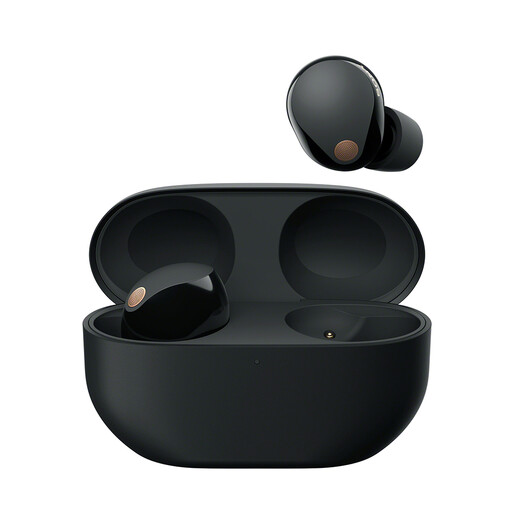 Image unavailable
Consider these if room noise interrupts spoken instructions but you also need to hear someone nearby. Sony lists noise-isolation tips and an ambient mode, plus up to 8 hours of continuous music playback with noise cancelling on; try the fit rather than relying on ANC as a measure of sound leakage.
 Image unavailable
Consider this ANC model if you listen in a shared room and may need to respond to someone nearby. Check how its conversation controls work with your device, and try the fit; do not assume the fit or leakage behaviour of AirPods Pro 3 applies to AirPods 4.
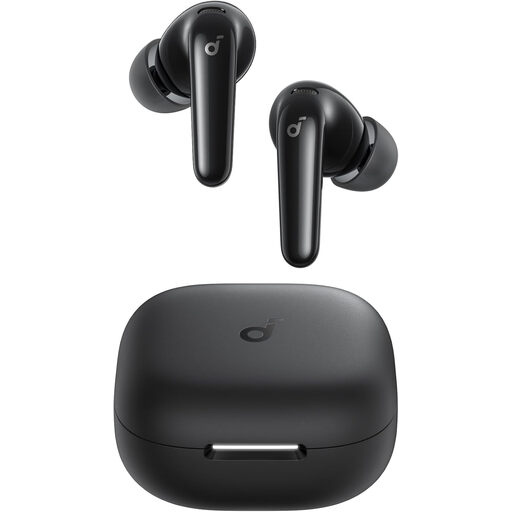 Image unavailable
These ANC earbuds are worth considering if room noise distracts you during repeated podcast sessions. Compare the single-charge and case playback claims under the settings you intend to use, and check fit and room-awareness controls for this model.
No: ANC reduces outside sound reaching you, not necessarily sound escaping from your earbuds. Which? considers leakage separately, so check model-specific leakage information where available and keep playback at a comfortable volume.
Use only enough volume to follow the speech comfortably, and take listening breaks. The World Health Organization advises setting a device to no more than 60% of its maximum volume; that setting alone does not guarantee a safe level for every device or recording.
Follow the instructions for your exact model, particularly before putting earbuds back in their case. For AirPods Pro, Apple says to remove the tips for cleaning and allow the earbuds to dry completely for at least two hours before using or storing them in the case; Apple also notes that debris can affect the seal.
Check a local council or retailer electrical-waste collection route rather than relying on ordinary household-waste disposal. GOV.UK describes UK arrangements for collecting and treating household waste electrical and electronic equipment; confirm which route accepts small battery-powered items and charging cases.