Listeners following the narration closely
You want to catch dialogue and small clues without turning up the volume in a shared quiet space.


Choose in-ear earbuds that fit securely and let you adjust outside sound if occasional noise interrupts detective-story dialogue. In an already quiet library, comfortable fit and playback that others cannot hear matter more than seeking maximum noise cancellation. If you need to hear staff, check how quickly you can switch to ambient sound; for long chapters, compare battery figures for the listening modes you will use.
You want to catch dialogue and small clues without turning up the volume in a shared quiet space.
You may need to pause or let outside sound in when a member of staff, a companion or an announcement needs your attention.
You listen through extended chapters and want a fit you can tolerate, with enough per-charge playback to avoid an interruption.
Start with what most often interrupts your listening, then weigh fit, awareness controls and charging against that need.
| Concern | What to check | Who this matters to |
|---|---|---|
| Distractions during narration | Try the supplied tips for a secure seal; check whether noise cancellation can be adjusted. | If occasional movement or conversation masks a clue, I want to follow the narration without turning it up. Around 36% of consumers put this need first. |
| Fit and audible spill | Check the available tip sizes and test at a low volume whether someone nearby can hear playback. | For a long chapter in a silent area, I need earbuds that remain comfortable without disturbing other readers. This is the primary need for around 29% of consumers. |
| Awareness of other people | Check for an ambient or transparency mode and how quickly you can activate it. | When staff speak or an announcement starts, I want to hear it without removing an earbud. Around 21% of consumers prioritise that control. |
| Charging interruptions | Compare stated playback per charge in your preferred mode, then check case capacity and charging time. | If I listen to several chapters, I would rather not stop midway to recharge. For around 14% of consumers, session length is the main concern. |
Noise cancellation changes what you hear; it does not establish whether people nearby can hear your earbuds. The University of Liverpool Library requires personal listening equipment to be inaudible to others in its Silent Study areas.
Set a low volume and check for sound escaping in a quiet room. Follow the rules of the particular library you visit.
Manufacturer playback figures depend on the conditions quoted for each model. A figure for one listening mode should not be treated as the runtime for every mode.
Compare per-charge figures for the settings you expect to use, then consider the case capacity and charging time if you listen across several sessions.
Having an ambient or transparency mode does not tell you how easily you can switch to it when someone speaks to you.
Check the earbud controls with your phone and try switching between focused listening and awareness while narration is playing.
An earbud that does not suit your ears is not necessarily faulty. Change-of-mind returns and remedies for faulty or misdescribed goods are different questions.
Check the seller's returns and hygiene conditions before use, and try the supplied fit options promptly. If the product is faulty or misdescribed, raise that issue with the seller separately.
Sony UK lists ambient sound mode and multipoint connection for the WF-1000XM5, alongside up to 8 hours of continuous music playback with noise cancelling on.
Bose UK describes Quiet, Aware and custom noise-control options for its QuietComfort Ultra Earbuds models, with multiple eartip and stability-band combinations.
Sennheiser UK lists adaptive noise cancellation, Transparency Mode and assorted tips and fins for MOMENTUM True Wireless 4.
These in-ear choices relate to listening to spoken stories in a quiet library. Compare their fit and controls for your routine, and keep playback inaudible to other readers.
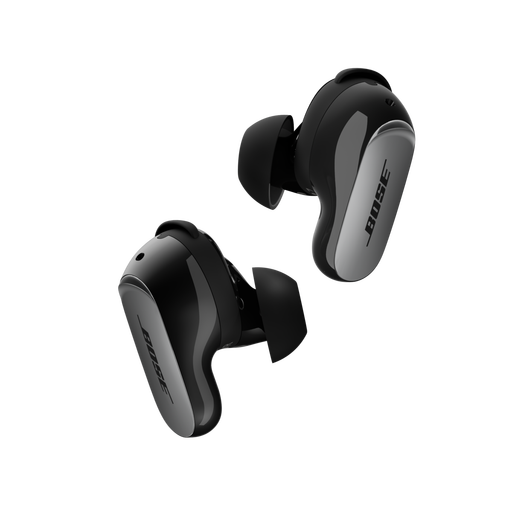 No image available
Consider this wireless Bluetooth model if intermittent sound distracts you from narration. Check its listening-mode controls and fit before relying on it to switch between concentration and conversation.
For longer sessions, compare the playback figure for the mode you plan to use; changing modes can change the stated duration.
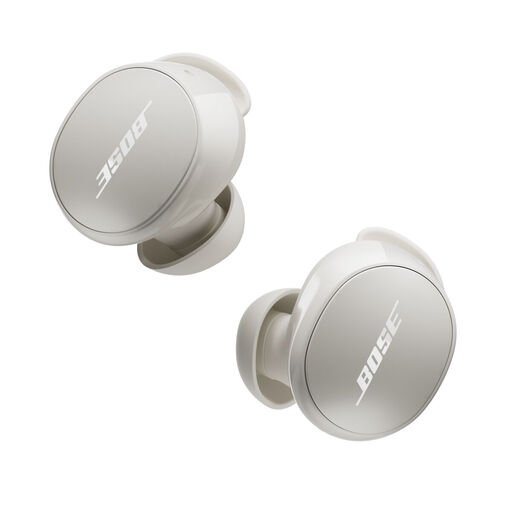 No image available
This wireless Bluetooth model is worth considering if you want to alternate between listening and responding to someone nearby. Try the fit and check that switching listening modes feels straightforward with your phone.
Keep the volume low regardless of the selected mode; noise cancellation alone does not establish whether playback is audible to others.
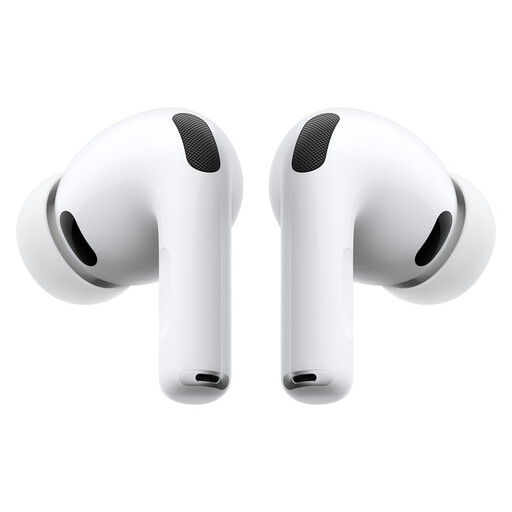 No image available
If you want to follow narration while remaining able to respond to interruptions, check the noise-control settings and how they work with your device.
Try the supplied fit options, and compare the stated per-charge playback under the mode you expect to use.
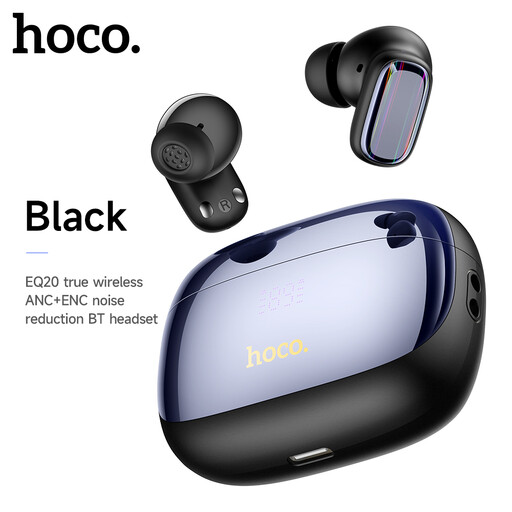 No image available
Consider these for spoken-story listening if you are looking at a wireless noise-reduction design. If hearing staff without removing an earphone matters to you, check the available ambient controls before choosing.
Also check the supplied fit options and charging-case playback for your usual session length.
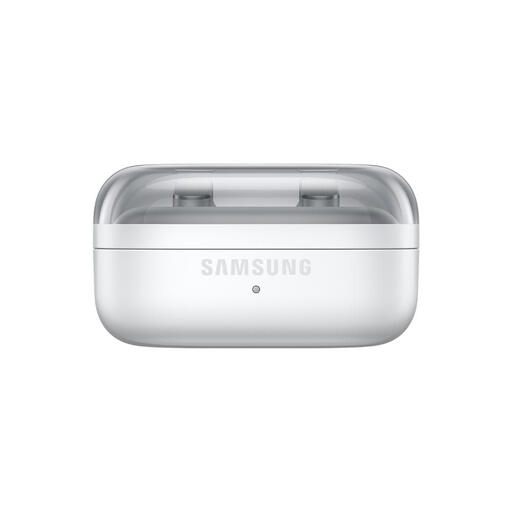 No image available
If you need to hear an interruption during a story, check which ambient-sound settings you can use and how to activate them with your device.
Before planning a long listening session, compare the stated per-charge and case playback times, and check the fit options.
Not necessarily: consider it if intermittent sound makes dialogue difficult to follow, but prioritise a comfortable fit and low volume in an already quiet room. The World Health Organization advises keeping volume down and notes that well-fitted noise-cancelling headphones can reduce the need to raise it in noisy situations; they do not replace library etiquette.
Check that library's rules before listening, and keep playback inaudible to others. GOV.UK explains that local authorities may make byelaws for their libraries; the University of Liverpool Library, for example, requires personal listening equipment to be inaudible to nearby people in its Silent Study areas.
Try the supplied tips with spoken narration at a low level, then check that the fit stays comfortable for a chapter and sound does not escape to someone nearby. If you may need to hear staff, set up and practise the ambient-mode control before your visit.
Check the seller's change-of-mind returns process and any applicable hygiene conditions before opening the earbuds. For eligible UK distance purchases, GOV.UK says customers normally have 14 days from receipt to notify the seller that they wish to cancel, then a further 14 days to return the item. Remedies for faulty or misdescribed goods are a separate matter; ask the seller about those if a problem arises.