Hot-buffet cooks
If you are topping bakes, pizza-style dishes, toasties or potatoes, pre-grated mozzarella and cheddar–mozzarella blends are formats to consider. They can be scattered over a dish without grating a block first.


Choose pre-grated mozzarella or a cheddar–mozzarella blend when your Easter menu needs a topping for hot dishes. For crackers and cold canapés, choose cheese in a spreadable or ready-to-serve format instead; if you want cooking mozzarella but prefer to grate it yourself, a block intended for hot use is another option.
Start with how the cheese will be served: a hot topping and a cold spread call for different formats.
If you are topping bakes, pizza-style dishes, toasties or potatoes, pre-grated mozzarella and cheddar–mozzarella blends are formats to consider. They can be scattered over a dish without grating a block first.
For crackers, dips or a cold Easter spread, look at soft cheese in a tub or portions, or choose a fresh cheese that suits the dish. A packet of grated cooking cheese does not provide the same serving format.
Check each pack when someone needs to avoid milk or another ingredient. For pregnant guests, NHS guidance says certain mould-ripened soft cheeses, including brie, camembert and chèvre, should be thoroughly cooked rather than served cold.
Choose it for: Sprinkling over hot Easter dishes when you want the cheese ready to use.
Trade-off: Loose shreds are not a substitute for a spreadable cheese on crackers.
Choose it for: Hot dishes when you want to grate, shred or slice the cheese yourself.
Trade-off: You will need a grater and time to prepare it.
Choose it for: Crackers, cold canapés or dishes that call for a spreadable cheese.
Trade-off: A tub or portion does not give you loose shreds for topping a bake.
Once you know the serving method, check the particular cheese and pack rather than relying on the category name alone.
| Priority | What to check | Your needs |
|---|---|---|
| Serving method | Check whether the product is grated for topping a hot dish, spreadable for crackers, or intended to be served in another form. | I am making hot food as well as cold nibbles, so I may need different cheeses for each part of the menu. |
| Cooking mozzarella | Look for a product described for hot use if moisture matters to your recipe. Galbani describes its Mozzarella Cucina block as low-water and suitable for grating; that description does not apply to every mozzarella. | For an oven dish, I want to choose the mozzarella format the recipe calls for, rather than assuming a fresh ball and a cooking block behave alike. |
| Flavour | Read the product name and ingredients to distinguish plain cheese from a flavoured option such as Boursin Garlic & Herbs. | Garlic and herbs might suit my savoury canapés, but I would choose a plain cheese if I need to control the seasoning. |
| Preparation | Decide whether you want ready-grated cheese, individually wrapped portions, or a block that needs grating or slicing. | With several dishes to prepare, I want to know what needs doing before guests arrive. |
| Ingredients and storage | Check the exact pack for allergens, storage instructions and its use-by date. For relevant soft cheeses, follow NHS pregnancy guidance on whether they must be thoroughly cooked. | I need to identify what guests can be served and keep chilled cheese according to its own label. |
Grated cooking cheese is ready to scatter over a hot dish; a spreadable soft cheese has a different role on crackers or cold canapés.
List the hot and cold dishes before shopping, then choose a format for each serving method.
Galbani describes Mozzarella Cucina as a low-water product for hot use, while its fresh mozzarella is described for dishes such as a tomato-and-basil salad. Those product descriptions should not be applied to all mozzarella.
For a bake, check whether the specific product is intended for cooking; for a cold dish, check the format the recipe requires.
Boursin Garlic & Herbs brings garlic-and-herb seasoning to a canapé, which may not suit a dish that calls for plain cheese.
Check the flavour before choosing cheese for several different recipes.
Cheese commonly contains milk, and NHS guidance places conditions on serving certain mould-ripened soft cheeses during pregnancy.
Read each pack when planning food for guests with allergies. If pregnancy guidance is relevant, check the type of cheese and whether NHS advice calls for it to be thoroughly cooked.
These examples show where the cooking and cold-serving formats differ; a retailer range does not establish what is in stock at a particular shop.
Galbani UK lists both grated mozzarella and a Mozzarella Cucina block in its hot-use range.
Boursin describes its Garlic & Herbs soft cheese as spreadable on crackers and also offers individually wrapped portions.
Tesco lists grated and sliced cheese separately from soft and spreadable cheese.
Sainsbury's lists 250 g grated mozzarella and grated cheddar–mozzarella mix in its sliced-and-grated range.
M&S lists grated mozzarella and a grated cheddar–mozzarella blend.
Waitrose has separate browsing ranges for grated cheese and soft cheese, as well as an Easter cheese category.
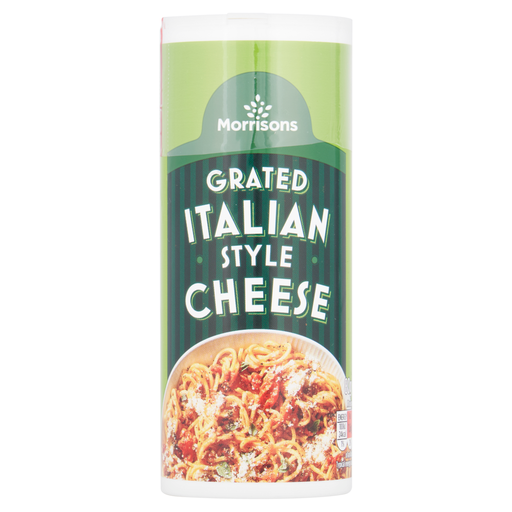
This listed option is for shoppers considering a grated topping for an Easter dish. Check its pack before relying on it for a particular recipe or serving plan.
 No image available
For a hot Easter dish needing a cheese topping, this 80 g product is listed as grated Italian-style cheese. Its product descriptions differ on the format and storage directions, so confirm both on the pack before buying; check the ingredients and allergens for your guests too.
No. UK retailers list grated cooking cheese and soft, spreadable cheese as different formats. Choose according to whether you need a topping for a hot dish or cheese to serve with crackers and cold canapés.
For dishes that need a scattered topping, consider grated mozzarella or a cheddar–mozzarella blend. If you are happy to prepare it yourself, a mozzarella block specifically described for hot use is another option; check the particular product against your recipe.
Choose a cheese in a format you can serve cold, such as a spreadable tub or portions. Boursin describes its Garlic & Herbs cheese as spreadable on crackers; choose a plain option instead if that flavour does not suit your menu.
No. NHS pregnancy guidance says mould-ripened soft cheeses such as brie, camembert and chèvre should be thoroughly cooked. Check the exact cheese and the applicable NHS guidance when planning the cheeseboard.
Yes. The Food Standards Agency identifies milk as a common cheese ingredient, and recipes can differ between products. Use the ingredient and allergen information on the exact pack when shopping for someone with an allergy.