Choose grated cheese for an Easter side that needs a loose topping, and soft cheese for a spread, filling or creamy addition; you may need both if the dishes call for different textures. Plain grated mozzarella gives a milder topping, while a Cheddar–mozzarella blend or four-cheese mix changes the flavour. Check the exact pack for ingredients and handling instructions, particularly when serving guests with allergies or who are pregnant.
Who is choosing the cheese?
Hosts making a baked side
If potatoes, vegetables, pasta or garlic bread need a grated topping, decide whether the dish calls for mild mozzarella or a blend with a more savoury flavour. Check the cheese varieties rather than assuming every grated mix is the same.
Hosts preparing starters or canapés
A cracker topping or filling may call for a spreadable soft cheese instead of loose grated strands. Boursin describes its Garlic & Herbs cheese as creamy, slightly crumbly and easy to spread.
Hosts checking guests’ dietary needs
Read each current pack for ingredients, allergens, storage directions and the date mark. If a guest is pregnant, check the specific cheese and how it will be served against NHS guidance rather than relying on the broad label “soft cheese”.
What should you check before buying?
Start with the job the cheese has in each dish, then check the exact pack before planning how to store and serve it.
| Priority |
What to check |
Your needs |
| Cheese format |
Check whether the recipe needs loose grated cheese or a spreadable or fresh cheese. Tesco lists grated and soft-and-spreadable cheeses in separate ranges. |
For a baked side, I want a grated topping; for crackers or a filling, I need cheese I can spread or spoon. |
| Flavour and blend |
Read the cheese varieties in a grated mix. Marks & Spencer describes its grated mozzarella as mild and creamy, its Cheddar–mozzarella blend as combining Cheddar richness with semi-hard mozzarella’s stretchy texture, and its four-cheese mix as mozzarella, mature Cheddar, Red Leicester and Monterey Jack. |
I would choose a milder topping when the rest of the dish supplies the flavour, or a named blend when I want those cheeses in the finished dish. |
| Ingredients and allergens |
Read the current ingredient and allergen statements for every pack, including any precautionary allergen wording. Do not assume two cheeses in the same category have identical ingredients. |
If guests have food allergies or other dietary requirements, I need to check the particular products I will serve. |
| Storage and serving |
Check the refrigeration instructions, date mark and directions for use after opening on each pack. Boursin says to keep its cheese refrigerated when it is not being used. |
I may prepare part of lunch ahead, so I need to know how to keep each cheese according to its own pack. |
| Pregnancy considerations |
Identify the cheese and check whether it is pasteurised where relevant. The NHS lists pasteurised soft cheeses including cream cheese, mozzarella, ricotta, mascarpone and burrata among cheeses that can be eaten during pregnancy. |
If a pregnant guest is joining us, I want to confirm the specific cheese against NHS guidance before serving it. |
What could lead to the wrong choice?
-
Buying soft cheese for a recipe that calls for grated strands
A spreadable cheese and a bag of grated cooking cheese have different textures, so exchanging them can change how the cheese is distributed through the dish.
Check whether the recipe calls for a topping, spread or filling before choosing the format.
-
Assuming the word “cheese” tells you every ingredient
Guests’ dietary needs cannot be checked from the category name alone; products and blends can have different ingredient and allergen statements.
Read the current pack for each cheese you plan to serve, including any precautionary allergen information.
-
Treating all soft cheeses alike during pregnancy
Cheese type and pasteurisation matter. The NHS specifically lists several pasteurised soft cheeses, including mozzarella and ricotta, as suitable during pregnancy.
Identify the exact cheese on the pack and check the applicable NHS guidance before serving it to a pregnant guest.
Which brand ranges are relevant?
These references help distinguish cheese formats; a brand name alone does not tell you whether an individual pack is grated, fresh or spreadable.
Boursin
A soft-cheese option to consider for crackers or a spreadable filling rather than a bagged grated topping.
- Boursin describes Garlic & Herbs as creamy, slightly crumbly and easy to spread.
- Boursin says to keep its cheese refrigerated when not in use; check the current pack for ingredients and allergens.
Galbani
A fresh-cheese reference when the recipe calls for a particular cheese rather than simply “pre-grated cheese”.
- Tesco lists Galbani mozzarella and burrata products in its soft continental cheese range.
- Check the individual pack’s format if the recipe needs loose grated strands.
Tesco
Its grocery ranges separate grated cheese from soft-and-spreadable cheese.
- The grated range lists mozzarella, Cheddar and mixed-cheese products.
- A product in the soft-and-spreadable range is not automatically a substitute for a grated topping.
Sainsbury's
A reference for comparing named grated-cheese varieties and blends.
- Its listed products include grated mozzarella, a Cheddar–mozzarella mix and a four-cheese mix.
- Choose by the cheeses named on the particular pack, not by the grated format alone.
M&S
Its named grated products illustrate how mozzarella and mixed-cheese options differ.
- Marks & Spencer describes a finely grated mozzarella, a Cheddar–mozzarella blend and a four-cheese mix with its component cheeses named.
- Check the current pack when ingredients or handling instructions affect your choice.
Grated cheese for a baked side
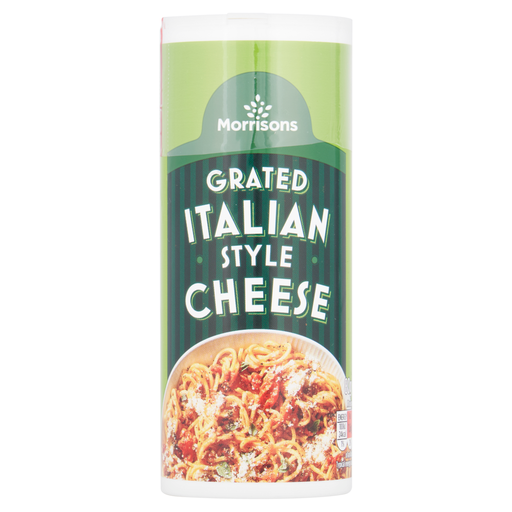
This grated-cheese option is relevant if an Easter side needs a cooking-cheese topping. Check its cheese varieties if your recipe calls for a particular blend; it is not a spreadable soft cheese.
 No image available
Morrisons Grated Italian Style Cheese 80g
The grated format is an option for a baked side rather than a spread or filling. Check the cheese varieties on the current pack if your recipe calls for mozzarella or a particular blend. The product information describes raw milk; check the pack and NHS guidance before serving it to a pregnant guest.
View on Joybuy
Easter lunch cheese questions
Is “pre-grated soft cheese” one type of cheese?
Do not assume it is one interchangeable format. Tesco lists grated cheeses separately from soft-and-spreadable cheeses; choose according to whether the dish needs loose strands or a spreadable component.
Which grated cheese suits a milder baked topping?
Plain grated mozzarella is an option when you want a milder cheese flavour. Marks & Spencer describes its grated mozzarella as mild and creamy; its Cheddar–mozzarella and four-cheese products contain different blends, so check which cheeses your recipe calls for.
What should I check before serving cheese to a pregnant guest?
Check the specific cheese and whether it is pasteurised where relevant. The NHS lists pasteurised cream cheese, mozzarella, ricotta, mascarpone and burrata among cheeses that can be eaten during pregnancy; confirm the product on the pack rather than applying that list to every soft cheese.
How should I keep grated cheese after opening it?
Follow the refrigeration and opened-pack instructions on the cheese you buy. Check them when planning any advance preparation, rather than assuming different products have the same opened life.
Can Boursin stay on the table throughout lunch?
Put it back in the fridge when it is not being used. That is Boursin’s guidance for its cheese; check the pack’s serving and storage instructions for the product you have.


