Hosts feeding a larger family group
A 1.8–2 litre tub gives a larger table more dessert to share, especially if it accompanies another pudding. Check whether one flavour will suit everyone before choosing a single large pack.


For a larger Easter lunch, consider a 1.8–2 litre tub if one flavour will suit the table, particularly when another pudding is being served. Two 900ml–1 litre tubs offer more flavour choice, while a 420–500ml tub makes more sense for a small group or as an additional dessert. Check each pack’s ingredients, allergens and storage instructions before serving.
A 1.8–2 litre tub gives a larger table more dessert to share, especially if it accompanies another pudding. Check whether one flavour will suit everyone before choosing a single large pack.
Two 900ml–1 litre tubs let guests choose between flavours without relying on one large tub. Allow freezer space for both and consider what else is on the dessert table.
Choose the exact product by its current ingredients and allergen declaration, not its flavour name. The Food Standards Agency says allergens must be emphasised in the ingredients list of prepacked food and notes that ice cream can contain nuts.
Start with the number of people and the other desserts being served, then choose the volume and flavours that fit the meal.
| Priority | What to check | Your needs |
|---|---|---|
| Serving volume | Check the stated tub volume and whether it will be the only dessert. Tesco listings include 1.8–2 litre tubs, 900ml tubs and smaller formats; the amount to serve each guest is your decision. | I’m feeding a larger group and serving another pudding, so one large tub could work. For a smaller lunch, I would rather avoid choosing volume alone as the deciding factor. |
| Flavour choice | Decide whether one flavour suits the table or whether two 900ml–1 litre tubs would be more useful. Check that both fit in the freezer. | Guests may want different flavours, so I’d prefer two tubs to a single larger one. |
| Smaller tubs | Check whether a 420–500ml tub is the main dessert or an extra option. Tesco and Waitrose list tubs in this size range, but the pack volume alone cannot determine how many portions you will serve. | A distinct extra flavour appeals to me; I wouldn’t rely on one small tub for a larger table. |
| Dietary suitability | Check the exact product’s dietary description, full ingredients and emphasised allergens. A fruit flavour does not establish that a dessert is dairy-free. | Someone at lunch needs a suitable alternative, so I’ll check every tub they might be served rather than assume a flavour meets their requirements. |
| Frozen storage | Make space before shopping and follow the pack’s storage and handling instructions if the dessert softens. Food Standards Agency evidence notes increased spoilage and foodborne-illness risks when defrosted food is subsequently kept at significantly higher temperatures. | I need to keep the tubs frozen until lunch and know what the pack says about handling them before serving. |
A 420–500ml tub offers less to share than the larger formats listed by Tesco and Waitrose. It may not suit the meal if it is the only dessert.
Decide whether it is an extra flavour or the main dessert. For a larger table, consider serving it alongside a larger tub or another pudding.
The reviewed retailer listings span small tubs through to 2-litre packs. Packaging appearance alone does not tell you how much dessert is inside.
Read the volume on each pack, then consider the number of guests and whether you are buying more than one flavour.
Dessert recipes can include milk, nuts or biscuit pieces even when those ingredients are not obvious from the flavour name. The Food Standards Agency identifies nuts as an ingredient that can occur in ice cream.
Ask guests about their requirements and check the current ingredients and emphasised allergens on every tub you plan to serve.
These ranges illustrate different dessert formats; check the exact product when deciding what to serve.
Tesco’s listed range includes large soft-scoop tubs, 900ml tubs, smaller ice creams and a labelled vegan option.
Waitrose listings include 2-litre soft scoop and smaller 480–500ml luxury tubs.
M&S describes frozen dessert centrepieces as well as a separate range of ice-cream tubs.
Tesco and Waitrose listings show smaller Häagen-Dazs tubs that could provide an additional flavour for lunch.
These Joybuy tubs cover standard sharing sizes and smaller additional flavours for Easter lunch. Check the exact pack if you need a particular dietary option.
 No image available
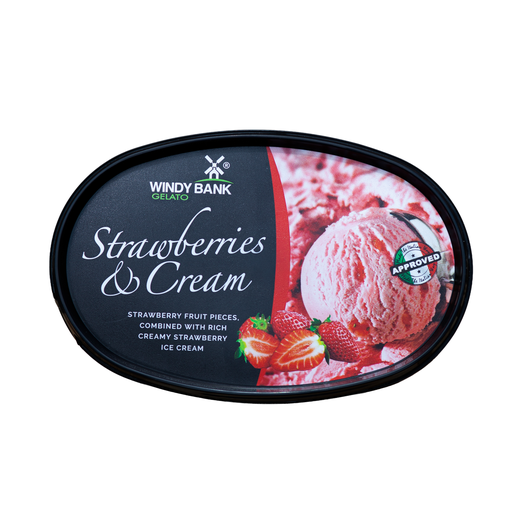
This 900ml strawberry-and-cream tub could be one of two flavours for a medium-sized lunch. Its description identifies milk and possible traces of nuts and peanuts; it also carries an E124 and E102 warning concerning activity and attention in children. Check the current pack before serving.
 No image available
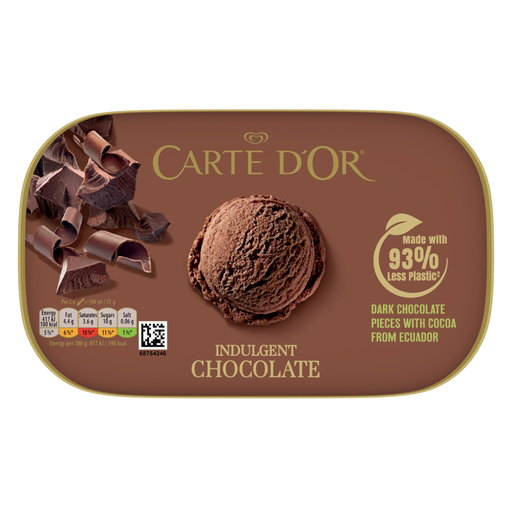
The 900ml format offers a chocolate choice for a medium-sized lunch or a table with two flavours. The description identifies milk and possible traces of soya, gluten and nuts; check the current pack against guests’ requirements.
 No image available
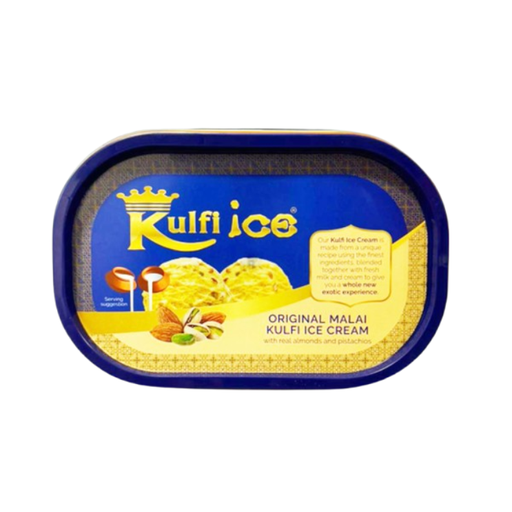
This 1L kulfi tub offers a cardamom-and-saffron flavour for a medium lunch or a varied dessert table. Its description identifies milk as an allergen and gives frozen-storage instructions; check the current label before serving.
 No image available
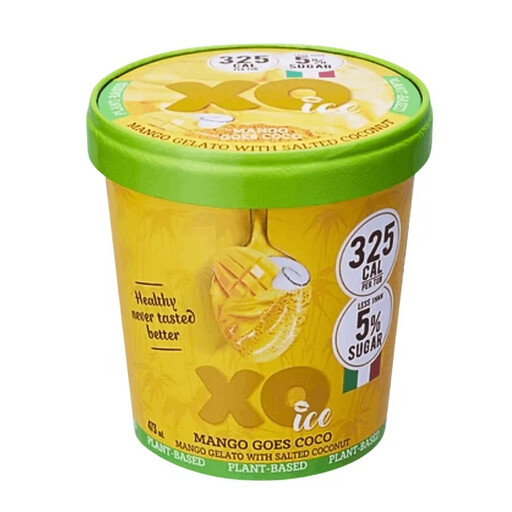
At 473ml, this mango-and-coconut gelato is a smaller option rather than a sole tub for a larger lunch. Its description calls it plant-based and dairy-free, but says it is not suitable for people with a coconut allergy and may contain traces of eggs, peanuts, sesame and tree nuts. Check the current label for each guest’s requirements.
 No image available
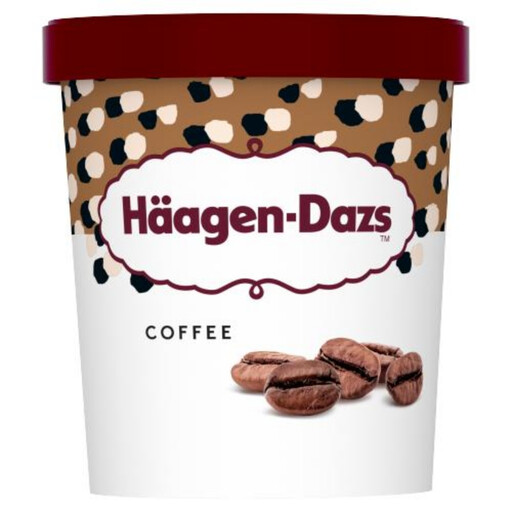
This 460ml coffee ice cream could be an additional flavour or a dessert for a small lunch. Its description identifies milk, eggs and naturally occurring caffeine; check the current pack where those details matter to guests.
Consider a 1.8–2 litre tub for a larger table, particularly if another pudding is being served and one flavour suits the guests. Two 900ml–1 litre tubs offer more choice; a 420–500ml tub is better considered for a small group or as an additional flavour.
Not necessarily: one large tub provides a single choice and may not suit every guest’s dietary requirements. Ask guests what they need, then consider a separate, appropriately labelled tub if required.
Read the full ingredients list and its emphasised allergens on the current pack. The Food Standards Agency says prepacked foods must emphasise allergens in that list and notes that nuts can occur in ice cream and desserts; a flavour name is not an allergen check.
No. Check the exact product’s current dietary description and ingredients rather than inferring suitability from the flavour. Tesco, for example, lists Swedish Glace Vanilla 750ml as non-dairy and vegan, but that description does not apply to other tubs.
Follow the storage and handling instructions on that product’s pack. Food Standards Agency evidence notes that defrosting frozen food and subsequently storing it at significantly higher temperatures can increase spoilage and foodborne-illness risks.