Roast-lunch planners comparing fat
If fat and saturates matter to your menu, compare the per-100g figures on vegetable mixes and prepared sides rather than deciding from the product name alone.


For a lower-fat Easter Sunday lunch, start with plain frozen vegetables or an unseasoned mix, then compare total fat and saturates per 100g with any prepared side you are considering. Waitrose & Partners lists 0.6g fat and 0.2g saturates per 100g for its Essential Frozen British Chunky Vegetable Mix, and 1.0g fat and 0.2g saturates for Essential Mixed Vegetables; both meet the NHS guides of no more than 3g fat and 1.5g saturates per 100g for a low-fat label. What you add during cooking also matters, so check the pack and decide how you will serve the vegetables.
If fat and saturates matter to your menu, compare the per-100g figures on vegetable mixes and prepared sides rather than deciding from the product name alone.
Frozen vegetables offer a side you can plan around the main dish. Check the pack’s cooking method and weight before deciding how much hob or microwave space to set aside.
If cauliflower cheese, glazed vegetables or another prepared dish is on the menu, compare its own ingredients and nutrition panel with a plain vegetable option.
Compare nutrition on a per-100g basis first, then check the pack size and cooking directions against the rest of your lunch plan. The NHS describes 3g or less total fat and 1.5g or less saturates per 100g as low.
| Priority | What to check | Your needs |
|---|---|---|
| Fat and saturates | Compare both figures per 100g on the exact product. Check whether it is plain vegetables or a prepared dish with sauce or added fat. | I want a vegetable side that fits a lower-fat lunch, rather than assuming every item in the frozen-vegetable aisle has the same nutrition. |
| Type of side | Read the ingredients and preparation description. Tesco Groceries lists plain florets alongside prepared dishes such as cauliflower cheese and glazed carrots; the NHS notes that cream- and cheese-based sauces are likely to be high in fat. | A plain mix suits me if I would rather choose the seasoning myself. If I want a prepared side, I will compare that specific pack. |
| Quantity | Check pack weight and any stated servings against the number of diners. Decide whether you need a mix, one vegetable or more than one bag. | There need to be enough vegetables for the table without preparing every portion at once. |
| Cooking and storage | Check whether the pack directs you to cook from frozen, which appliance it specifies and how it should be stored. Birds Eye directs buyers of its Garden Peas 800g to cook them straight from frozen. | With several dishes underway, I need a cooking method that fits the available hob or microwave space and time. |
Plain vegetables and prepared dishes can sit in the same frozen aisle. A name such as cauliflower cheese does not tell you its total fat or saturates per 100g.
Compare the nutrition panels of the exact plain and prepared products you are considering.
The figures on a plain vegetable bag do not include butter or cheese sauce added at home. The NHS notes that cream- and cheese-based sauces are likely to be high in fat.
If reducing fat is the priority, decide how you will season and serve the vegetables before using the bag’s figures to plan the meal.
Products can define a serving differently, making per-serving figures less useful for a direct comparison.
Compare fat and saturates per 100g first, then use the pack weight and stated servings to plan quantities.
Frozen products can have different cooking and storage instructions. Birds Eye, for example, directs buyers of its Garden Peas 800g to cook straight from frozen, not to eat them raw or defrosted.
Read each pack before scheduling the meal, and follow its directions for cooking and storage.
These examples help distinguish plain vegetables from prepared sides; the figures and directions apply to the named products, not every item from each brand or range.
Two plain frozen mixes provide product-level figures for a per-100g comparison.
Garden Peas 800g is a single-vegetable option with preparation directions from Birds Eye.
Tesco Groceries lists both plain frozen vegetables and more prepared vegetable sides.
These options include vegetable mixes, peas and chopped spinach for planning a lunch side. Compare the fat and saturates on the pack you choose, and check how each product should be cooked.
 No image available
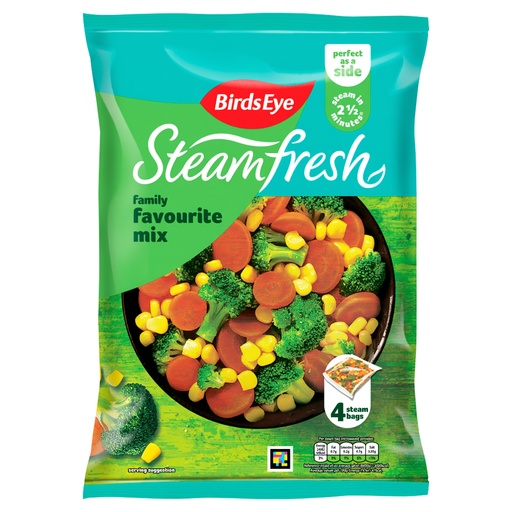
Steam bags offer a way to fit a mixed-vegetable side around other dishes. Check the pack’s nutrition panel and cooking directions before serving.
 No image available
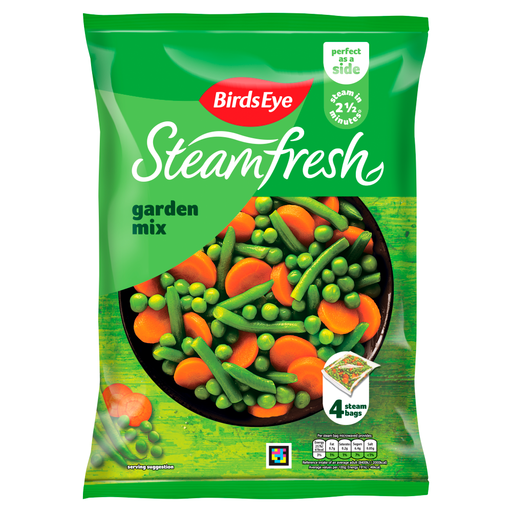
The four-pack steam-bag format may suit a lunch where you want to prepare vegetables in batches. Compare its per-100g nutrition panel with any prepared side you are considering.
 No image available
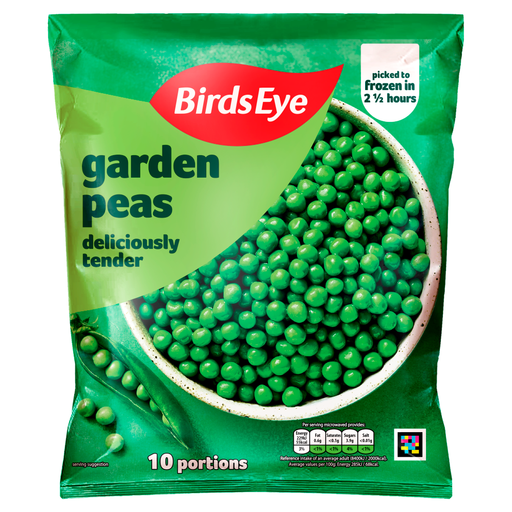
Peas give you a single-vegetable side rather than a mix. Birds Eye directs buyers to cook this product straight from frozen; check the pack’s nutrition panel if fat content is decisive.
 No image available
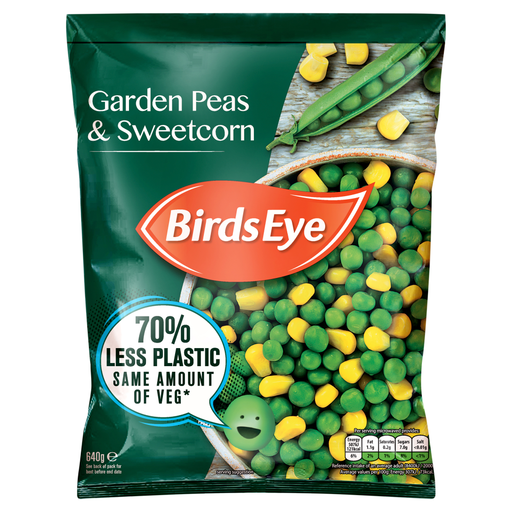
This mix offers peas and sweetcorn in one bag for a shared side. Use the pack’s per-100g figures for the fat comparison and follow its cooking directions.
 No image available
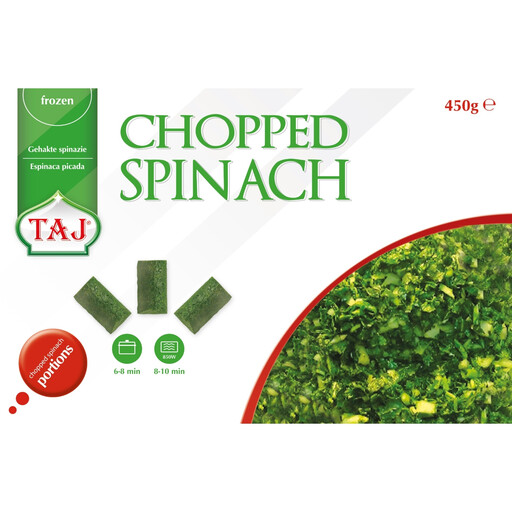
Chopped spinach is an alternative when you want a single vegetable rather than a roast-style mix. Plan how you will serve it, and cook it according to the pack.
Compare total fat and saturates per 100g on the exact pack. The NHS describes 3g or less fat and 1.5g or less saturates per 100g as low; also check the ingredients, particularly when comparing plain vegetables with a prepared dish.
Yes, if its nutrition panel fits your choice and you account for anything added during cooking. Waitrose & Partners lists 0.6g fat and 0.2g saturates per 100g for Essential Frozen British Chunky Vegetable Mix, and 1.0g fat and 0.2g saturates for Essential Mixed Vegetables; butter or sauce added at home is not included in those figures.
Follow the directions for the particular product. Birds Eye says its Garden Peas 800g should be cooked straight from frozen and not eaten raw or defrosted; do not assume the same directions apply to every bag.
Check the pack’s freezer temperature and cooking instructions before planning the meal. Birds Eye specifies storage at −18°C or cooler for its Garden Peas 800g and directs buyers to cook them straight from frozen until piping hot.