What should you check?
Start with the portion each person will receive, then use the nutrition and ingredient panels to decide whether that particular bar suits the group.
| Priority |
What to check |
Your needs |
| Calories per handout |
Compare kcal per complete bar and note its weight. Use kcal per 100g to compare bars of different sizes; GOV.UK says energy is displayed per 100g and may also be shown per portion. |
I want to know the calories in the treat each person actually receives, not just the figure for 100g. |
| Other nutrition figures |
Read sugars, saturated fat and salt alongside kcal, using the same serving basis. Check what a ‘no added sugar’ or protein claim describes rather than treating it as a calorie figure. |
A bar with fewer kcal may still have other nutrition figures I want to compare for the planned treats. |
| Allergens and age |
Check the current pack’s ingredients and ‘may contain’ statements for the exact flavour. Check whether it contains whole nuts if children under five will attend; GOV.UK advises against giving whole nuts to that age group. |
Before I share bars, I need to know which attendees can have each one and whether its contents are age-appropriate. |
| Pack portions |
Check the number and weight of bars in the pack, and whether the packaging suits the way you plan to distribute them. Do not assume bars in a multipack have the same serving size as another product. |
I’m counting out one treat per person, so the number of bars and the portion in each matter. |
Brand examples to compare
These examples illustrate different portion sizes and ingredient checks; a brand name alone does not establish the nutrition or suitability of every flavour.
nākd.
The manufacturer lists Blueberry Muffin as a 35g fruit-and-nut bar.
- nākd. states 131 kcal per 35g bar.
- Its listed ingredients include cashews and almonds; check the current pack before sharing it.
Eat Natural
Almond & Apricot Yoghurt is a 40g cereal-bar example with a yoghurt coating.
- Eat Natural lists 190 kcal per 40g bar.
- It contains milk and almonds and may contain other nuts, peanuts and soya.
Nature Valley
Protein Peanut & Chocolate illustrates why protein and calories need separate checks.
- Nature Valley states approximately 10g protein and 4g fibre per 40g bar.
- The manufacturer states 196 kcal per bar; check its peanut and other allergen information before buying for a group.
Graze
Lively Lemon Oat Boost is a 50g oat-bar example, rather than a like-sized substitute for every smaller bar.
- Tesco Groceries lists 214 kcal per 50g portion.
- The retailer’s listing says Graze foods are packed in the same place and may contain eggs, peanuts, nuts, mustard, sesame and cereals containing gluten.
TREK
Cocoa Oat is a 50g flapjack example for shoppers considering an oat-based bar.
- Check the exact pack’s kcal per bar and allergen statement before choosing it for the hunt.
Alpen
Check the exact product rather than relying on nutrition figures for an older Alpen bar line.
- Alpen’s UK FAQ lists Alpen Light Bars Chocolate & Orange among products no longer made.
Snack bars on Joybuy
These are snack-bar packs to consider for an Easter egg hunt. Compare the portion in each pack and check the current label for nutrition and allergens before deciding what to hand out.
 No image available
Nakd Blueberry Muffin Fruit & Nut Bars, 4 x 35g
A four-bar pack to consider when handing out one 35g bar per person. Nakd’s Blueberry Muffin information states 131 kcal per bar and lists cashews and almonds; check the current pack for full allergen information.
Joybuy
 No image available
Special K Dark Chocolate Snack Bars, 6 x 21.5g
Each of the six listed bars weighs 21.5g, so compare its per-bar nutrition with larger options rather than judging by pack size. Check the current label for kcal and allergens before distributing it.
Joybuy
 No image available
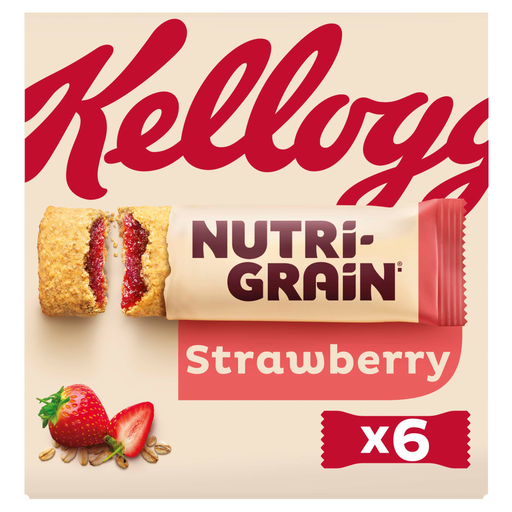
Kellogg's Strawberry Nutri Grain Bars, 6 Pack, 222g
The pack is listed as six strawberry bars with a total weight of 222g. Check the current label for the kcal per bar and ingredients before choosing it for children with dietary requirements.
Joybuy
 No image available
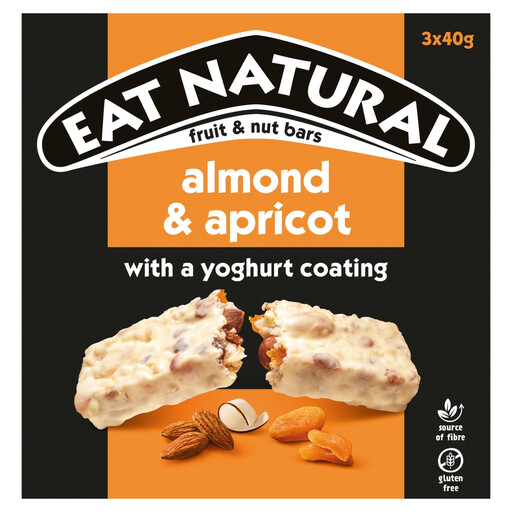
Eat Natural Almond, Apricot & Yoghurt Bars, 3 Pack, 120g
Eat Natural lists 190 kcal per 40g Almond & Apricot Yoghurt bar. It contains almonds and milk and may contain other nuts, peanuts and soya, so check the current pack against attendees’ allergies.
Joybuy
 No image available
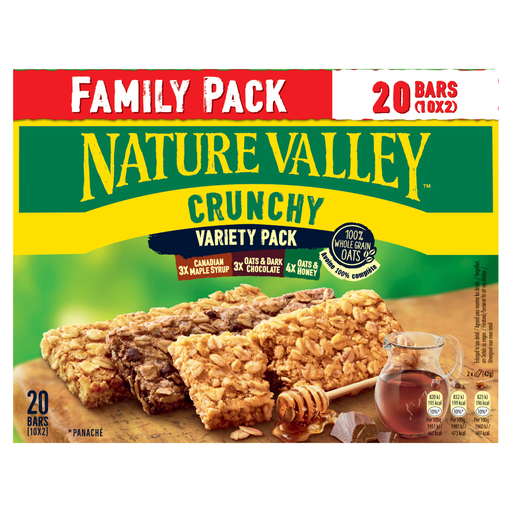
Nature Valley Crunchy Family Variety Pack, 10 x 42g
This variety pack lists ten 42g portions. Check the nutrition and allergen information for each variety you intend to hand out, particularly if attendees have different dietary requirements.
Joybuy
Questions about choosing bars
Does fewer kcal per bar make a snack bar ‘low calorie’?
Not necessarily: portion calories and the condition for a ‘low energy’ claim are different measures. For solid foods in Great Britain, the legislation.gov.uk condition is no more than 40 kcal per 100g, within the claims regime described by GOV.UK. Compare kcal per complete bar to choose a portion, but do not treat a small bar as meeting that claim condition.
Which of the five brand examples has the fewest stated kcal per bar?
In the five-bar comparison described in the brand information, nākd. Blueberry Muffin has the lowest stated figure at 131 kcal per 35g bar, according to nākd. That is not a ranking of every product on this page or every snack bar; its ingredients include cashews and almonds, which matter when buying for a group.
Does ‘no added sugar’ tell me a bar’s calories?
No. The phrase does not give you the bar’s energy value. Read kcal and sugars on the nutrition panel for the complete portion you plan to hand out, rather than substituting a front-of-pack claim for those figures.
What should I check before giving nut-containing bars to young children?
Check the exact bar’s ingredients, texture and allergen information before distributing it. GOV.UK’s early-years choking guidance says whole nuts should not be given to children under five; an attendee’s nut allergy also requires you to check both ingredients and relevant ‘may contain’ statements.
What if the bars come from a café or stall?
Check how the food is packed and read the information supplied with that exact item. For food prepacked for direct sale, the Food Standards Agency and Food Standards Scotland describe a labelling requirement in force since 1 October 2021 to display the food name and a full ingredients list with the 14 regulated allergens emphasised. For branded packaged bars, read the current pack as formulations and precautionary statements can differ by flavour.


