Who is choosing the soup?
The intended role of the soup—and the people eating it—matter more than choosing by flavour alone.
Hosts planning a small starter
A smooth vegetarian soup can precede a larger Easter lunch, provided every guest can eat its ingredients. Marks & Spencer’s Cream of Tomato contains double cream, so its vegetarian label does not make it suitable for someone avoiding milk.
Hosts serving mixed dietary needs
When guests have vegetarian, vegan or allergen requirements, check the exact tin rather than relying on the soup style. Marks & Spencer labels its Chunky Mexican-style Chilli and Bean Soup vegan, but also states that it is not suitable for people with milk or egg allergy.
Shoppers serving soup as a light meal
A chunky soup may fit a larger bowl better than a smooth starter. Marks & Spencer describes its Chunky Chicken and Vegetable Soup as containing chicken pieces, vegetables and pearl barley; it is not a choice for vegetarian guests.
What should you check?
Choose the soup’s role in the meal first, then check dietary fit, the amount needed and the current label.
| Priority | What to check | Your needs |
|---|
| Dietary fit |
Read the vegetarian or vegan claim alongside the ingredient and allergen statements. Check the actual tin before serving. |
I need a soup every guest can eat. A vegetarian creamy tomato soup can contain milk, while a vegan-labelled bean soup may still carry a milk or egg allergy warning. |
| Place in the meal |
Decide whether the soup is a small starter or a larger bowl. Compare smooth recipes with those containing chicken, barley or beans. |
Before a full Easter lunch, I may want a modest starter; if soup is the main part of the meal, I may prefer a chunkier recipe. |
| Portions |
Check the tin’s weight and any serving guidance. Plan how much each diner will have rather than treating a 400 g tin as a fixed number of portions. |
One tin needs to cover the bowls I intend to serve, whether I am offering tastes before lunch or a larger serving to one person. |
| Nutrition label |
Compare nutrients on the same basis, such as per 100 g, then consider the quantity served. The NHS advises using nutrition labels to compare foods. |
If salt or another labelled nutrient matters to my shopping decision, I want to compare the amount in the soup I will actually serve. |
| Storage and preparation |
Read the tin’s heating, best-before and opened-product storage instructions; these can differ between soups. |
I may prepare lunch around other dishes or keep leftovers, so I need the instructions for the particular tin I buy. |
Brand references for tinned soup
These references describe relevant ranges and examples, not a ranking of brands or a list of products available on Joybuy.
M&S Food
Marks & Spencer lists 400 g tomato, chicken-and-vegetable and chilli-and-bean soups with distinct ingredients and dietary statements.
- Its individual product information helps distinguish a vegetarian creamy starter from meat-based and vegan-labelled recipes.
- Dietary labels still need to be read alongside the allergen information on the current tin.
Heinz
Tesco Groceries lists several Heinz 400 g soup flavours, including chicken noodle, carrot and coriander, and potato and leek.
- The listed flavours offer different starting points when choosing a soup style.
- Check the ingredients and allergens of the particular Heinz tin rather than applying one flavour’s details to the range.
Campbell’s
Campbell’s presents soup among its UK food products, including soups used in meals and recipes.
- Consider the particular product’s format and instructions if it is intended as a starter rather than a recipe ingredient.
- Check the selected tin’s ingredients, allergens and preparation directions before serving guests.
Tesco
Tesco Groceries lists its own-label Cream of Tomato Soup in a 400 g tin alongside branded soups.
- The listed single-tin format can be considered when shopping for a starter.
- Use the individual product’s current label to assess dietary fit; an own-label range name does not establish the recipe.
Single-tin options on Joybuy
These 400 g soups offer chicken, bean, pea and vegetarian vegetable styles for the Easter lunch decision. Choose by the intended portion and the dietary information for each tin; the list is not a comparison of every soup style discussed above.
 No image available
Heinz Cream of Chicken & Mushroom Soup 400g
A chicken-and-mushroom option when guests want a meat-based soup. Its product information identifies milk and wheat allergens; check the current tin and plan how the 400 g will be portioned.
View on Joybuy
 No image available
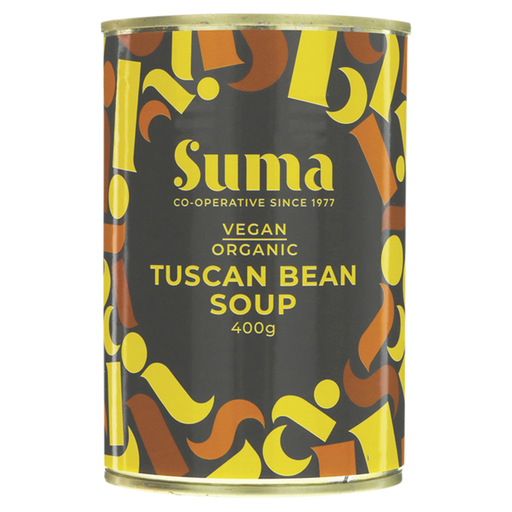
Suma Organic Tuscan Bean Soup 400g
A bean-and-vegetable option to consider for a larger bowl. The product information identifies celery; check the tin’s full allergen statement and dietary suitability before serving guests with specific requirements.
View on Joybuy
 No image available
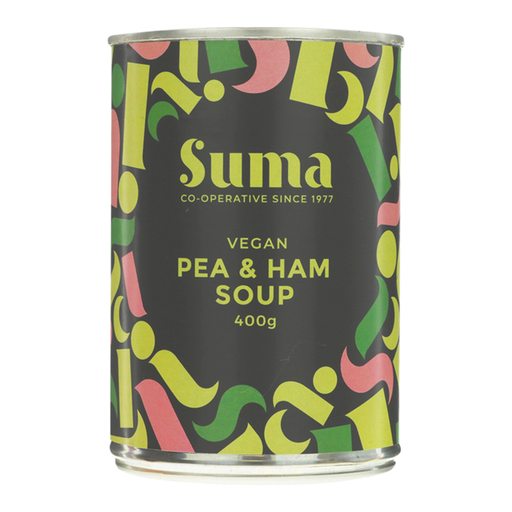
Suma Pea & Vegan Ham Soup 400g
A pea-based option for a more substantial bowl. Despite the vegan wording in its name, the product information identifies milk, soy and wheat allergens. Confirm the current tin’s ingredients and suitability before choosing it for vegan guests or anyone who must avoid those allergens.
View on Joybuy
 No image available
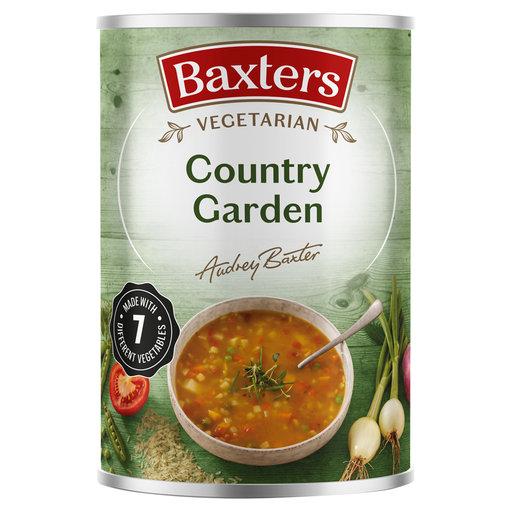
Baxters Vegetarian Country Garden Soup 400g
A vegetarian vegetable-and-rice soup to consider instead of a meat-based recipe. Its product information identifies milk, so it is not a choice for guests avoiding milk or requiring a vegan soup. Check the current label and the portions needed.
View on Joybuy
Questions about serving one tin
Will one 400 g tin serve everyone at lunch?
Not necessarily. The tin’s weight tells you how much soup it contains, not how many Easter lunch portions you have planned. Check any serving guidance on the can and decide the amount per bowl in the context of the rest of the meal.
Should I check the can if I have read the supermarket listing?
Yes. Read the current can’s ingredients and allergen statement before serving, particularly if a guest has an allergy. Product information can change, so the tin you bought is the relevant one to check.
Which soup should I consider for vegan guests?
Look for an explicit vegan label and check the same product’s ingredients and allergy-suitability statement. Marks & Spencer labels its Chunky Mexican-style Chilli and Bean Soup vegan but says it is not suitable for people with milk or egg allergy. Do not assume the Joybuy-listed Suma Pea & Vegan Ham Soup meets vegan requirements: its product information also identifies milk.
What should I do with soup left after opening a tin?
Follow that tin’s opened-product storage instructions, including its container, refrigeration and use-by guidance. Do not apply one soup’s directions to another product.
How can I compare the salt in two soups?
Compare the nutrition panels on the same basis, such as salt per 100 g, then consider the quantity you expect to serve. The NHS advises adults to have no more than 6 g of salt a day; the labelled amount in a bowl depends on its portion size.


