What matters when choosing
Start with the texture the eater needs, then consider how to keep the whole serving moist. Preparation effort and ingredient checks can guide the choice between dried pasta, a separate sauce and a packet meal.
| Concern |
What to check |
Who this matters to |
| Finished texture |
Cook until soft rather than deliberately firm. Check the served pasta’s texture and bite size against the eater’s needs. |
If firm pasta takes too much effort to chew, I need the cooked pieces to be soft and manageable. About 36% of consumers put finished texture first. |
| Moisture and sauce |
Choose a sauce that can coat the pasta well, and assess any toppings as part of the whole dish. |
When pasta feels dry, I need a moist serving without hard or stringy additions. Keeping the meal well coated is the primary concern for about 29% of consumers. |
| Preparation effort |
Compare the cooking and stirring steps for packet pasta, dried pasta and stir-in sauce; check the finished texture in each case. |
On a day with little time for cooking, I want fewer steps but still need to assess the meal before serving. About 21% of consumers prioritise preparation ease. |
| Ingredients and dietary range |
Read the current ingredient and allergen statements for the exact product. |
If I need to avoid a particular ingredient, the pack label has to fit that need before I consider how to prepare the pasta. Ingredient or dietary-range choice comes first for about 14% of consumers. |
Joybuy pasta selections
These selections include dried pasta for meals prepared with sauce and an individual pasta pot for a quicker preparation route. For an easy-chew meal, the deciding check remains the texture of the complete serving.
 Image unavailable
Morrisons Fusilli 500g
Consider this fusilli for a dried-pasta meal with sauce. Cook and check the pasta for the softness the eater needs, and read the current pack if allergens matter.
View on Joybuy
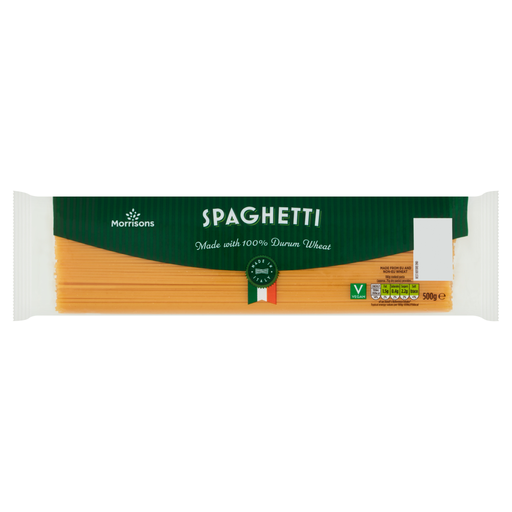 Image unavailable
Morrisons Spaghetti 500g
This dried spaghetti suits a meal where you want to cook the pasta and add sauce separately. Check that the cooked strands, serving size and complete dish meet the eater’s texture needs.
View on Joybuy
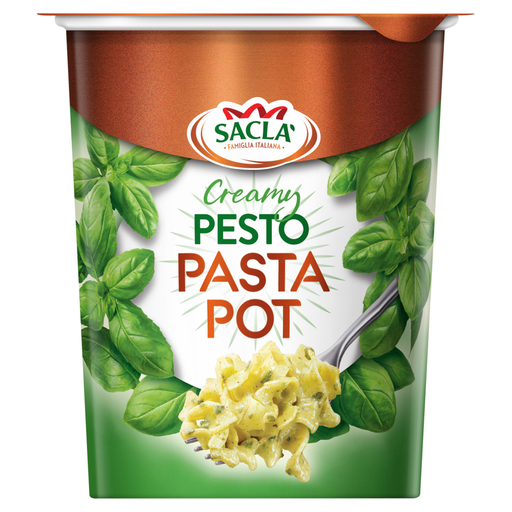 Image unavailable
Sacla Creamy Pesto Pasta Pot 80g
An individual pasta pot is an option when fewer preparation steps matter. Do not assume its finished pasta or pesto meets an easy-chew texture; inspect the whole pot and check the current allergen label before serving.
View on Joybuy
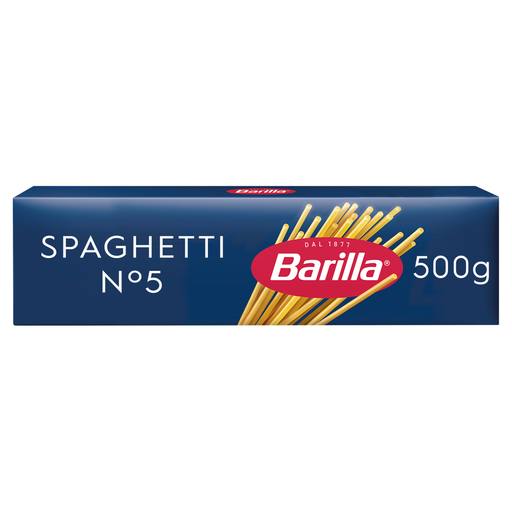 Image unavailable
Barilla Spaghetti 500g
Choose this dried spaghetti if you plan to prepare the sauce separately and can assess the pasta after cooking. A deliberately firm result is not a substitute for checking the texture needed by the eater.
View on Joybuy
 Image unavailable
Cornwall Pasta Co. Macaroni 500g
This macaroni is a short-shape option for a sauce-led meal. Check how to prepare it until soft enough for the individual: a firm al dente serving should not be assumed suitable.
View on Joybuy
Common questions
Can ordinary dried pasta be used for an easy-chew meal?
It can be considered when the finished pasta is soft, tender and suitably moist for the person eating it. International Dysphagia Diet Standardisation Initiative guidance focuses on the texture that the individual can chew and swallow, so assess the served dish rather than assuming an uncooked product or pasta shape qualifies.
Should I cook pasta al dente if it needs to be easy to chew?
Do not choose a deliberately firm result without checking the eater’s needs. Sainsbury’s says shorter cooking leaves its macaroni firmer, whereas easy-to-chew guidance calls for soft, tender food; assess the pasta after cooking.
Is sauce enough to make a pasta dish easy to chew?
No. Sauce can moisten well-cooked pasta, as described in NHS texture guidance, but a firm centre or hard, fibrous or stringy additions may still make the complete dish unsuitable.
What if someone has dysphagia or an increased choking risk?
Follow that person’s prescribed texture and swallowing guidance rather than relying on a general pasta choice. International Dysphagia Diet Standardisation Initiative guidance does not treat Level 7 Easy to Chew as suitable for someone at increased choking risk; ask the relevant health professional about the meal’s required preparation.
What should I check when buying pasta for an allergen-related diet?
Read the current ingredient and allergen information for the exact pasta and sauce. The cited standard products include wheat-based pasta, while the M&S spaghetti example carries an egg-allergy caution; neither a familiar shape nor a retailer’s wider dietary range establishes the suitability of a particular pack.


