
24/7 Customer Support

Free returns

Same-day & Next-day Delivery

Quality Guaranteed

Unlock Your Welcome Offers: FREE Delivery | Up to 80% OFF | Free 30-day JoyPlus trial
Download the APP
As a motorcyclist in the UK, choosing a new helmet involves more than just picking a colour you like. With safety standards evolving, ensuring your gear is up to date is crucial. The introduction of the ECE 22.06 motorcycle helmet regulation has raised the bar for protection, but it can also add a layer of confusion to your purchase.
This guide is designed to cut through the clutter. We will explain what the new ECE 22.06 certification means for you, what to look for in a modern helmet and provide a few practical recommendations that meet these stringent new safety requirements.
Before you decide, it’s important to understand the fundamentals. A helmet is the single most important piece of safety equipment you will buy, so a well-informed choice is essential.
For years, the ECE 22.05 standard was the benchmark for a road legal motorcycle helmet UK. The new UN ECE 22.06 regulation is a significant update, introducing more rigorous testing procedures. Helmets certified under this new standard have been subjected to:
While your existing 22.05 helmet remains legal to use on the road, all new helmets sold in the UK and Europe must now meet the 22.06 standard. Opting for an ECE certified helmet with the latest 22.06 rating ensures you are getting a product tested to the most current and comprehensive safety protocols.
Your riding style often dictates the best helmet type for you.
Beyond the core safety rating, modern helmets come with features that can significantly improve your riding experience.
Here are a few recommendations that meet the ECE 22.06 standard and offer excellent features for UK riders.
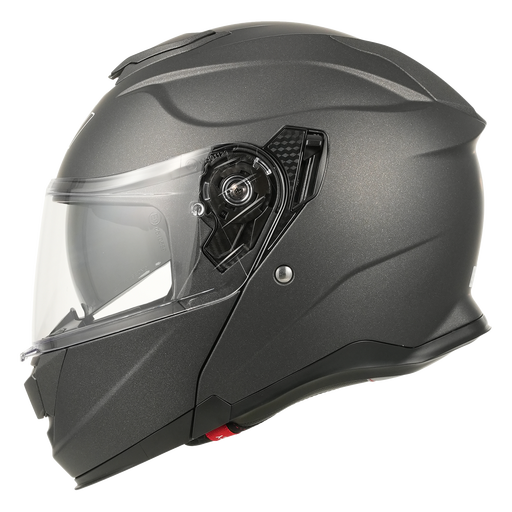
Why It Stands Out: This helmet combines the convenience of a modular design with the assurance of the latest safety certification. Its versatility makes it a superb all-rounder for different types of riding.
Pros:
Who is it for? This is an excellent choice for the long-distance tourer, daily commuter or any rider who values the practicality of being able to flip up the chin bar without compromising on modern safety standards.
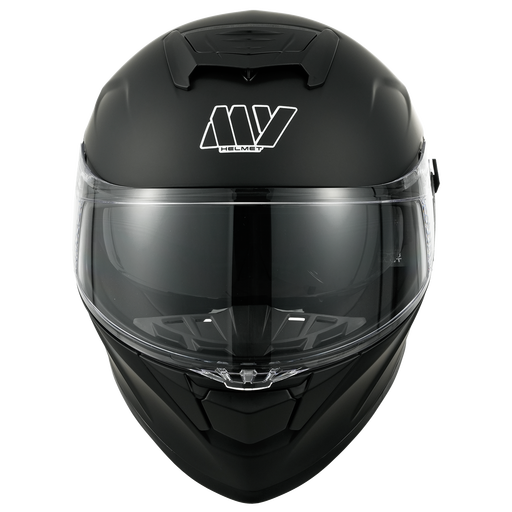
Why It Stands Out: The MY-936 offers classic full-face protection in a sleek, modern package. The popular matte black motorcycle helmet finish and essential features make it a solid, no-fuss option for a wide range of riders.
Pros:
Who is it for? Ideal for riders who prefer the uncompromising structural integrity of a full face motorbike helmet. It's a great fit for daily riding, weekend trips and anyone seeking a reliable, feature-rich helmet.
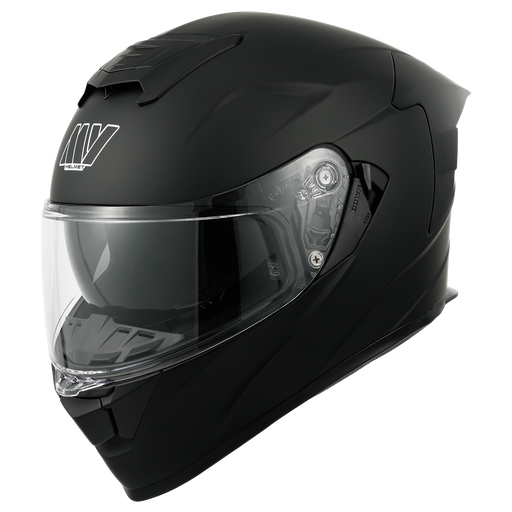
Why It Stands Out: This helmet provides all the same protective and comfort features as the model above but is highlighted here to show the availability of a broad size range. Finding a comfortable and certified helmet in larger sizes can be a challenge and this model delivers.
Pros:
Who is it for? This is the perfect solution for riders who require a larger size (up to XXL) but do not want to compromise on safety, features or style. It offers the same great value and protection as its smaller counterparts.
These recommendations cover some of the most popular styles and features, but every rider's needs are unique. If you're looking for a different colour, an open-face design or other specific features, there are many more options to consider.
Explore our full collection to find the motorcycle helmet that is the perfect match for your ride and style.
Explore the Full Motorcycle Helmet Category on Joybuy
As of 2026, retailers must sell new helmets that meet the ECE 22.06 standard. However, it is still legal to wear a helmet with the older ECE 22.05 certification on UK roads. For any new purchase, choosing a 22.06-certified model is highly recommended as it ensures you are protected by the latest safety technology.
To find your size, use a flexible tape measure to measure the circumference of your head at its widest point—usually about 2cm above your eyebrows. Compare this measurement to the manufacturer's sizing chart. A new helmet should feel snug and firm, without any painful pressure points. It should not move or rotate on your head when you shake it.
For maximum protection, a modular helmet's chin bar should always be in the locked, downward position while riding. Some modular helmets are "dual-homologated" (marked with a P/J rating), meaning they are certified for use in both the full-face (P) and open-face (J) positions. Unless your helmet explicitly has this P/J rating, you should only ride with the chin bar fully closed and locked.