
24/7 Customer Support

Free returns

Same-day & Next-day Delivery

Quality Guaranteed

Unlock Your Welcome Offers: FREE Delivery | Up to 80% OFF | Free 30-day JoyPlus trial
Download the APP
By Joybuy Product Recommendation Officer
Buying an ECE 22.06 motorcycle helmet is not simply a matter of choosing a colour or selecting the most attractive price. UK riders need to consider approval markings, fit, helmet construction and whether the design suits daily commuting, touring or occasional leisure use.
A helmet can look well made online yet create problems after purchase. The following guide explains the main buying pitfalls and compares suitable options for different riding profiles.
Terms such as “full-face”, “impact-resistant” or “high-strength shell” describe design features, not necessarily legal approval. For road use in the UK, check that the helmet carries the correct ECE R22.06 approval marking and that the product information clearly identifies the applicable standard.
A built-in light, tinted visor or Bluetooth headset slot may be useful, but none replaces an approved helmet standard.
Helmet sizing is based on head circumference, not your usual hat or clothing size. Measuring incorrectly can result in a helmet that moves during riding, presses uncomfortably against the forehead or leaves excessive space around the cheeks.
Measure around the widest part of your head, approximately 2 cm above the eyebrows, then compare the result with the manufacturer’s size chart. The correct fit should feel snug without causing sharp pressure points.
A modular motorcycle helmet or flip-up motorcycle helmet can be convenient for urban stops, communication and touring. However, its additional hinge and moving chin-bar mechanism require careful operation. Riders who never need to lift the chin section may prefer the simpler layout of a full-face motorcycle helmet.
Likewise, a dual visor helmet can reduce the need to carry separate eye protection, but the internal sun visor must be fully retracted when visibility is reduced.
ECE 22.06 is the current European motorcycle helmet approval standard referenced by the products below. Look for clear certification information and inspect the physical approval label when the helmet arrives. Approval does not mean a helmet can protect against every type of collision, so correct fit, fastening and replacement after an impact remain essential.
The listed adult models use an ABS motorcycle helmet shell with a high-density EPS cushioning layer. ABS is a commonly used hard shell material, while EPS is designed to manage impact energy within the helmet. Product descriptions should identify both elements rather than relying on vague phrases such as “protective material”.
For UK commuting and touring, practical details can make regular use easier:
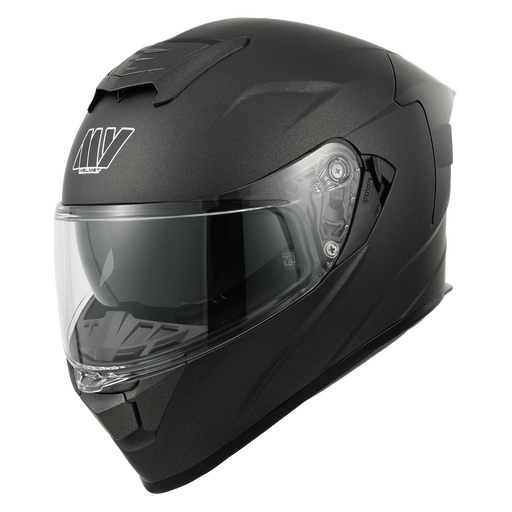
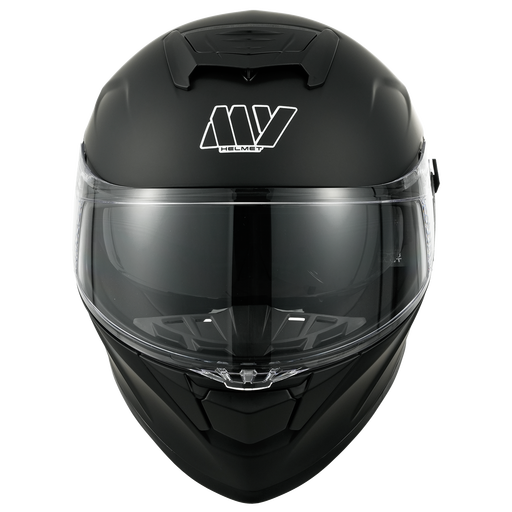
Why This Fits Their Persona: A straightforward full-face layout suits new riders who want one helmet for commuting, scooter trips and general road riding, without the additional flip-up mechanism.
The listing identifies ECE R22.06 approval, an ABS shell and EPS cushioning rather than relying only on general protective wording.
ECE 22.06 specification; integrated inner sun visor; removable and washable lining.
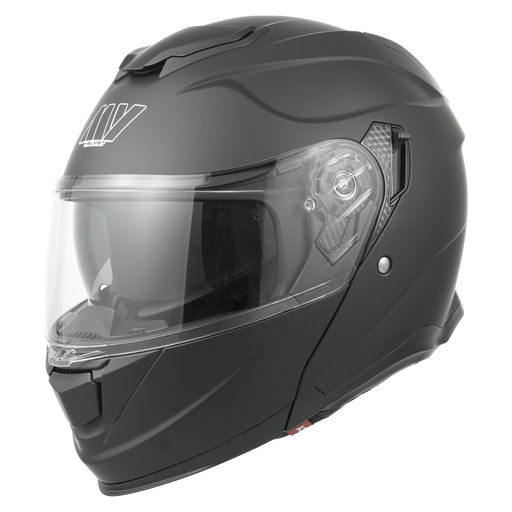
Why This Fits Their Persona: Touring riders and regular commuters may value the convenience of a flip-up format, particularly when stopping for directions, documents or short breaks.
The specification states ECE R22.06, a washable liner and a buckle closure. The chin section should be clicked back into its locked position before riding.
Flip-up design; integrated sun visor; ABS shell and high-density EPS liner.
Why This Fits Their Persona: Riders covering longer distances or using a motorcycle for work may appreciate the dual visor arrangement and reserved space for an intercom headset.
The product details specify ECE R22.06 approval, size ranges from XS to XXL and a Bluetooth headset slot under both chin pads.
Dual visor design; reserved intercom headset space; ABS shell with EPS cushioning.
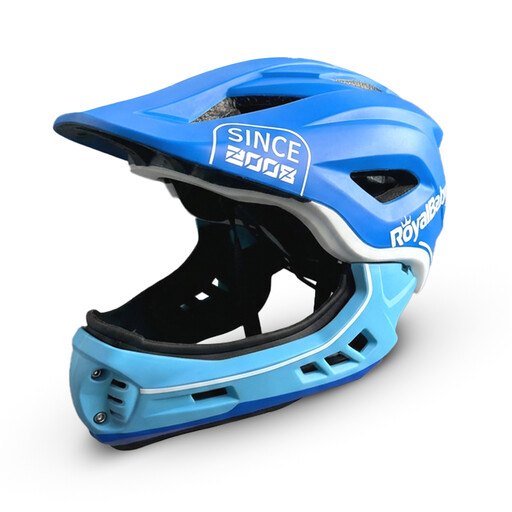
Why This Fits Their Persona: This convertible multi-sport helmet is designed for children aged 5–13 using scooters, balance bikes, BMX or similar leisure equipment, rather than as an ECE 22.06 motorcycle helmet.
The listing clearly describes its intended activities, adjustable 20–23-inch fit and detachable chin bar, so it should not be confused with an adult road-legal motorcycle helmet.
Convertible full-face and half-helmet modes; removable washable liner; built-in visibility light.
We have compiled a complete, real-time list of products that fully satisfy these strict selection criteria and UK safety regulations.
Before riding, check that the helmet does not rotate when you move your head and that the chin strap remains secure. Do not add unapproved modifications, drill the shell or obstruct the visor mechanism.
Clean the shell and visor with a damp, soft cloth. If the lining is removable, wash it according to the care instructions and allow it to dry completely before refitting. Replace a helmet after any crash or significant impact, even when visible damage is absent. Also inspect the shell, visor, buckle and EPS area regularly for cracks, looseness or deterioration.
An ECE 22.06 helmet is designed for motorcycle use and is a practical choice for UK commuting when correctly sized, fastened and maintained. Choose between a full-face and modular design according to how often you need the chin section to open.
There is no single replacement interval that applies to every helmet. Follow the manufacturer’s guidance and replace it sooner if it has suffered an impact, shows damage or the interior has deteriorated enough to affect fit. Regular cleaning can support hygiene, but it does not restore impact protection.
Some models include a reserved Bluetooth headset slot. The MY 935 listings identify space beneath both chin pads, but headset dimensions and installation methods vary. Check the device measurements and ensure installation does not interfere with the strap, visor, EPS liner or chin-bar movement.