Choosing the right bin bag might seem like a small decision, but it's a daily action that can contribute to a more sustainable household. However, the world of eco friendly bin bags can be confusing. With terms like compostable, biodegradable and recycled, it’s often difficult to know which option truly aligns with your environmental goals and practical needs.
As a Joybuy Product Recommendation Officer, my role is to help you navigate these choices. This guide will clarify the differences between the main types of sustainable bin liners available in the UK and provide practical advice to help you select the right product for your home or business.
A Practical Guide to Choosing Sustainable Bin Liners
Before looking at specific products, understanding the terminology is key. Your choice will depend on your local council's waste collection services and your primary environmental objective.
1. Understanding the Terminology: Compostable, Degradable and Recycled
- Compostable Bin Liners: These are typically plant-based bin bags, often made from materials like corn starch. To be sold as 'compostable' in the UK, they must meet specific standards (like EN 13432), which means they are designed to break down into water, biomass and CO2 in an industrial composting facility. They are the required choice for most council food waste caddies.
- Degradable Bin Bags: This category includes products like oxo-biodegradable bags. These are designed to break down much faster than conventional plastics when exposed to oxygen, heat and light. They fragment into smaller pieces and are then consumed by microorganisms. This option aims to reduce the persistence of plastic litter in the environment.
- Recycled Bin Bags: These bags are made from a percentage of post-consumer recycled plastic. Their main environmental benefit is reducing the demand for virgin plastic production, which saves energy and resources. They are a practical choice for general waste and support a circular economy.
2. Matching the Bag to the Bin: Size and Strength
Consider what you'll be using the bags for. A small caddy for food scraps requires different specifications than a large wheelie bin for general household waste.
- Capacity: Measured in litres, this should match your bin. Common sizes range from small 10L kitchen bin liners to large bin bags of 70L, 110L, or more.
- Strength: For general or mixed waste, look for heavy duty bin bags that can handle weight and sharp objects without splitting.
- Features: Conveniences like drawstring bin bags make tying and carrying full sacks much easier and more hygienic.
Our Top Recommendations for Eco Friendly Bin Bags in 2026
Here are a few carefully selected options that cater to different household needs and approaches to sustainable waste disposal.
Seep 30L Medium Bin Liners Compostable
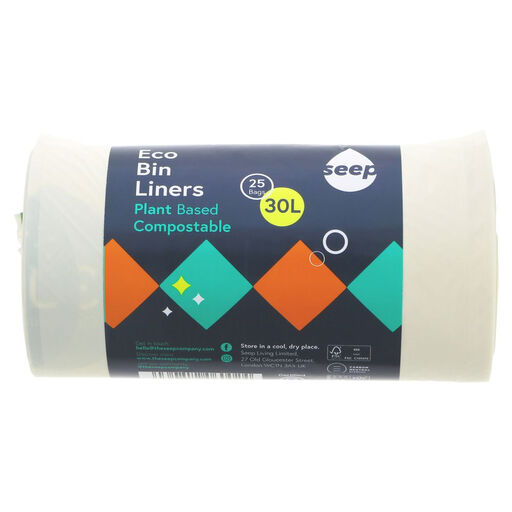
- Why It Stands Out: These liners are certified 100% compostable and are made from plant-based materials, primarily corn starch. They are specifically designed to be used with local authority food waste collection schemes that use industrial composting.
- Pros:
- Certified for industrial composting.
- Made from renewable, plant-based resources.
- Strong construction designed to handle kitchen food waste.
- Who is it for: Households actively participating in a council food waste collection programme. They are ideal for lining your kitchen caddy, turning food scraps into a valuable resource.
D2W Refuse Sack Drawtape 70L 100% Degradable
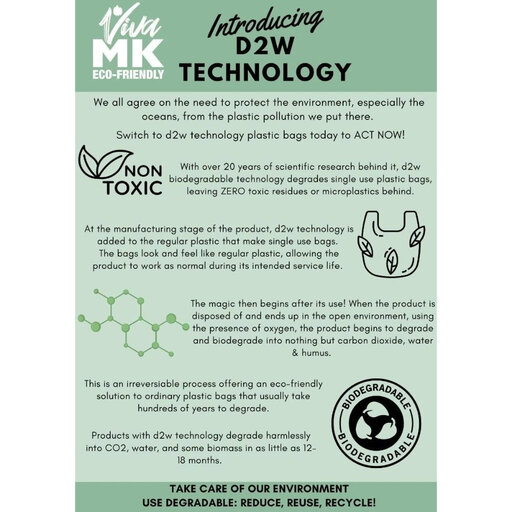
- Why It Stands Out: These sacks utilise d2w oxo-biodegradable technology, which is engineered to accelerate the degradation process once the bag is disposed of. They offer a practical solution for managing general waste with a reduced environmental persistence compared to conventional plastics.
- Pros:
- Large 70L capacity suitable for general household bins.
- Heavy duty and reliable construction.
- Convenient drawstring bin bags for easy closure and transport.
- Who is it for: Families and individuals looking for a durable, large-capacity refuse sack for general waste who want an alternative to traditional plastic.
Ecoleaf by Suma 110L Refuse Sacks
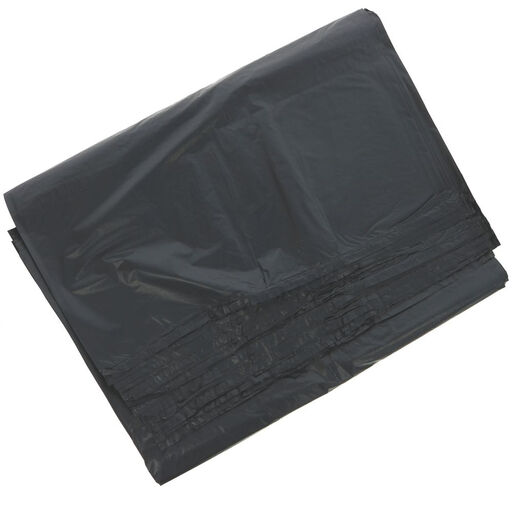
- Why It Stands Out: These refuse sacks are made with 50% post-consumer recycled plastic. By using recycled materials, they help reduce the consumption of virgin resources and support the circular economy. Their extra-large size makes them highly practical for substantial waste needs.
- Pros:
- Extra-large 110L capacity for bulk waste.
- Made from recycled bin bags material, reducing reliance on new plastic.
- Durable high-density polyethylene (HDPE) material resists tears.
- Who is it for: Large households, offices, or for commercial use where reducing the consumption of new plastic is a key priority. Ideal for wheelie bins and managing large volumes of waste.
Looking for More Options?
If the products above don't quite fit your requirements, or if you're searching for different sizes or types of liners, there are many other choices available.
️ Explore our full range of Eco-Friendly Bin Bags on Joybuy.co.uk
Frequently Asked Questions
Here are answers to a few common questions about eco friendly bin bags.
1. Can I put any eco-friendly bag in my food waste bin?
No. You should only use liners that are certified as 'compostable' and often display the 'seedling' logo. Your local council's website will provide specific guidance, but generally, only certified compostable bin liners are accepted in food waste collection schemes as they are designed to break down completely in industrial composters.
2. Are compostable bags better than biodegradable bags?
They serve different purposes. Compostable bags are designed for a circular system, breaking down into nutrient-rich compost under specific conditions. The term 'biodegradable' is broader; while these bags are designed to break down faster than conventional plastic, the conditions and end-products can vary. For food waste, compostable is the required standard. For general waste, a degradable or recycled bag can be a considered choice.
3. Is using recycled bin bags an effective sustainable choice?
Yes. Recycled bin bags play an important role in the circular economy. By creating a market for used plastic, they help divert waste from landfills and reduce the energy and raw materials needed to produce new, virgin plastic. It's a practical and effective way to lower the environmental footprint of your general waste disposal.


