
24/7 Customer Support

Free returns

Same-day & Next-day Delivery

Quality Guaranteed

Unlock Your Welcome Offers: FREE Delivery | Up to 80% OFF | Free 30-day JoyPlus trial
Download the APP
Making sustainable choices at home can feel like a complex task, especially when it comes to everyday essentials like bin bags. You want a bag that’s strong enough to handle your household waste without splitting, but you also want to minimise your environmental impact. With terms like compostable, degradable and recycled often used interchangeably, it can be difficult to know which option truly aligns with your goals.
As a Joybuy Product Recommendation Officer, my role is to help you navigate these choices. This guide cuts through the marketing clutter to provide clear, practical advice on selecting the right eco-friendly bin bags for your needs, whether you're managing kitchen scraps or dealing with large volumes of general waste.
Before looking at specific products, understanding a few key factors will help you make a more informed decision.
Not all "eco" bags are created equal. The material they are made from and how they break down determines their ideal use.
Consider both the size of your bin and the type of waste you're disposing of.
Waste collection rules vary significantly across the UK. Before purchasing compostable bin liners, check your local council’s website to confirm they accept them in their food or garden waste collections. Some councils require specific types of liners, while others prefer none at all.
Here are a few standout options that cater to different household needs, from managing food waste to handling heavy-duty rubbish.
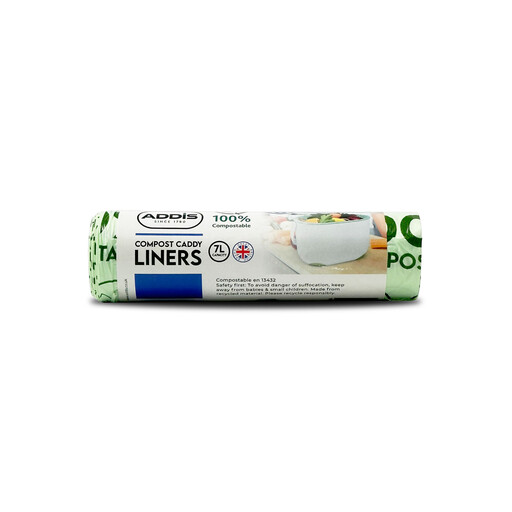
Why It Stands Out: These liners are specifically designed for managing food waste. Made from corn starch, they are fully compostable, allowing you to dispose of your food scraps and the liner itself directly into a suitable compost system. This makes the process of separating food waste cleaner and more convenient.
Pros:
Who is it for? Environmentally-conscious households that actively separate food waste for home composting or council collection.
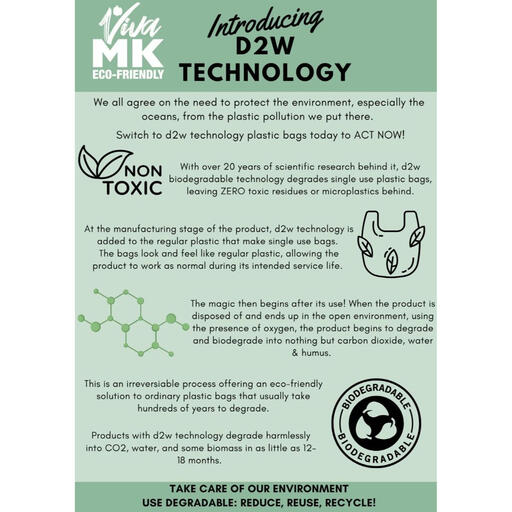
Why It Stands Out: These sacks offer a solution for general waste with an end-of-life feature. They use d2w oxo-biodegradable technology, which is designed to make the plastic degrade when its useful life is over and it is exposed to oxygen. This provides an alternative to conventional plastic bags for your main rubbish bin.
Pros:
Who is it for? Homes and offices looking for large, strong refuse sacks for general waste, with a feature intended to reduce long-term plastic accumulation.

Why It Stands Out: This product combines strength, convenience and sustainability. Made from 100% recycled plastic, these heavy-duty refuse sacks are designed to be tear and puncture-resistant. The integrated drawstring makes sealing and carrying heavy loads simple and secure.
Pros:
Who is it for? Busy households, or those undertaking DIY or garden clean-ups, who need a reliable, large and strong bag and prioritise using recycled materials.
Our recommendations cover some of the most common needs, but every home is different. If you're looking for a different size, material or feature, we have a wider selection available.
Explore our full bin liner category to find the perfect fit for your waste management routine.
1. What is the main difference between degradable and compostable bin bags? Compostable bags are made from organic materials (like corn starch) and are designed to break down into nutrient-rich compost under specific conditions. Degradable bags are typically oil-based plastic with additives that cause them to break down into smaller plastic fragments. They are not suitable for composting.
2. Can I put compostable bin liners in my regular rubbish bin? While you physically can, it largely defeats their environmental purpose. Compostable bags need oxygen and microorganisms to break down properly. In a landfill, they are often deprived of oxygen and may not decompose as intended. They are best used for food waste that is sent for composting.
3. Are recycled bin bags a good environmental choice? Yes, using recycled bin bags is a positive step. They are made from plastic that has already been used, which reduces the amount of new plastic that needs to be created. This helps conserve resources, saves energy and diverts waste from landfills, making them an excellent choice for general household rubbish.