
24/7 Customer Support

Free returns

Same-day & Next-day Delivery

Quality Guaranteed

Unlock Your Welcome Offers: FREE Delivery | Up to 80% OFF | Free 30-day JoyPlus trial
Download the APP
Making more environmentally conscious choices at home is a goal for many of us, and it often starts with the everyday items we use and discard. One of the most significant sources of household plastic waste is the humble bin bag. However, navigating the world of eco-friendly bin liners can be confusing, with terms like compostable, biodegradable and degradable often used interchangeably.
This guide is designed to cut through the marketing jargon. As the Joybuy Product Recommendation Officer, my role is to provide clear, practical advice to help you understand the differences and choose the right sustainable option for your waste disposal needs.
Before picking a product, it helps to understand what you're buying. Here are a few key points to consider.
The effectiveness of an eco-friendly bag depends heavily on how you dispose of it.
Consider the practical aspects of size and strength to avoid messy spills.
Based on their materials, features and intended use, here are some standout options available on Joybuy.
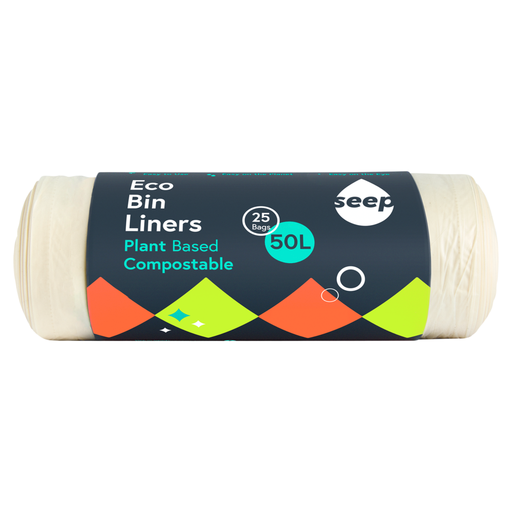
Why It Stands Out These liners from Seep are a leading choice for anyone with access to a food waste collection scheme. They are certified 100% compostable for industrial facilities and are made from plant-based materials like corn starch. This means they are designed to break down completely, turning your food scraps back into nutrient-rich compost and closing the loop on organic waste.
Pros
Who is it for? Households that actively use their local council's food waste collection service. They are ideal for the environmentally-conscious consumer who wants to ensure their organic waste is processed sustainably. Note that these are intended for industrial composting and are not suitable for home compost bins.

Why It Stands Out These D2W liners offer a different approach to waste management. They incorporate d2w oxo-biodegradable technology, which is designed to accelerate the degradation process of the plastic when exposed to oxygen. The convenient drawtape also makes tying and carrying the bag a cleaner, more secure experience.
Pros
Who is it for? These are a practical choice for general household waste in a standard kitchen bin. They suit users looking for a conventional bin liner feel and function but with an added feature designed to reduce the long-term persistence of plastic in the environment.
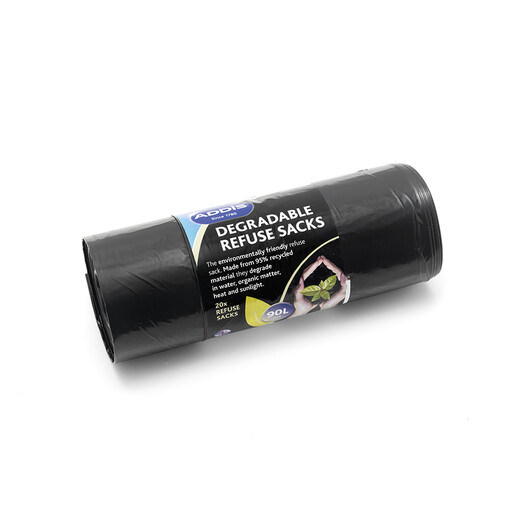
Why It Stands Out The Addis refuse sacks combine two key environmental benefits: they are made from 95% recycled material and are also described as degradable. The large capacity and strong build make them a versatile workhorse for bigger jobs, from garden clear-ups to office waste, while prioritising the reuse of existing plastic.
Pros
Who is it for? Ideal for busy households, small businesses or anyone needing heavy-duty bin bags for large amounts of general waste. This is an excellent choice for those who prioritise a circular economy and want a large-capacity liner made from recycled bin bags.
Our recommendations cover some of the most common needs, but the world of sustainable waste management is broad. If you're looking for different sizes, materials or features, we have a wider selection available.
Explore our full range of degradable bin bags to find the perfect fit for your home or business.
Are compostable and biodegradable bin bags the same thing? No, they are not. Compostable bin liners are certified to break down into non-toxic, organic components in specific composting conditions. The term "biodegradable" is broader and less regulated; it simply means the item will break down over time, but it doesn't specify the conditions, timeframe or what it breaks down into. For a truly circular solution for food waste, look for "compostable" certification.
Can I put compostable bin liners in my home compost bin? You should only do this if the packaging explicitly states it is certified for "Home Composting." Most compostable bin liners, like the Seep bags mentioned, are designed for the high temperatures of industrial composting facilities used by local councils. Without that heat, they will not break down effectively in a typical garden compost heap.
Are recycled bin bags a good eco-friendly choice? Yes, they are a very practical and positive choice. By using plastic that has already been produced, recycled bin bags reduce the amount of new plastic entering the market, which in turn lowers the demand for the fossil fuels used to create it. It's an effective way to participate in a circular economy for general waste that cannot be composted.