
24/7 Customer Support

Free returns

Same-day & Next-day Delivery

Quality Guaranteed

Unlock Your Welcome Offers: FREE Delivery | Up to 80% OFF | Free 30-day JoyPlus trial
Download the APP
As a cat owner in the UK, you’re likely looking for products that are not only effective but also align with a more sustainable lifestyle. The shift towards eco-friendly cat litter is a positive one, but the market is filled with options that can be confusing. Choosing the wrong one can lead to a messy home, an unhappy cat and a purchase that isn't as green as it claims to be.
My role as a Joybuy Product Recommendation Officer is to help you navigate these choices. Before you buy, let's look at some common pitfalls that many shoppers encounter.
To avoid these issues and find a sustainable cat litter UK households can rely on, focus on these core parameters.
The material is the foundation of any eco-friendly cat litter. Understanding the differences will help you match a product to your needs.
This is a crucial decision that affects your daily cleaning routine.
A low dust cat litter is better for the respiratory health of both you and your cat. Dust can trigger allergies and asthma and it also creates more mess around the house. Materials like recycled paper or technologically refined wood fibres tend to be less dusty than clay or silica. The texture is also vital for your cat's acceptance; softer granules are generally preferred over large, hard pellets, especially for kittens or sensitive cats.
To help you find a starting point, here are a few options matched to different household needs and preferences.
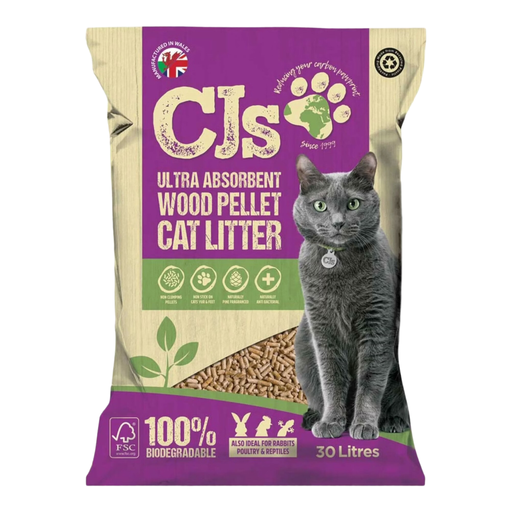
Why This Fits Their Persona: This large 30L bag offers great value for money, making it ideal for multi-cat households or anyone looking to stock up. It's a straightforward, no-fuss solution that prioritises natural materials and effective odour control without a premium price tag.
It avoids the performance mismatch by using highly absorbent virgin softwood pellets that effectively manage moisture and have natural antibacterial properties for odour control. Its non-clumping nature sets clear expectations for cleaning.
Made from 100% virgin softwood with a natural pine scent. It is fully biodegradable, offering an eco-conscious disposal route via household waste.

Why This Fits Their Persona: For those who want the convenience of clumping without compromising on eco-credentials. This litter uses advanced technology to deliver high-end performance, making it perfect for flat dwellers where odour control is non-negotiable.
It directly counters the performance mismatch trap by using technologically refined active wood fibres that offer exceptional absorbency and odour binding. The soft texture is also more readily accepted by cats used to finer litters.
Made from PEFC-certified secondary wood materials, so no trees are felled for its production. It is lightweight, low-dust and forms firm clumps for easy scooping.
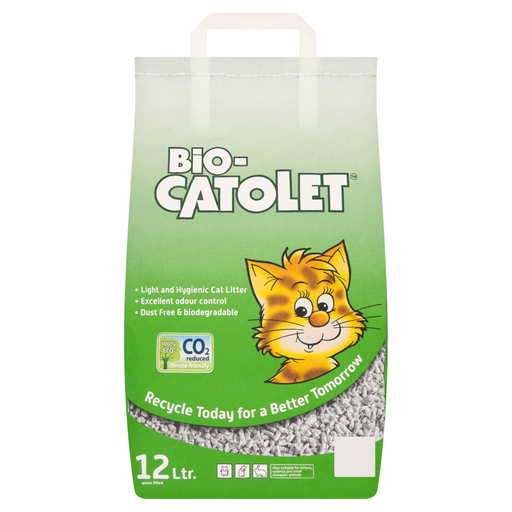
Why This Fits Their Persona: This is an excellent choice for households with kittens, senior cats or pets (and owners) with respiratory sensitivities. Its lightweight and dust-free nature makes it clean and easy to handle, prioritising health and hygiene above all.
It avoids the cat rejection trap with its soft, lightweight paper pellets that don't stick to paws. Being described as "dust-free" directly addresses the performance concern of airborne particles common in other litters.
Made from recycled pre-consumer paper, making it very lightweight and eco-friendly. It offers high absorbency and is suitable for a range of small animals, not just cats.
We have compiled a complete, real-time list of products that fully satisfy these strict selection criteria and UK safety regulations.
The key is to make the transition gradual to avoid rejection. Start by mixing a small amount of the new natural cat litter (about 25%) with their current litter. Over the course of one to two weeks, gradually increase the proportion of the new litter until the old litter is completely phased out. This allows your cat to get used to the new scent and texture.
As a general rule, no. Even if a product is labelled "flushable," it is not recommended in the UK. Cat waste can contain the Toxoplasma gondii parasite, which may not be eliminated by standard water treatment processes. Furthermore, flushing litter can contribute to blockages in your plumbing and the wider sewage system. The safest disposal method is to bag the waste and place it in your general household rubbish.
Neither is inherently "better"; they just suit different needs. Wood pellet cat litter often provides a natural pine scent which helps with odour control, and it's very absorbent. However, the hard pellets can be uncomfortable for some cats. Paper cat litter is typically softer, lighter and virtually dust-free, making it ideal for sensitive cats, but it may not have the same natural deodorising properties as pine. The right choice depends on your priorities for odour control, dust and your cat's personal preference.